In celebration of Saudi National Day discount 15% use code Watan

















Blog


How to relieve tailbone pain while sitting is mainly about reducing direct pressure on the coccyx and correcting your sitting posture. The most effective approach is to use a coccyx cushion to offload weight, keep your spine neutral, and place your feet flat on the floor. A slight forward pelvic tilt helps shift pressure to the sits bones instead of the tailbone. Regular movement breaks and proper ergonomic setup further reduce inflammation and discomfort during long sitting periods.
What Is Tailbone Pain and Why Does Sitting Make It Worse?
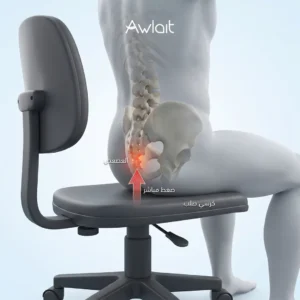
Tailbone pain, medically known as coccydynia, is more than just a minor discomfort; it is a localized inflammatory response in the bony structure at the bottom of your vertebral column. While standing, your weight is distributed across your feet and pelvis. However, when you sit, the dynamics change fundamentally, turning your coccyx into a primary weight-bearing anchor.
Sitting Biomechanics — The Pressure Multiplier
The human anatomy is not naturally designed for the prolonged static loading found in modern desk jobs. Biomechanical data indicates that sitting increases the load on the coccyx by 3 to 5 times compared to standing. This “pressure multiplier” effect is exacerbated by the surface density of your chair.
On a hard surface, the contact pressure can reach levels exceeding 100 mmHg. This far surpasses the capillary closing pressure, leading to localized ischemia (reduced blood flow) and heightened sensitivity in the sacrococcygeal ligaments. When you understand how to relieve tailbone pain while sitting, you realize that the goal is to shift this load from the coccyx to the ischial tuberosities—the “sits bones.”
Most Common Causes — From Falls to Desk Jobs
Identifying the root cause is essential for selecting the correct treatment path. Coccydynia typically falls into one of these categories:
- Trauma: A direct fall onto the buttocks or a repetitive strain injury.
- Childbirth: The ligaments around the coccyx can become overstretched or injured during delivery.
- Prolonged Sitting: Constant pressure from “desk bound” lifestyles leads to chronic inflammation.
- Obesity or Hypermobility: Excess weight increases the downward force, while excessive joint mobility leads to instability.
| Sitting Position | Pressure Distribution | Effect on Coccyx |
| Slumped Back | High Posterior Load | Maximum Irritation |
| Upright (90°) | Balanced Load | Moderate Stress |
| Anterior Tilt (Forward) | Ischial Load | Minimum Stress/Relief |
How to Relieve Tailbone Pain While Sitting
Effective relief requires a combination of ergonomic tools and behavioral changes. Following these eight evidence-based methods will provide immediate and long-term reduction in seated discomfort.
Use a Coccyx Cushion (Pressure Offloading)
The single most effective tool for immediate relief is a high-quality coccyx cushion. Unlike standard pillows, a dedicated coccyx support features a strategic U-shaped or V-shaped cutout at the rear. This design ensures that the tailbone “floats” in open space rather than compressing against the seat.
When choosing a cushion, foam density is critical. A 50D memory foam is considered the gold standard; it provides enough support to prevent the cushion from “bottoming out” under your weight. Generic cushions often collapse, rendering the cutout useless. For those seeking professional-grade support, the Awlait coccyx cushion is engineered specifically to maximize this pressure differential.
Forward-Leaning Posture (10–15° Anterior Tilt)
Your posture dictates the vector of the pressure. By leaning slightly forward—approximately 10 to 15 degrees—you perform an anterior pelvic tilt. This movement shifts the weight forward onto the fleshy parts of your thighs and the ischial tuberosities. Combining this with a Back Support Cushion for lumbar reinforcement helps maintain the natural S-curve of the spine, preventing you from slouching back onto the sensitive coccyx area.
Ice/Heat Protocol + Movement Breaks
For acute pain (occurring after a recent fall), ice is your primary ally. Apply ice for 15 minutes, three times a day, for the first 48 hours to constrict blood vessels and reduce swelling. After the initial phase, switch to heat to relax the surrounding pelvic floor muscles.
Simultaneously, implement the “60-minute rule.” No matter how ergonomic your setup is, the body requires movement to flush inflammatory markers. Stand and walk for at least 2 minutes for every hour of sitting to reset the sacrococcygeal ligaments.
NSAIDs, Footrests, and Surface Selection
- NSAIDs: Over-the-counter anti-inflammatories can help manage pain spikes, but should not be a long-term solution.
- Footrests: Using a footrest helps maintain the 90-90-90 ergonomic angle, reducing the pull on the lower back.
- Seat Height: Ensure your hips are slightly higher than your knees to encourage a natural forward tilt.
- Surface Selection: Avoid soft, “sink-in” sofas which actually increase coccyx contact; opt for firm, supported surfaces. If you are a frequent commuter, adding Back Support for Car is vital to handle the vibrations and G-forces of driving.
Best Pillow to Relieve Tailbone Pain
When traditional seating becomes unbearable, selecting the right pillow to relieve tailbone pain is the most critical decision in your recovery journey. Many users mistakenly believe any soft cushion will work, but medical-grade relief requires specific engineering to achieve true “coccyx offloading.”
5 Technical Criteria for a Real Coccyx Cushion
To ensure you are getting a product that actually works, evaluate your choice based on these professional standards:
- Foam Density (50D): High-density memory foam is essential. Lower densities (30D-40D) feel soft initially but compress completely under body weight, leaving your tailbone in contact with the chair.
- U-Shaped Cutout: The cutout must be deep and wide enough to ensure the sacrococcygeal joint remains suspended.
- Ergonomic Contouring: Look for a “wedge” design that tilts the pelvis forward, naturally promoting an anterior tilt.
- Heat-Responsive Material: Quality foam should contour to your body shape without losing its structural integrity over a 10-hour workday.
- Non-Slip Base: Stability is key; if the cushion shifts, your tailbone will likely slide back into a high-pressure zone.
U-Shape vs. Donut vs. Wedge — Comparison Table
| Feature | U-Shaped (Awlait Style) | Donut Pillow | Standard Wedge |
| Primary Goal | Tailbone Suspension | Perineal Relief | Posture Correction |
| Pressure Mapping | Best for Coccydynia | High Edge Pressure | Moderate Relief |
| Recommended Use | Chronic Tailbone Pain | Hemorrhoids/Post-Op | General Back Pain |
| Stability | High | Low (Rocking motion) | High |
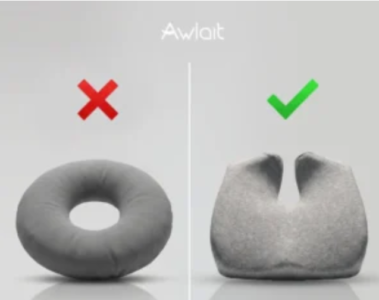
The Awlait coccyx cushion utilizes a reinforced U-shape design that is specifically optimized for those learning how to relieve tailbone pain while sitting, as it provides the highest percentage of pressure reduction compared to generic donut pillows.
Tailbone Pain Relief Exercises: 3 Targeted Stretches That Work
While physical support is external, improving your internal mobility is the second pillar of relief. The muscles surrounding the sacrum—specifically the piriformis and the pelvic floor—can become hypertonic (overly tight) due to pain guarding.
- Piriformis Stretch: While lying on your back, cross one ankle over the opposite knee and gently pull the bottom leg toward your chest. This releases the deep gluteal muscles that can pull on the coccyx.
- Pelvic Floor Release (Happy Baby): This yoga-inspired pose opens the pelvic outlet, reducing the tension on the ligaments attached to the tailbone.
- Knee-to-Chest: This simple movement stretches the lower lumbar spine and helps reset the sacrococcygeal angle.
Caution: When NOT to exercise. If you suspect a recent fracture from a fall, or if exercises cause sharp, radiating pain or numbness, stop immediately and consult a physician.
Coccyx Pain Treatment: Special Cases — Falls, Pregnancy, and Post-Partum
Not all tailbone pain is created equal. Understanding the context of your injury is vital to finding how to relieve tailbone pain while sitting effectively.
After a Fall — Rule Out Fracture First
If your pain started after a direct impact, medical imaging (X-ray or MRI) is necessary to rule out a fracture. If a fracture is present, sitting is generally contraindicated on any surface for 6–8 weeks. During this time, offloading must be 100% consistent using a specialized support.
Pregnancy and Post-Partum Coccydynia
During pregnancy, the body releases a hormone called Relaxin, which increases ligament laxity. This allows the coccyx to move more than usual, leading to inflammation. Post-partum, the mechanical stress of delivery can leave the tailbone displaced. For these cases, using a Multi Position Pillow for side-sleeping and seated support can stabilize the pelvis and provide much-needed relief.
Coccyx Pain Treatment When Home Remedies Aren’t Enough
For most individuals, conservative care resolves the issue. However, if your pain persists for more than six weeks despite using a special pillow for tailbone pain, a clinical escalation path is required.
Conservative → Medical Escalation Path
According to Cleveland Clinic data, 90% of cases resolve without surgery. The typical path includes:
- Physical Therapy: Specifically focusing on pelvic floor relaxation and manual mobilization.
- Corticosteroid Injections: To reduce severe, localized inflammation.
- Nerve Blocks: To interrupt the pain signals from the ganglion impar.
- Coccygectomy: The surgical removal of the tailbone, reserved only for the most extreme, chronic cases.
Red Flags — When to See a Doctor Immediately
Seek medical attention if you experience:
- Fever of 39°C or higher (indicates potential infection).
- Sudden changes in bowel or bladder control.
- Numbness in the “saddle” area (perineum).
Optimize Your Workstation to Prevent Tailbone Pain While Sitting
Prevention is the ultimate cure. If you spend 8+ hours a day at a desk, your workstation must be an ergonomic fortress. Learning how to relieve tailbone pain while sitting is useless if your chair height and desk depth are working against you.
- Chair Height: Adjust your seat so your knees are at or slightly below hip level. This ensures a 90–110° hip angle, which reduces the pull on the lower back.
- Seat Depth: There should be a 2–3 finger gap between the edge of the seat and the back of your knees (popliteal fossa).
- The Upper Spine Chain: Use a cervical pillow to maintain neck alignment, as poor head posture can lead to a “slump” that ultimately puts pressure on the coccyx.
- On the Road: For those with long commutes, a Back Support for Car is essential to maintain the lumbar curve while driving, preventing the “C-curve” slouch that irritates the tailbone.
Clinical Insight: Shifting pressure from the coccyx to the ischial bones is the core mechanism of recovery. When you sit on a standard chair, the tailbone acts as a tripod leg, bearing unnecessary weight. A professional-grade cutout cushion transforms your seating surface into a “bridge,” allowing the coccyx to remain in a zero-gravity state while the sturdy ischial tuberosities support your body mass.
Your 7-Day Tailbone Pain Relief Plan: Step-by-Step Recovery Timeline
Consistency is the differentiator between temporary relief and permanent recovery. Following a structured timeline allows the inflamed ligaments to settle while you retrain your seated posture.
| Phase | Focus Area | Actions & Tools |
| Day 1–2: Acute Phase | Inflammation Control | Use ice for 15 mins (3x/day). Avoid all hard surfaces. Start using the Awlait coccyx cushion for every seated activity. |
| Day 3–5: Mobilization | Muscle Relaxation | Switch to heat pads. Introduce gentle piriformis stretches and pelvic floor releases. Focus on a 10° anterior pelvic tilt. |
| Day 6–7: Optimization | Long-term Prevention | Audit your workstation ergonomics. Set a “movement timer” for every 60 minutes. Integrate Back Support for Car for commutes. |
While many cases show meaningful improvement within 2 to 6 weeks, adhering to this 7-day jumpstart sets the physiological foundation for the sacrococcygeal joint to heal without constant re-aggravation.
Anterior Pelvic Tilt: “Maintaining a slight forward tilt of the pelvis reduces coccyx irritation during any seated activity. By ensuring your hips are positioned slightly higher than your knees, you mechanically prevent the ‘sacral sitting’ posture that is responsible for most chronic coccydynia cases.”
Frequently Asked Questions About Tailbone Pain Relief
Navigating the recovery process often involves addressing specific concerns about causes and long-term solutions. Here are the evidence-based answers to the most common queries regarding how to relieve tailbone pain while sitting.
How do I stop my tailbone from hurting when I sit?
The most effective approach is a combination of immediate pressure offloading and postural correction. You must use a specialized coccyx cushion with a rear cutout to suspend the tailbone and adopt a forward-leaning posture to shift weight onto your sits bones.
What vitamin deficiency causes tailbone pain?
While coccydynia is primarily mechanical, deficiencies in Vitamin D3, Calcium, and Magnesium can lead to bone thinning (osteopenia) or muscle spasms that exacerbate the pain. Ensuring adequate levels of these nutrients supports bone density and ligament health.
How did I cured my tailbone pain?
Successful recovery narratives typically involve a three-pronged strategy: 1) 100% consistency in using a pressure-relief cushion, 2) daily pelvic floor stretching to release muscle guarding, and 3) ergonomic workstation adjustments to prevent the recurrence of inflammation.
What triggers tailbone pain?
Common triggers include prolonged sitting on hard or unsupportive surfaces, direct trauma from a fall, pregnancy-related ligament laxity, and poor posture (slouching) which forces the coccyx to bear weight it isn’t designed for.
Mastering how to relieve tailbone pain while sitting requires moving beyond temporary fixes and adopting a biomechanical approach to spinal health. By integrating a dedicated coccyx cushion into your daily routine, performing targeted stretches, and optimizing your ergonomics, you provide your body with the environment it needs to heal naturally.
Don’t let seated discomfort dictate your productivity or quality of life. Whether you are at the office, in the car, or at home, consistent pressure offloading is the key to a pain-free future.

Related posts
How to Ease Lower Back Pain

How to Ease Lower Back Pain: Safe Home Care, Exercises, and Warning Signs
The best way to ease lower back pain is usually to remain ge...

Herniated Disc Pain Relief
Herniated Disc Pain Relief
Herniated Disc Pain Relief starts with gentle activity, brief rest, supportive sitting and sleeping positio...
Best Recliner for Back Pain
Best Recliner for Back Pain: The Ultimate Ergonomic
Finding the best recliner for back pain requires selecting a seat built on ergono...
How to Choose a Recliner Chair
How to Choose a Recliner Chair: An Ergonomic & Buyer's Guide
Learning How to Choose a Recliner Chair comes down to evaluating your...
Recliner Chair Prices
Awlait recliner chair prices currently start from SAR 1,269 and can reach SAR 2,815, depending mainly on the selected reclining mechani...
How to Relieve Back Pain
Learning how to relieve back pain requires a structured, step-by-step approach. It begins with applying cold therapy to soothe lumbar m...
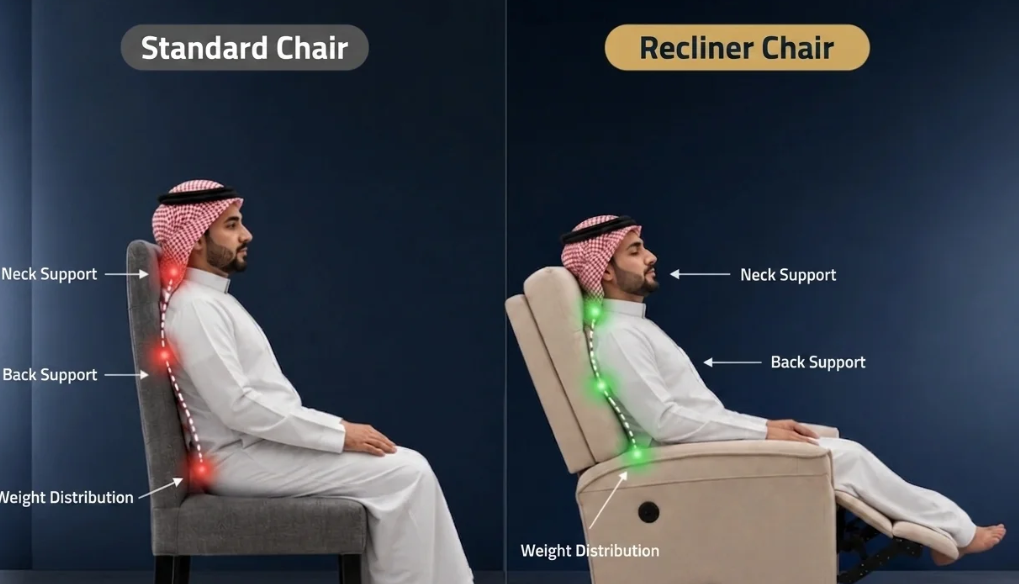
benefits of recliner chair
The benefits of recliner chair extend far beyond simple relaxation, offering comprehensive body support and relieving stress on joints ...
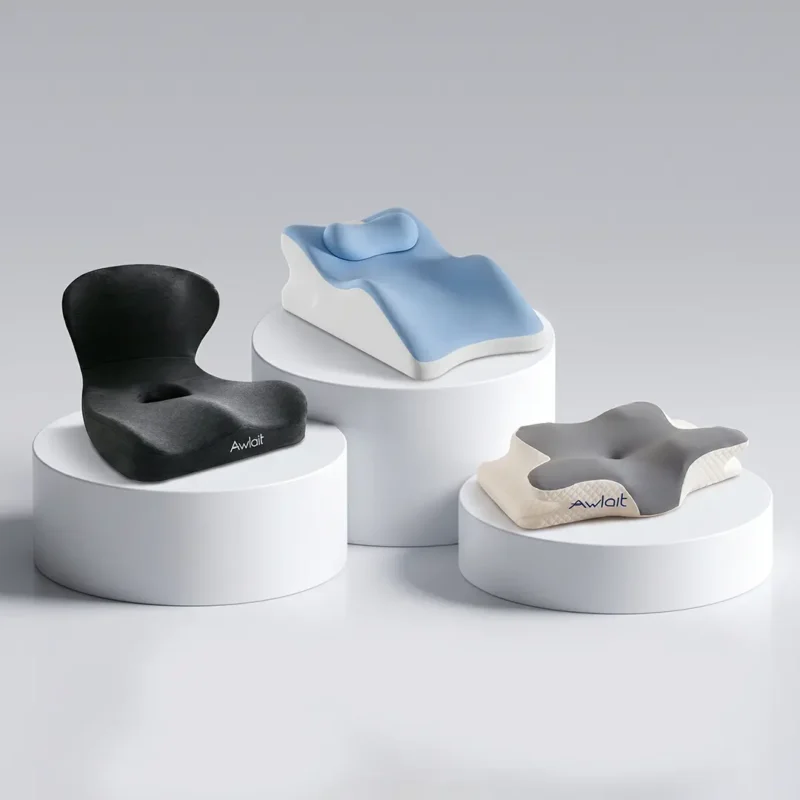
Best Memory Foam Pillows in 2026
The best memory foam pillows are engineered to provide superior cervical support by adapting to the unique contours of your head and ne...
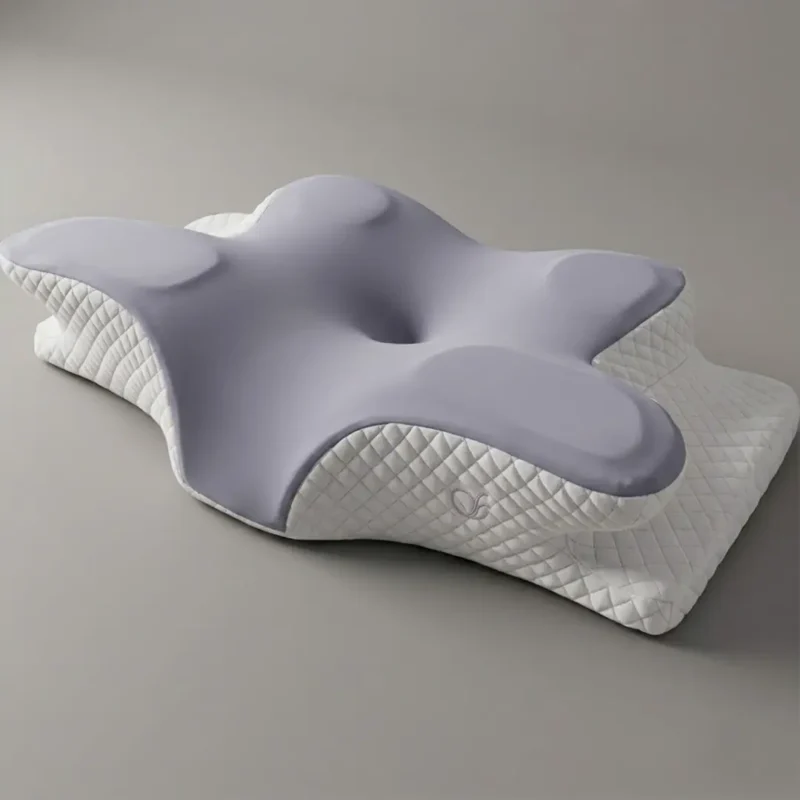
Best Type of Pillow for Neck Pain: Orthopedic Guide by Sleep Position
Finding the best type of pillow for neck pain requires matching your sleep position with the correct loft and material. A misaligned ce...
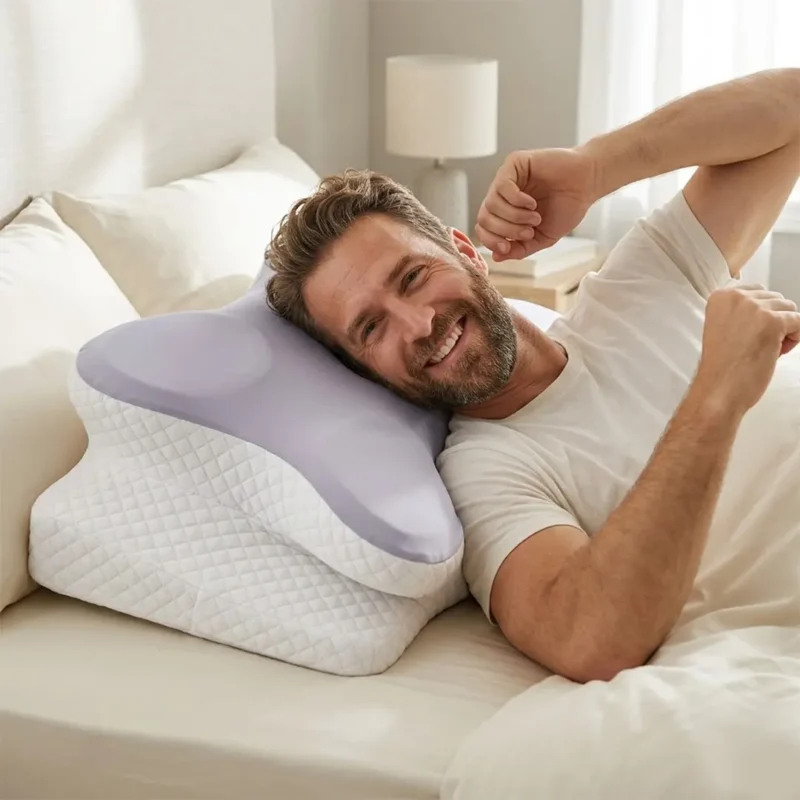
Best Pillow for Sleeping in 2026
Finding the best pillow for sleeping is essential for maintaining spinal health and ensuring restorative rest throughout the night. You...
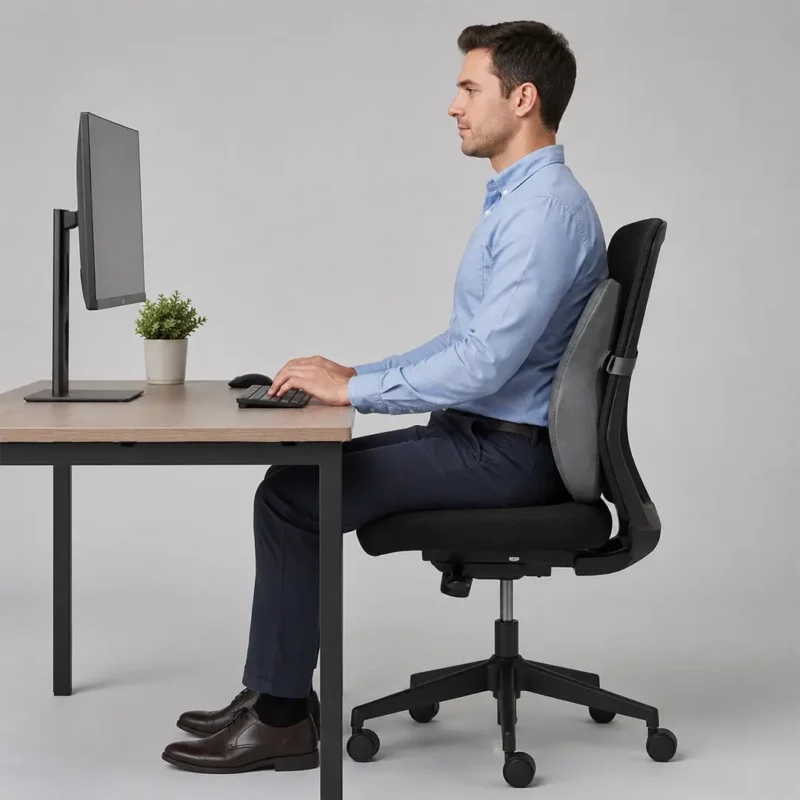
Correct Sitting Posture in Front of Computer
Maintaining correct sitting posture in front of computer screens is absolutely essential to prevent chronic musculoskeletal disorders a...
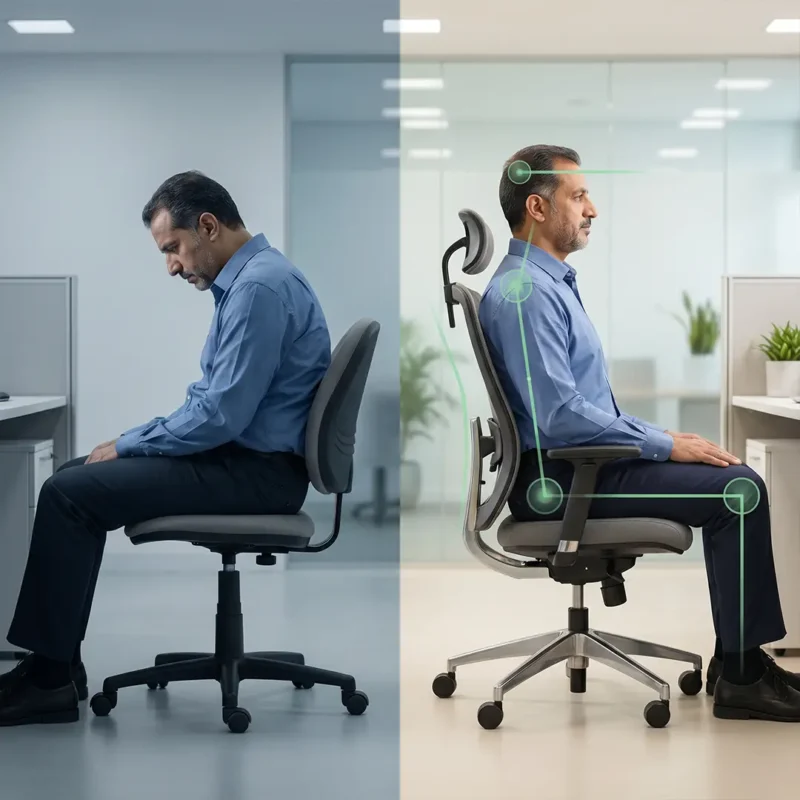
Proper Sitting Posture: How to Sit Correctly for Better Back Health
Proper sitting posture is the simplest way to reduce strain when you work, study, or relax for long hours. It means aligning your feet,...