In celebration of Saudi National Day discount 15% use code Watan























Blog

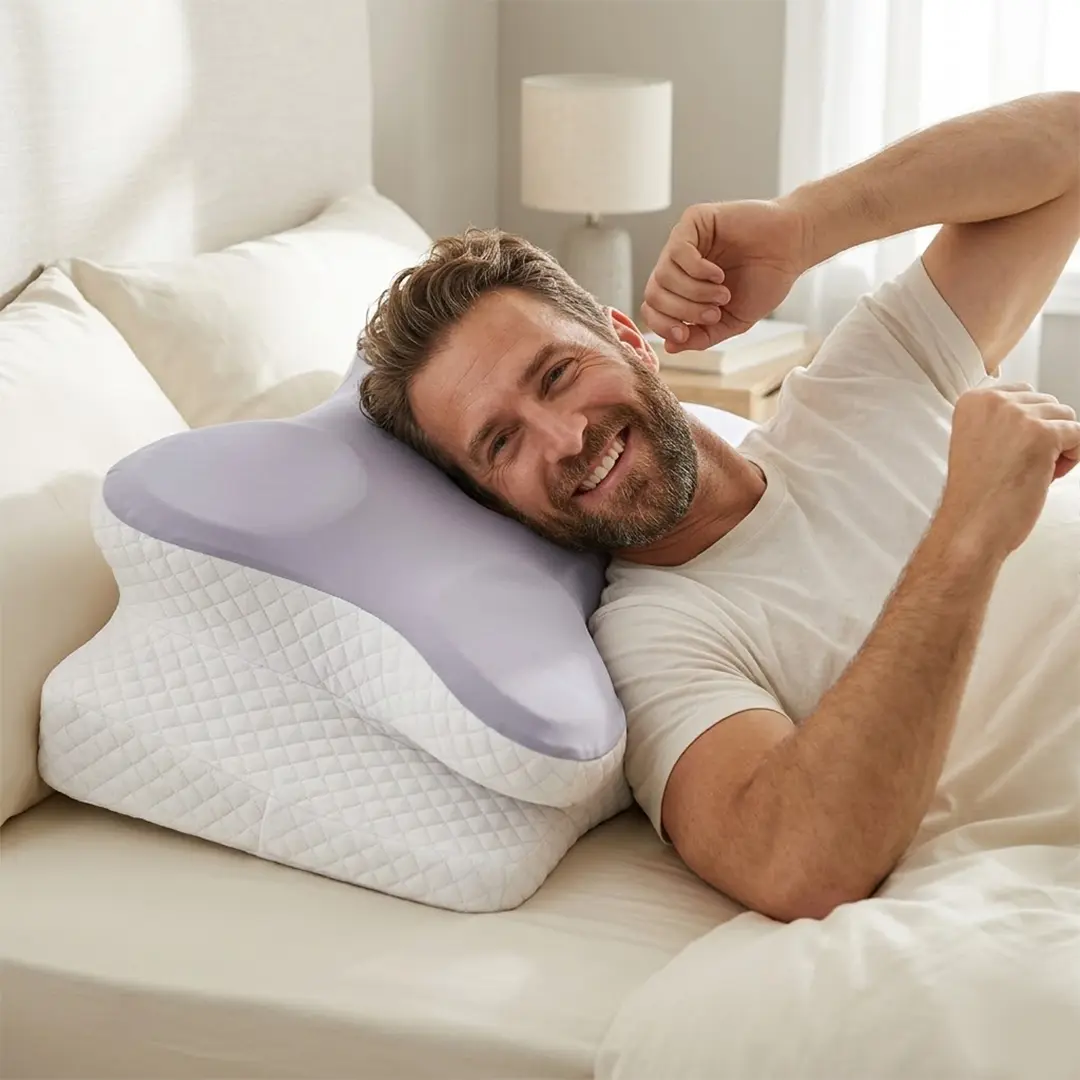
Finding the best pillow for sleeping is essential for maintaining spinal health and ensuring restorative rest throughout the night. Your choice dictates how well your cervical vertebrae align, preventing chronic neck pain and morning stiffness. While many prioritize mattresses, the pillow is the primary tool for upper-body support. By selecting the right material and loft based on your specific sleep position, you can transform your sleep quality. This guide explores how to identify the best pillow for sleeping in 2026.
Why Your Pillow Matters More Than Your Mattress for Sleep Quality
If you wake up with a stiff neck, your pillow—not your mattress—is the likely culprit. Scientific research indicates that pillow height directly controls cervical alignment. A wrong choice leads to 3–5× higher neck muscle activation during sleep, forcing the musculoskeletal system (Q11226) into a state of tension rather than recovery.
Essentially, Correct Posture -> Prevents -> Musculoskeletal disorders by ensuring the cervical vertebrae (Q109604) stay in a neutral position. Over time, a poor sleep setup creates a pain chain extending from the neck down to the lower back. This physiological stress is often the root cause of interrupted sleep cycles and chronic daytime fatigue.
Signs your current pillow is failing:
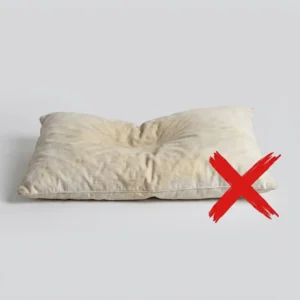
- Morning discomfort: Persistent neck or shoulder pain immediately upon waking.
- Frequent waking: Tossing and turning to “fluff” or adjust the pillow for support.
- Visible collapse: The material has lost more than 30% of its original height or loft.
Replacement cycles are non-negotiable for maintaining hygiene and support. Memory foam should be replaced every 3–5 years, whereas traditional hotel-style microfiber pillows often fail after 12–18 months. High-quality natural latex remains the most durable, typically lasting 5–8 years before losing its structural integrity.
Best Pillow for Sleeping by Sleep Position
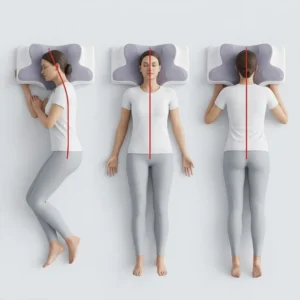
Identifying the best pillow for sleeping requires a mathematical approach to height and density. No single “universal” pillow exists because the physiological gap between the head and the mattress varies significantly. For the best results, you must match your pillow’s loft (height) to your dominant sleeping position to achieve a neutral spine.
Side Sleepers: The Highest Support Requirement
Side sleeping creates the largest gap between the ear and the mattress. To prevent lateral neck bending and shoulder impingement, a height of 10–13 cm is required. A medium-firm cervical pillow is optimized for this position, as it bridges the shoulder-to-neck gap without collapsing under the weight of the head.
Back Sleepers: Optimal for Spine Health
This position requires a moderate height of 7–10 cm to preserve natural cervical lordosis. The goal is to support the neck’s curve without pushing the head forward or allowing it to sink too deep. An orthopedic sleeping pillow with a contoured center is ideal for keeping the head centered and the airway open.
Stomach Sleepers: Protecting the Lumbar Spine
Stomach sleeping is the most stressful position for the spine. To avoid neck twisting and lumbar strain, sleepers need a very low profile (<7 cm) or a flat, soft surface. Using a Multi Position Pillow that allows for adjustable filling ensures you can achieve the necessary flatness to prevent hyperextension of the lower back.
| Sleep Position | Ideal Height (cm) | Recommended Material | Support Goal |
| Side | 10 – 13 cm | Memory Foam / Contour | Bridge shoulder gap |
| Back | 7 – 10 cm | Latex / Medium Foam | Support cervical curve |
| Stomach | < 7 cm | Microfiber / Adjustable | Minimize neck twist |
Best Pillow Types for Sleeping: Full Material Comparison
When selecting the best pillow for sleeping, the material’s molecular structure dictates how effectively it distributes pressure and regulates temperature. A high-quality pillow must provide consistent “structural integrity”—the ability to support weight without flattening throughout the night.
1. Medical/Orthopedic Pillow: The Gold Standard for Pain
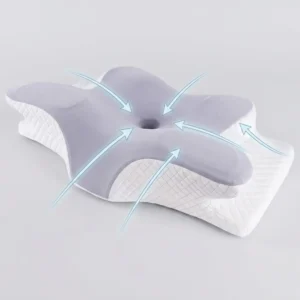
For those suffering from chronic stiffness, a medical pillow for sleeping is the primary solution. These are typically constructed from high-density Memory Foam (40D–50D), which uses body heat to contour precisely to the head and neck. Unlike generic foam, an orthopedic sleeping pillow by Awlait features a non-collapse warranty, ensuring that the material maintains its supportive shape for 3–5 years.
2. Luxury Hotel Pillows: Comfort vs. Clinical Support
Many travelers enjoy luxury hotel pillows for their immediate “cloud-like” softness. These are usually filled with Microfiber or Down-Alternative materials. While they offer high initial comfort, they lack the structural resistance needed for cervical alignment. They are ideal as comfortable sleeping pillows for healthy sleepers who prefer a plush feel and don’t mind replacing them every 12–18 months.
3. Latex Pillow: Durability and Hypoallergenic Support
Natural Latex pillows offer a “responsive bounce” that differs from the sinking feel of memory foam. They are naturally antimicrobial and provide superior airflow, making them the best pillow for sleeping for individuals who tend to sleep hot or suffer from dust mite allergies.
Best Pillow for Sleeping with Health Condition
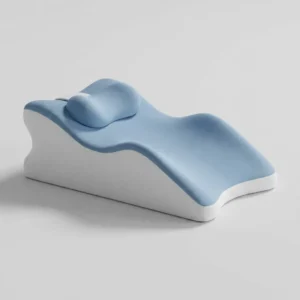
Standard pillows often fail to address specific anatomical needs. In 2026, the trend has shifted toward condition-specific engineering to provide targeted relief.
- Neck Pain & Cervical Disc Issues: A dual-height cervical pillow is mandatory here. By using the higher side to support the neck and the recessed center for the head, you preserve the natural cervical lordosis, reducing pressure on the discs.
- Scoliosis (Spinal Curvature): Side sleeping is generally preferred for scoliosis. The pillow must fill the shoulder-to-ear gap entirely to prevent lateral spinal stress. Always consult a physiotherapist (PT) for a custom height recommendation to ensure the spine remains as straight as possible.
- Psoriasis & Sensitive Skin: Skin conditions require a hypoallergenic cover. Using bamboo or organic cotton covers—featured on many Awlait products—ensures a breathable, antimicrobial surface that prevents flare-ups during the night.
- Snoring & Sleep Apnea: Elevating the head at a 30° angle helps keep the airway open. An adjustable Multi Position Pillow allows for the specific elevation needed to reduce snoring frequency and improve oxygen intake.
The Pillow–Posture Connection: Sleep Recovery vs. Daytime Tension
There is a direct “kinetic chain” between your sleep quality and your office performance. Poor sleep posture leads to micro-tears and tension in the neck muscles, which directly worsens your correct sitting posture in front of computer the following day.
The spine chain (cervical → thoracic → lumbar) is entirely linked. If the cervical vertebrae are strained at night, the lower back compensates during the day. Statistics show that office workers using the best pillow for sleeping—specifically an orthopedic model—report 35% less neck tension while at their desks. Investing in a cervical pillow isn’t just about sleep; it’s about daytime recovery and productivity.
“The best pillow for sleeping is never defined by how soft it feels in the showroom, but by its ability to keep your neck in a neutral position. If you wake up with morning neck pain, the issue is almost always a mismatch in pillow height (loft) rather than the material itself. A pillow that is only 2 cm too high or too low can increase cervical muscle activation by 300%.”
How to Choose the Best Pillow for Sleeping
To move beyond marketing claims and find a scientifically backed best pillow for sleeping, you must evaluate these five technical standards:
- Height (Loft): Must match your sleep position (10–13 cm for side, 7–10 cm for back).
- Foam Density: Look for a minimum of 40D for a medical pillow for sleeping to ensure long-term support.
- Shape: Choose a Contour design for pain relief or a Flat design for general comfort.
- Hygiene: A removable, washable cover is essential, especially for those with skin conditions or allergies.
- Warranty: A non-collapse warranty of at least 1–2 years (Awlait offers 2 years) is the mark of a quality orthopedic sleeping pillow.
Frequently Asked Questions About the Best Pillow for Sleeping
What type of pillow is the best for sleeping?
The most effective type is a Memory Foam Contour pillow. It provides the best balance of pressure distribution and cervical support, provided the height is selected based on your specific sleeping position.
What kind of pillow is best for scoliosis?
For scoliosis, a high-loft pillow that fully fills the shoulder gap during side sleeping is best. This prevents lateral spinal stress. We recommend a cervical pillow and consulting with a physiotherapist for height calibration.
What kind of pillow is best for psoriasis?
Individuals with psoriasis should use a pillow with a hypoallergenic, bamboo-derived cover. These materials are breathable and antimicrobial, reducing the risk of skin irritation and flare-ups compared to synthetic covers.
Which type of pillows are the best?
The “best” pillow depends on your unique anatomy. However, in terms of durability and support, high-density Memory Foam and Natural Latex are superior to traditional down or microfiber options.
Don’t let another night of poor alignment compromise your health and productivity. Choose the best pillow for sleeping based on your unique anatomy, and experience the profound difference that medical-grade support makes. Explore the Awlait collection today to find the perfect match for your sleep position and health needs.
Upgrade Your Sleep: Shop the Awlait Cervical Collection Now

Related posts

How to Ease Lower Back Pain

How to Ease Lower Back Pain: Safe Home Care, Exercises, and Warning Signs
The best way to ease lower back pain is usually to remain ge...

Herniated Disc Pain Relief
Herniated Disc Pain Relief
Herniated Disc Pain Relief starts with gentle activity, brief rest, supportive sitting and sleeping positio...
Best Recliner for Back Pain
Best Recliner for Back Pain: The Ultimate Ergonomic
Finding the best recliner for back pain requires selecting a seat built on ergono...
How to Choose a Recliner Chair
How to Choose a Recliner Chair: An Ergonomic & Buyer's Guide
Learning How to Choose a Recliner Chair comes down to evaluating your...
Recliner Chair Prices
Awlait recliner chair prices currently start from SAR 1,269 and can reach SAR 2,815, depending mainly on the selected reclining mechani...

How to Relieve Back Pain
Learning how to relieve back pain requires a structured, step-by-step approach. It begins with applying cold therapy to soothe lumbar m...
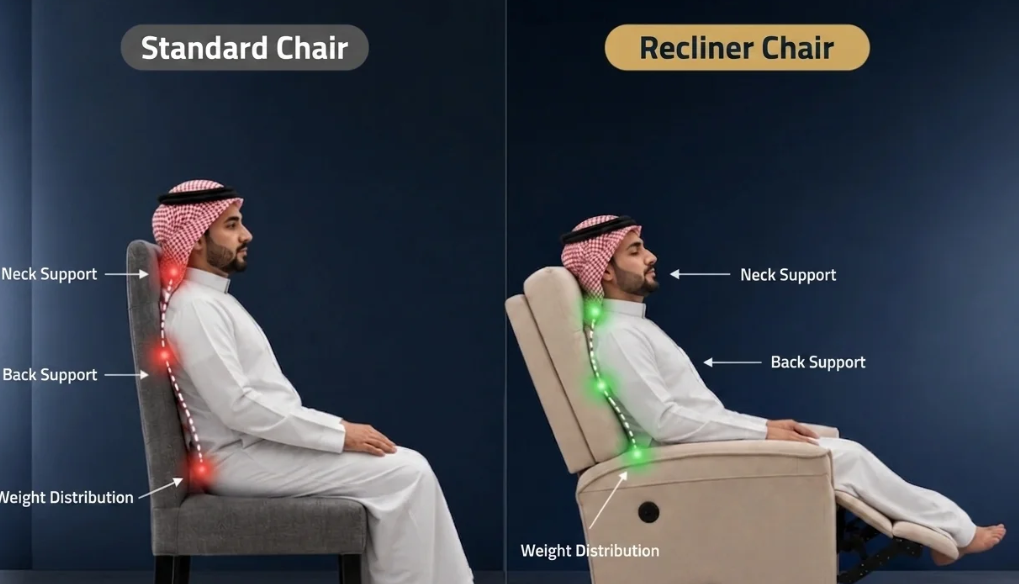
benefits of recliner chair
The benefits of recliner chair extend far beyond simple relaxation, offering comprehensive body support and relieving stress on joints ...
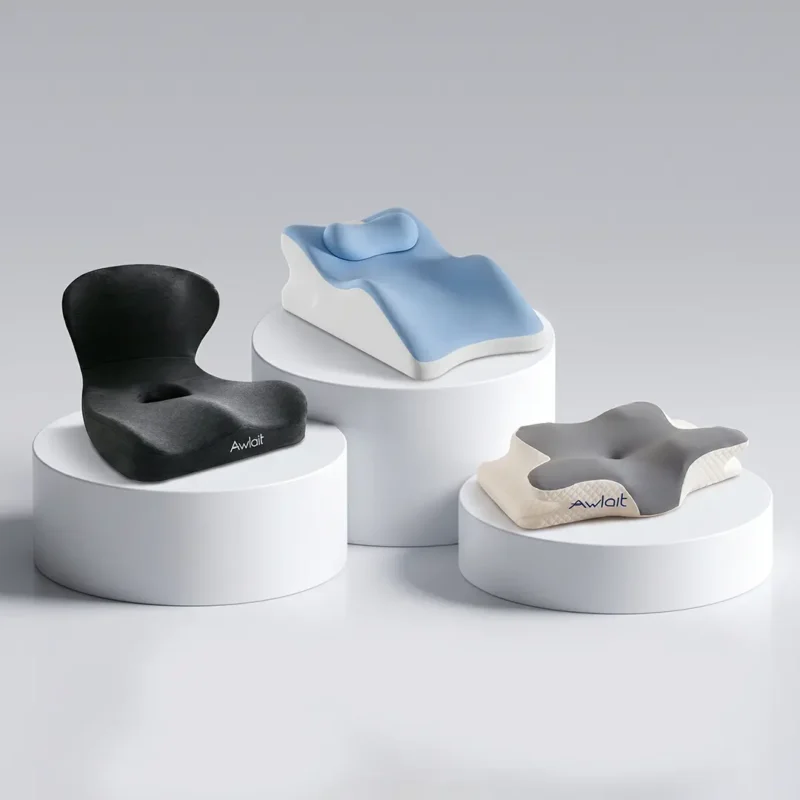
Best Memory Foam Pillows in 2026
The best memory foam pillows are engineered to provide superior cervical support by adapting to the unique contours of your head and ne...
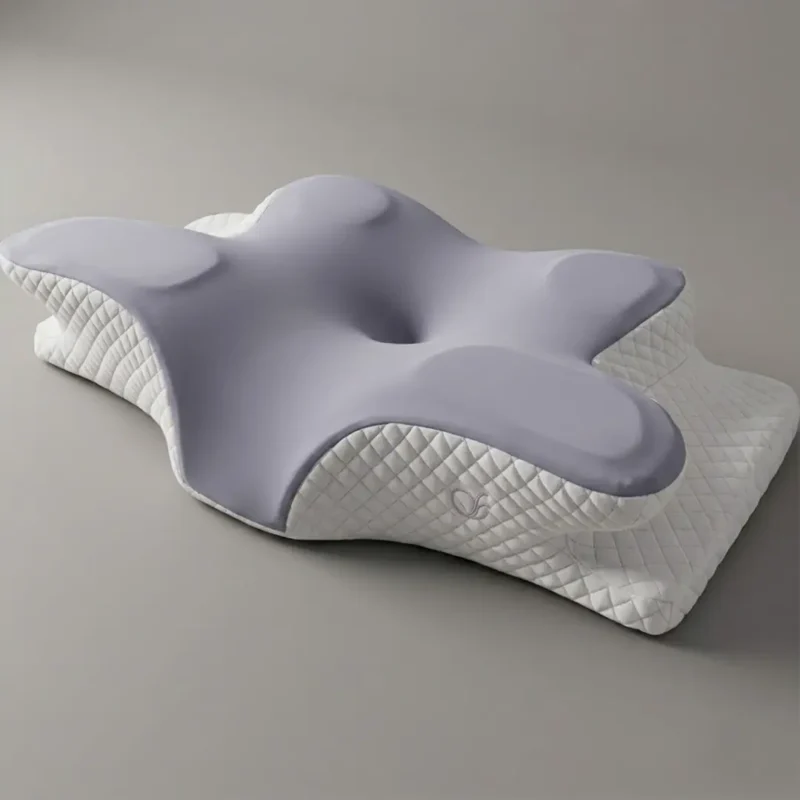
Best Type of Pillow for Neck Pain: Orthopedic Guide by Sleep Position
Finding the best type of pillow for neck pain requires matching your sleep position with the correct loft and material. A misaligned ce...
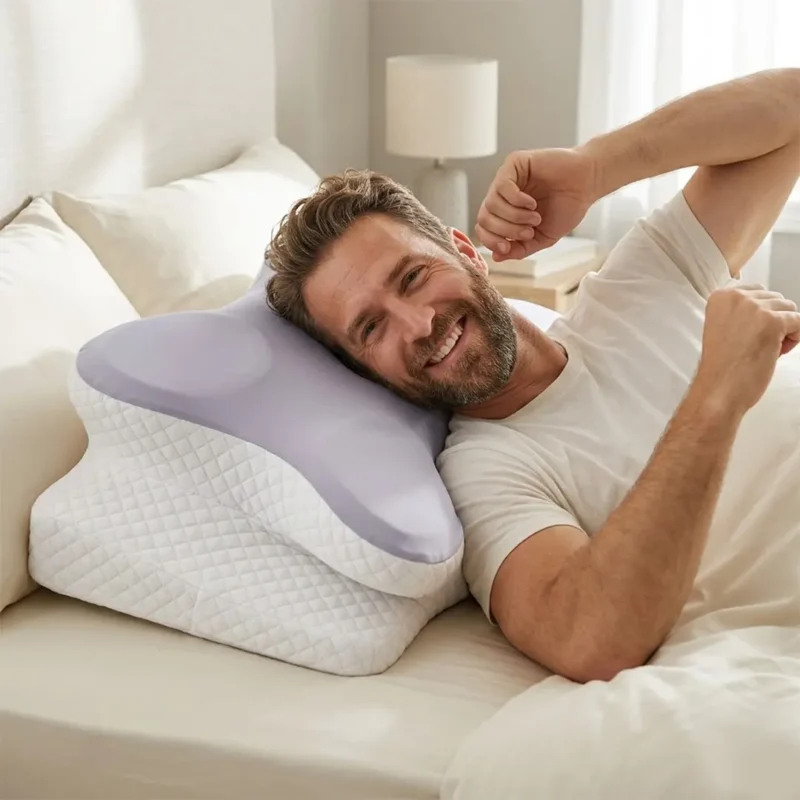
Best Pillow for Sleeping in 2026
Finding the best pillow for sleeping is essential for maintaining spinal health and ensuring restorative rest throughout the night. You...
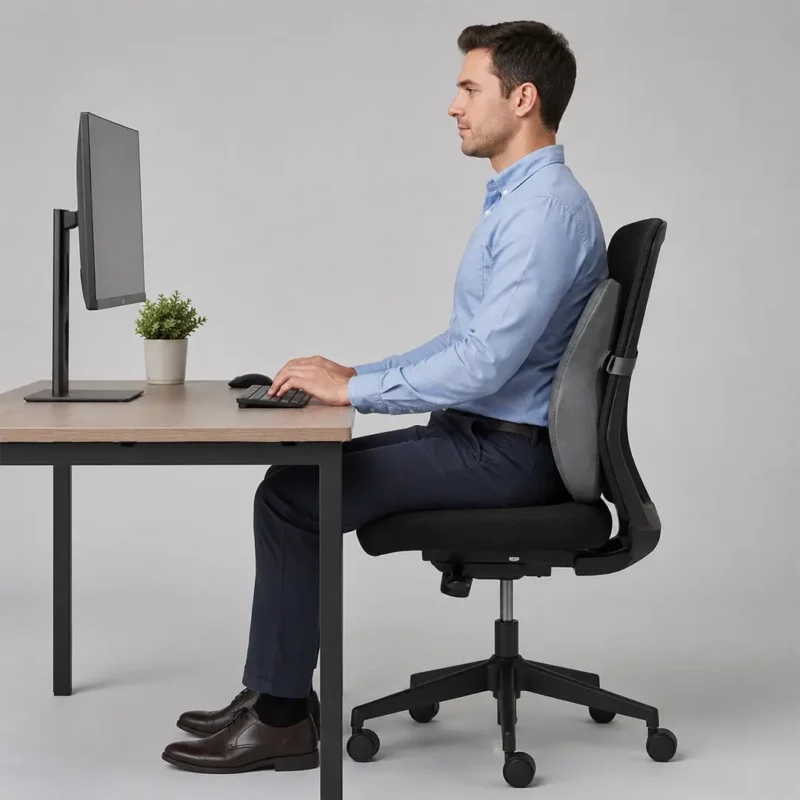
Correct Sitting Posture in Front of Computer
Maintaining correct sitting posture in front of computer screens is absolutely essential to prevent chronic musculoskeletal disorders a...
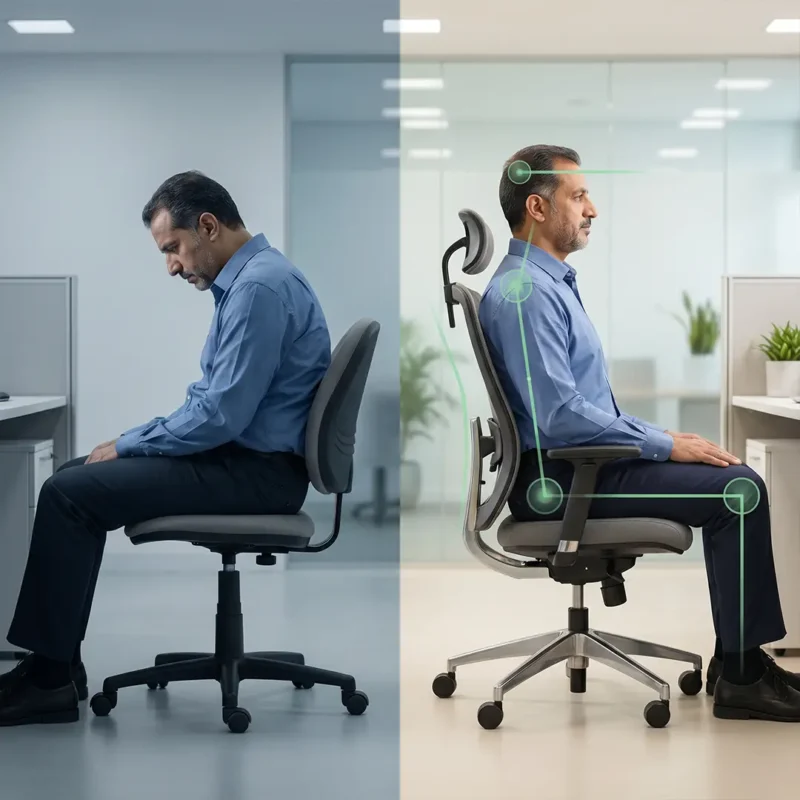
Proper Sitting Posture: How to Sit Correctly for Better Back Health
Proper sitting posture is the simplest way to reduce strain when you work, study, or relax for long hours. It means aligning your feet,...