In celebration of Saudi National Day discount 15% use code Watan













Blog

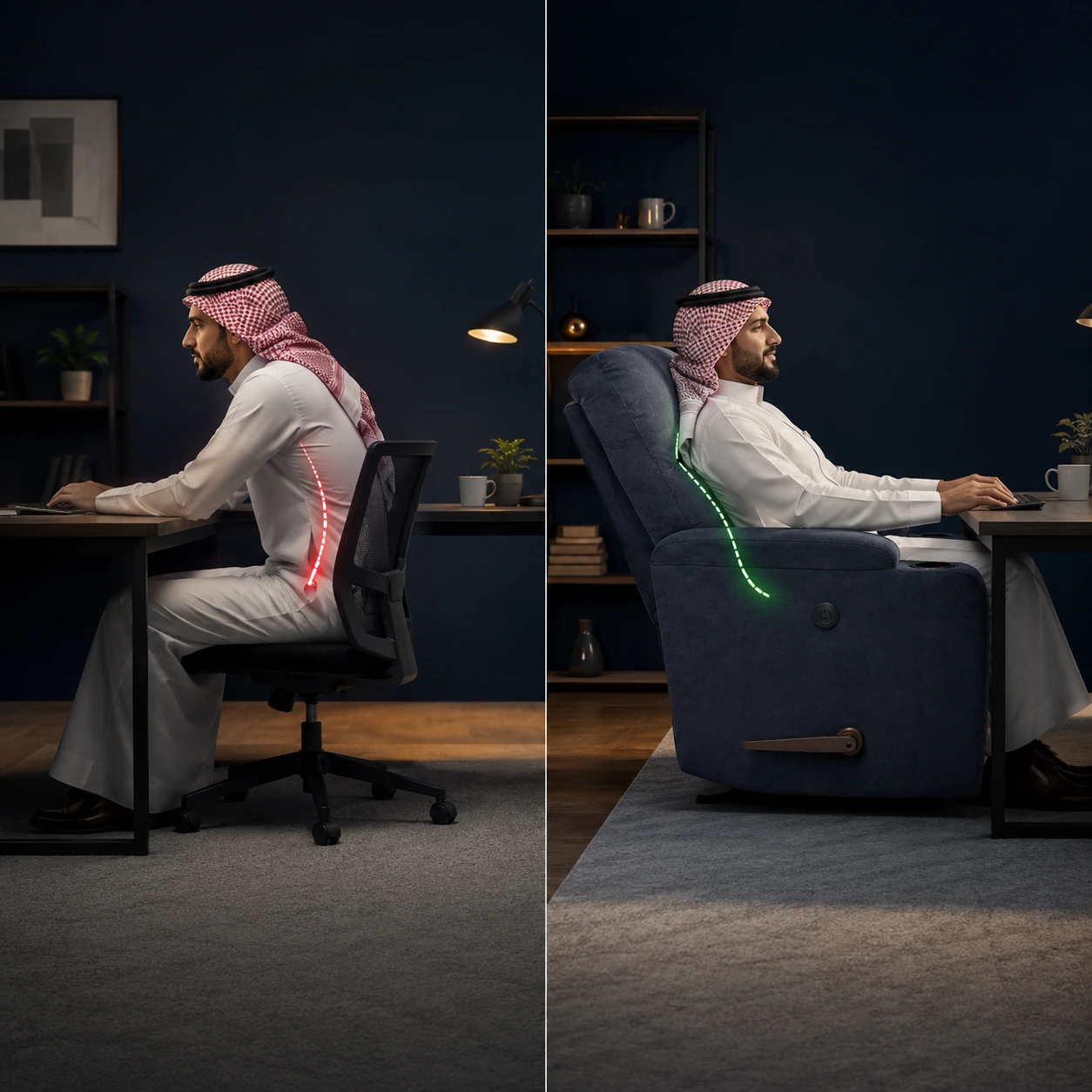
Learning how to relieve back pain requires a structured, step-by-step approach. It begins with applying cold therapy to soothe lumbar muscle inflammation, followed by gentle movement—such as controlled walking—while avoiding prolonged bed rest. Achieving rapid recovery relies on targeting the root cause, whether it is an acute muscle strain or stress caused by poor sitting habits over extended periods. This comprehensive medical guide explores evidence-based home recovery, rehabilitation exercises, and workspace adjustments designed to restore spinal balance.
How to Relieve Back Pain Fast at Home
When sudden discomfort strikes, taking quick yet cautious action is critical to prevent further aggravation. Knowing how to relieve back pain fast at home provides an effective way to soothe lower back muscle tension and reduce acute symptoms.
First Steps When Pain Strikes
- Halt Strenuous Activities Immediately: Stop any sharp movements or heavy lifting right away to minimize mechanical pressure on your lumbar vertebrae.
- Apply Ice to the Affected Area: Place cold packs on the painful zone for 15–20 minutes every two hours to manage discomfort and curtail acute swelling.
- Adopt a Supportive Resting Position: Lie flat on your back with a pillow tucked under your knees to take tension off your core and lower back muscles.
Best Methods to Ease Back Pain in the First 24–48 Hours
- Cold-to-Heat Therapy: Stick to cold compresses for the first 48 hours to control localized inflammation. Switch to warm compresses afterward to stimulate circulation and ease back pain naturally.
- Consider Over-the-Counter Anti-Inflammatories: Speak with a pharmacist about safe options to manage discomfort linked to acute muscle spasms and get rid of back pain.
- Engage in Short, Light Walks: Take brief, gentle strolls around your home for a few minutes every hour to boost blood flow and prevent joint stiffness.
Rest vs. Movement: Finding the Balance
Continuous bed rest is no longer clinically recommended because it weakens muscle structures and delays healing. Instead, learning how to relieve back pain fast relies on a healthy balance: brief periods of rest followed by gradual movement within comfortable thresholds.
Clinical Insight: Recent medical guidelines indicate that extended bed rest delays recovery. Progressive, low-impact movement minimizes discomfort while restoring spinal functionality much faster. If symptoms persist beyond several weeks or are accompanied by leg weakness, seek an urgent medical evaluation.
Common Pitfalls That Delay Recovery
- Staying in bed continuously for more than 48 hours.
- Applying direct heat during the initial hours of an acute injury.
- Performing aggressive or forced stretches during peak acute pain.
- Sitting on unsupportive chairs that flatten the spine’s natural curve.
Causes of Back Pain: How to Identify Your Trigger
Back discomfort stems from various factors depending on the underlying tissue affected. Pinpointing the likely cause allows you to choose the safest pathway as you work on how to relieve back pain safely.
| Potential Cause | Common Symptoms | Can It Be Managed at Home? |
| Muscle Strain | Dull, localized ache in the lower back; worsens with movement and stiffens after rest. | Yes. Focus on temporary rest, cold/heat therapy, and gentle movement. |
| Prolonged Poor Sitting | Gradual strain in the mid-to-lower back with stiffness upon standing. | Yes. Adjust posture, modify your workspace, and use ergonomic seating. |
| Herniated Disc | Sharp, sudden pain that increases with coughing or bending; may radiate down the spine. | Requires medical assessment; conservative management helps soothe symptoms. |
| Sciatica | Radiating pain extending from the lower back into the hip and down the back of the leg. | Consult a doctor alongside guided physical therapy to address nerve strain. |
Understanding the Primary Causes
- Extended Sitting & Pressure: Sitting for long hours without adequate lumbar support exerts double the mechanical pressure on intervertebral discs, leading to chronic postural strain.
- Ligament and Muscle Strains: Frequently triggered by improper lifting techniques or sudden twisting motions, this remains the most widespread cause of acute discomfort.
- Herniated Discs & Sciatica: Occurs when the soft inner core of a disc bulges outward, pressing on nearby nerves and sending radiating discomfort down the sciatic pathway.
Clinical data shows that roughly 70% to 80% of cases stem from simple strains and mechanical stress, both of which respond exceptionally well to home care and ergonomic adjustments.
Targeted Strategies Based on Your Daily Routine
Tailoring your approach to your specific environment ensures steady progress without compromising your daily productivity.
- For Long Hours at a Desk: Stand up for 3 minutes every half hour, perform gentle backward extensions, and pull your hips all the way back against your seat base.
- After Heavy Physical Effort: Prioritize passive rest, use gentle massage techniques with soothing oils to reduce spasms, and apply cold therapy promptly.
- During Office Work: Adjust your monitor to eye level, keep your feet flat on the floor, and use a dedicated lumbar cushion. Upgrading your workspace setup with a supportive Office Recliner Chair provides built-in lumbar alignment to alleviate daily mechanical strain.
- While Traveling or Driving: Set your vehicle seat angle to roughly 100–110 degrees, place a small support roll behind your lower back, and take short walking breaks every hour.
Safe Exercises to Ease Back Pain
Targeted movement builds core stability and supports the spine. When using physical exercises as part of how to relieve back pain, progressive and controlled execution is key.
Gentle Stretching Exercises
- Child’s Pose: Helps release lower back tension while slowly elongating the hips and paraspinal muscles.
- Knee-to-Chest Stretch: Soothes mechanical pressure around the lower lumbar region and helps ease irritation around the sciatic nerve.
- Glute Bridge: Activates the posterior chain and restores proper pelvic alignment without straining the spine.
Strengthening for Long-Term Stability
- Core Activation: Reinforces the deep abdominal wall to create a natural internal brace around your lumbar vertebrae.
- Pelvic Stability: Practicing bird-dogs keeps the pelvis neutral and protects intervertebral discs during daily activities.
- Flexibility Routine: Follow guided movements in our dedicated Back Pain Relief Exercises guide to maintain optimal mobility over time.
Caution: Stop exercising immediately if you experience sharp shooting pain, tingling, or numbness radiating down your legs. Exercise should promote recovery, not force you through sharp discomfort.
How to Prevent Back Pain from Returning
Long-term spinal health relies on building healthy mechanical habits into your everyday routine so you do not have to constantly manage acute flare-ups.
- Maintain Proper Posture: Keep your spine neutral and avoid slouching forward at your desk.
- Take Active Micro-Breaks: Stand up and move around for 2 minutes every 30 to 60 minutes.
- Adopt a Supportive Sleeping Position: Sleep on your side with a firm pillow between your knees to keep your hips and spine aligned.
- Use Proper Lifting Technique: Bend at your knees and power the lift with your legs rather than hinging at your waist.
- Keep Core Muscles Active: Engaging in low-impact conditioning regularly strengthens spinal support structures. Explore targeted movements in our resource on Best Recliner for Back Pain to complement your ergonomic habits.
| Daily Healthy Habit | Impact on Spinal Health | Estimated Risk Reduction |
| Regular Walking (30 mins/day) | Stimulates circulation and hydrates lumbar discs | 40% |
| Ergonomic Workspace Setup | Minimizes continuous mechanical strain | 35% |
| Core Muscle Conditioning | Protects vertebrae and improves kinetic stability | 50% |
Do Ergonomic Recliners Help Reduce Back Pain?
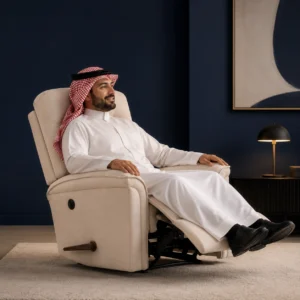
Proper seat design plays a vital role in distributing body weight evenly and reducing pressure on the lumbar region, making it an essential consideration for anyone wondering how to relieve back pain when sitting for more than four hours a day.
Key Features of a Supportive Chair
- Dedicated lower back support matching your spine’s natural curve.
- Adjustable seat height, tilt angle, and armrests.
- Quality cushioning that prevents pelvic tilting.
Ergonomic Seating vs. Standard Chairs
Traditional chairs often encourage slouching, which stretches the posterior ligaments and increases disc pressure. In contrast, ergonomic solutions—such as an Adjustable Recliner or a versatile Power Recliner—allow you to recline to angles that significantly lower intra-discal pressure.
How to Choose the Right Recliner for Your Needs
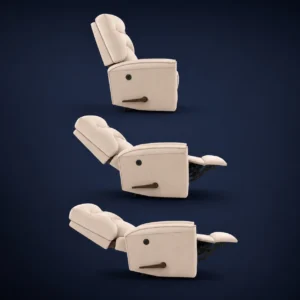
- For Long Hours at Work: Sitting at a desk for extended periods requires proper lumbar stabilization. Using a high-grade Recliner Chair or exploring our guide on Comfort Chairs can help maintain healthy pelvic posture throughout your workday.
- For Evening Relaxation at Home: After a long day, relaxing in a plush Recliner with Ottoman or an elegant Brown Recliner Chair helps decompress your spine and relax overworked back muscles.
- For Smooth, Effortless Adjustments: If mobility is limited or bending causes discomfort, an Electric Power Recliner Chair allows you to change seating positions effortlessly with the touch of a button.
Important Note: Ergonomic seating serves as a powerful preventive and supportive tool to lessen daily strain. However, it should always be combined with active movement and core exercises for lasting recovery.
When Should You See a Doctor?
While most back issues improve with self-care, certain red-flag symptoms require immediate clinical evaluation to rule out severe nerve compression or underlying structural conditions.
| Symptom / Warning Sign | Risk Level | Recommended Action |
| Loss of bowel or bladder control | Critical Emergency | Seek emergency medical care immediately. |
| Sudden, severe leg weakness or numbness | High Risk | Consult a neurologist or orthopedic specialist urgently. |
| Back discomfort accompanied by fever or weight loss | Moderate–High | Schedule comprehensive medical tests and imaging. |
| Persistent discomfort lasting over 4–6 weeks | Moderate | Work with a specialist to evaluate your spinal health. |
Discomfort accompanied by numbness in the groin area, progressive foot weakness, or loss of bowel/bladder control indicates severe nerve compression (such as Cauda Equina Syndrome) and demands immediate medical or surgical intervention to prevent permanent nerve damage.
Frequently Asked Questions (FAQ)
How to make back pain go away fast?
You can reduce acute discomfort quickly by stopping physical activity, applying cold therapy for 15–20 minutes every two hours, and resting in a supportive position with a pillow under your knees. To figure out how to relieve back pain fast at home safely, avoid heavy mechanical stress and engage in short, gentle walks.
How to diagnose lower back pain?
Diagnosing lower back distress involves a physical examination by a healthcare provider to evaluate mobility, nerve reflexes, and muscle strength. If necessary, advanced imaging like X-rays or MRI scans may be ordered to assess intervertebral discs before deciding on a treatment plan.
How to sleep to relieve lower back pain?
The best position is sleeping on your side with a firm pillow placed between your knees to maintain natural spinal alignment. If you prefer sleeping on your back, place a pillow under your knees to reduce lumbar curve and pressure to ease back pain overnight.
What to do when you tweak your back?
If you tweak your back, stop activity immediately. Apply an ice pack wrapped in a cloth for 15 minutes, rest comfortably, and avoid sudden bending or heavy lifting over the next 48 hours to get rid of back pain before it becomes chronic.
Does walking help ease back pain?
Yes, moderate and consistent walking stimulates circulation, sending vital oxygen and nutrients to the lumbar discs and paraspinal tissues. Regular walking plays a pivotal role in managing chronic muscle tension and avoiding joint stiffness.
Are hot compresses better than cold packs?
Cold packs work best during the first 48 hours to minimize acute swelling and localized inflammation. After 48 hours, switching to warm compresses helps relax tight muscle fibers and improve blood circulation.
How long does recovery from a muscle strain take?
Recovery from a simple back muscle strain typically ranges from a few days to two weeks, provided you maintain a healthy balance of light mobility, proper ergonomics, and gentle stretching.
Protecting your spinal health and preventing recurring setbacks requires combining medical awareness with daily healthy habits. Implementing a complete strategy on how to relieve back pain—from immediate home care and rehabilitation exercises to optimizing your seating posture with a dedicated Comfort Chairs setup—ensures you can return to your routine safely and stay active long-term.

Related posts
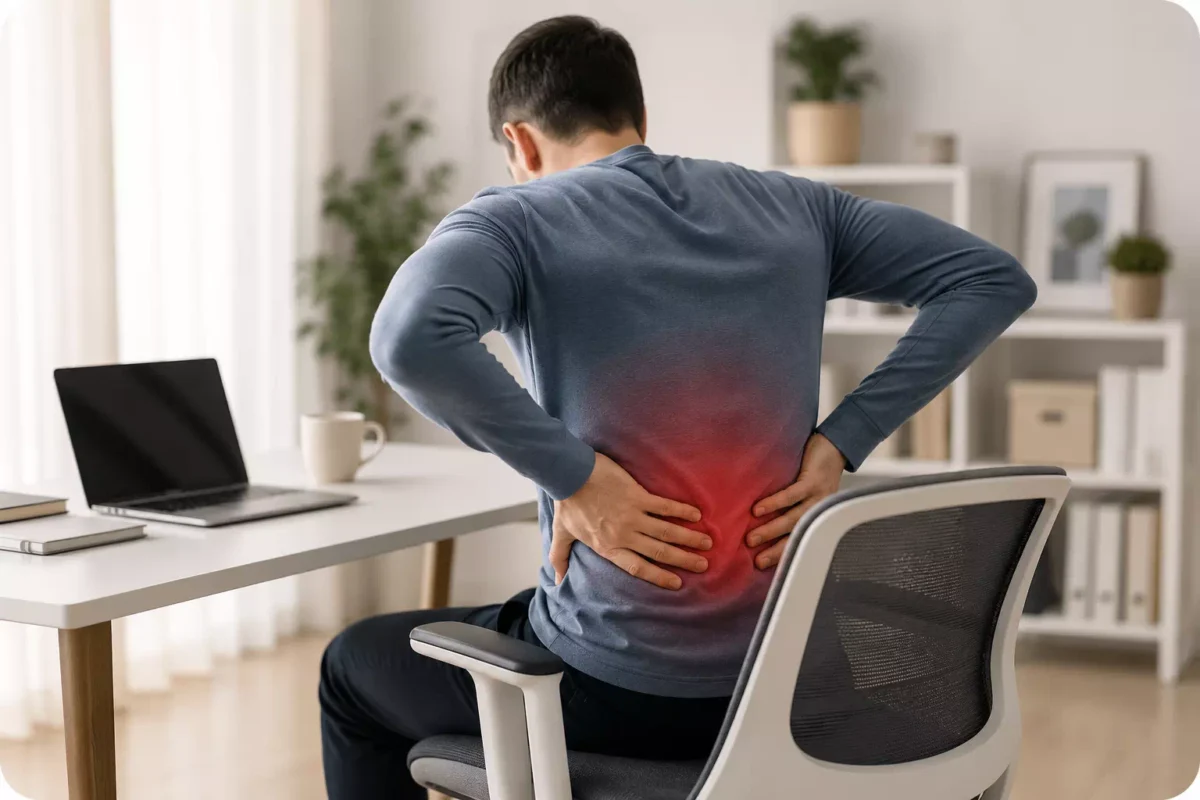
How to Ease Lower Back Pain

How to Ease Lower Back Pain: Safe Home Care, Exercises, and Warning Signs
The best way to ease lower back pain is usually to remain ge...

Herniated Disc Pain Relief
Herniated Disc Pain Relief
Herniated Disc Pain Relief starts with gentle activity, brief rest, supportive sitting and sleeping positio...
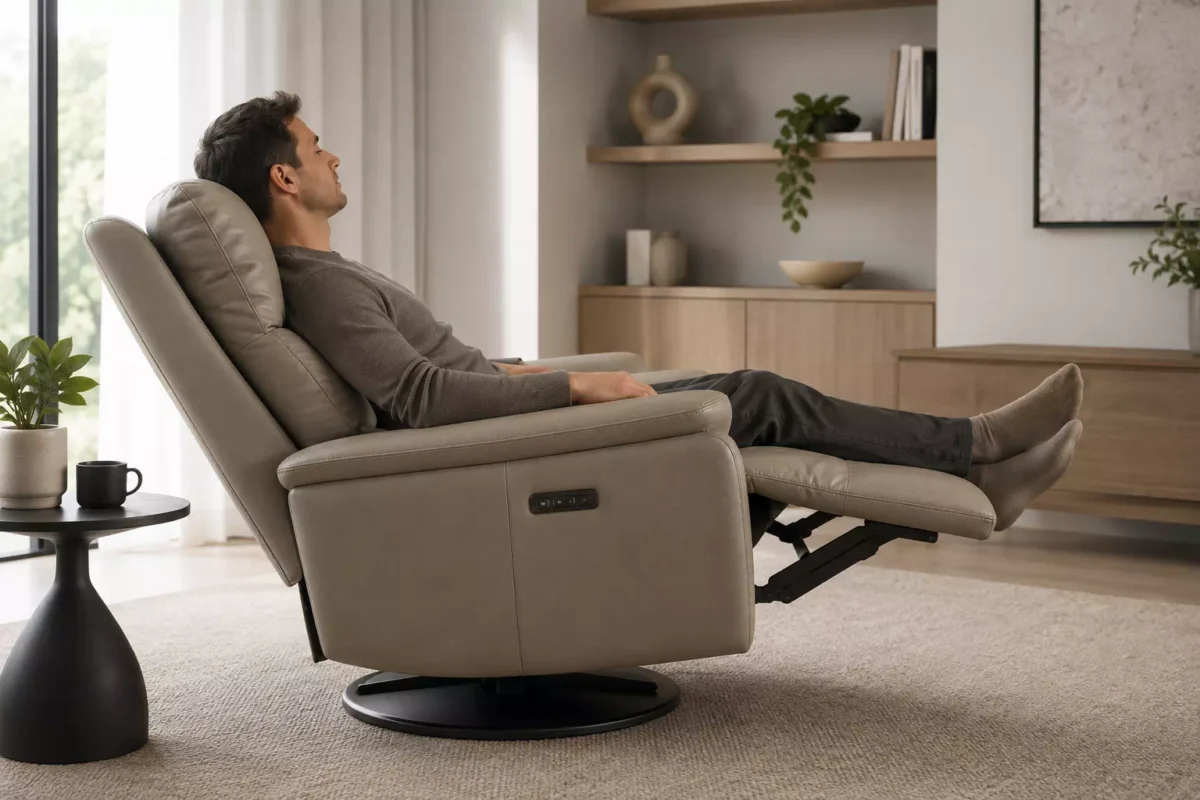
Best Recliner for Back Pain
Best Recliner for Back Pain: The Ultimate Ergonomic
Finding the best recliner for back pain requires selecting a seat built on ergono...
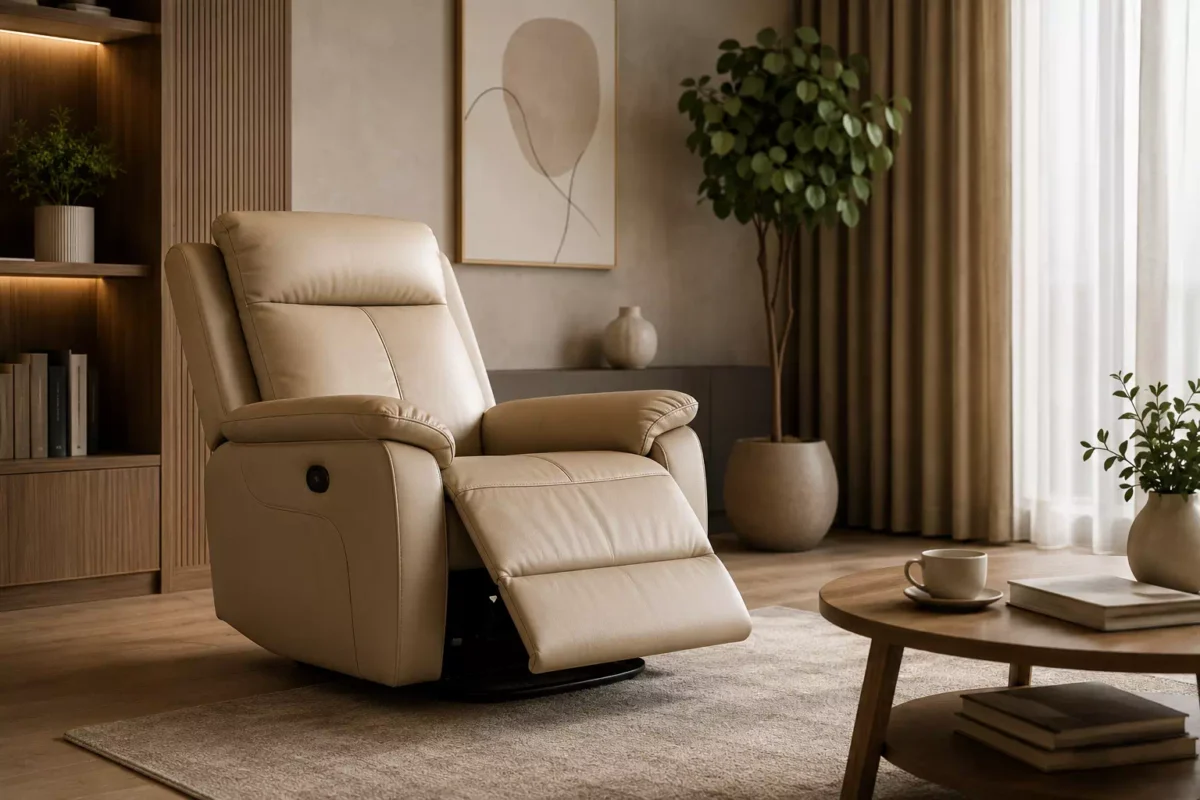
How to Choose a Recliner Chair
How to Choose a Recliner Chair: An Ergonomic & Buyer's Guide
Learning How to Choose a Recliner Chair comes down to evaluating your...
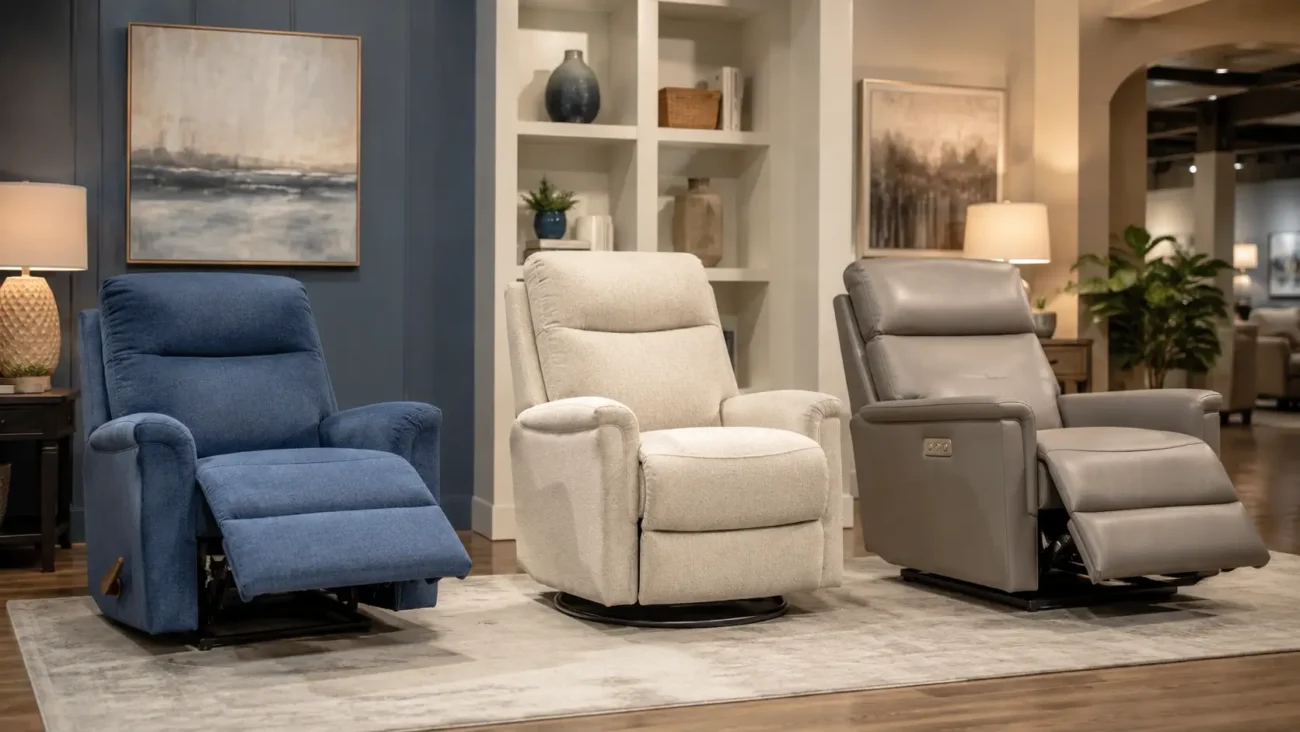
Recliner Chair Prices
Awlait recliner chair prices currently start from SAR 1,269 and can reach SAR 2,815, depending mainly on the selected reclining mechani...
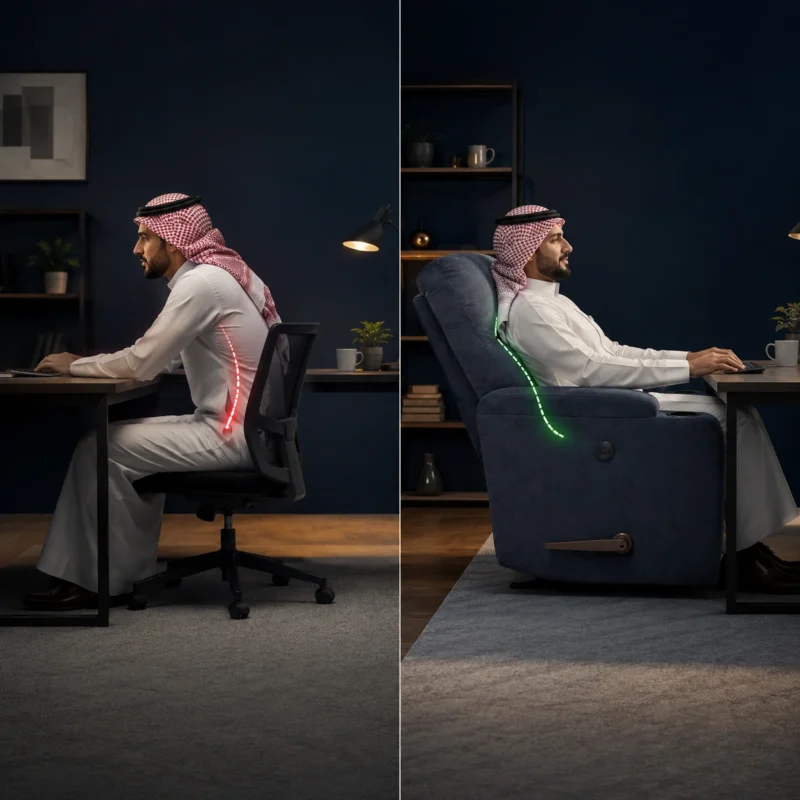
How to Relieve Back Pain
Learning how to relieve back pain requires a structured, step-by-step approach. It begins with applying cold therapy to soothe lumbar m...
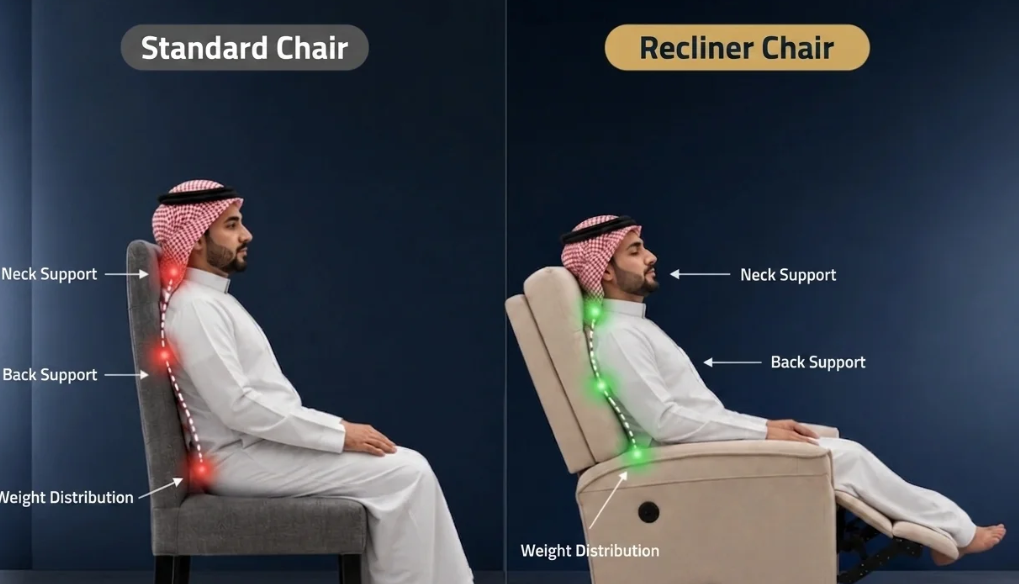
benefits of recliner chair
The benefits of recliner chair extend far beyond simple relaxation, offering comprehensive body support and relieving stress on joints ...
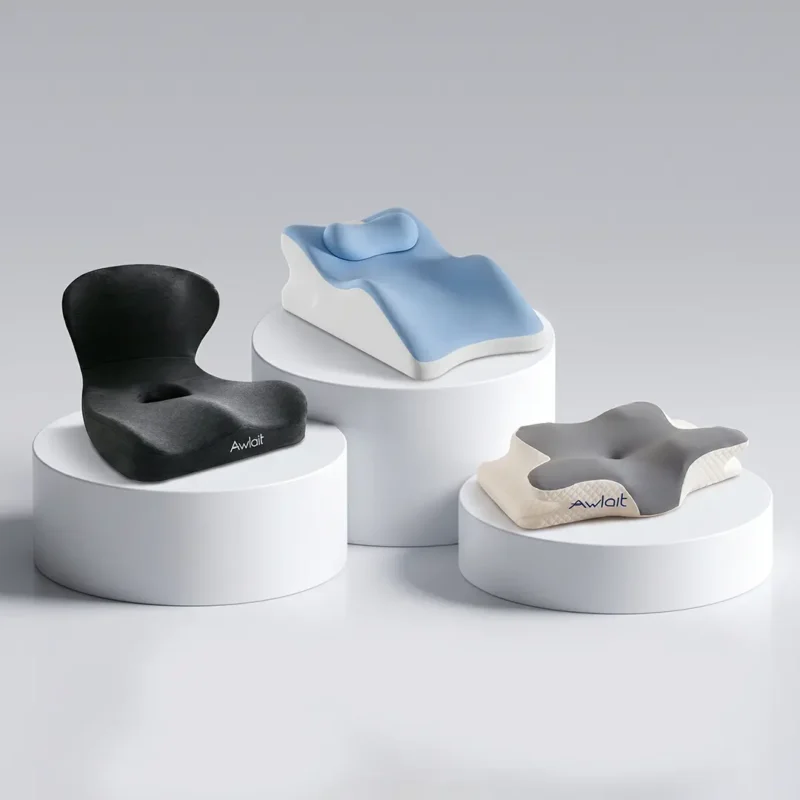
Best Memory Foam Pillows in 2026
The best memory foam pillows are engineered to provide superior cervical support by adapting to the unique contours of your head and ne...
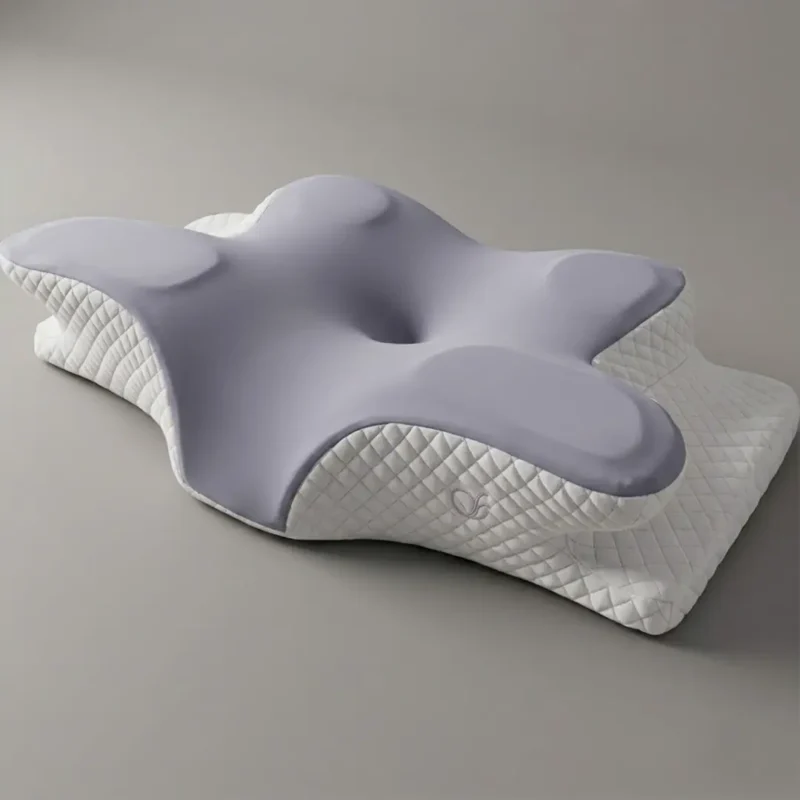
Best Type of Pillow for Neck Pain: Orthopedic Guide by Sleep Position
Finding the best type of pillow for neck pain requires matching your sleep position with the correct loft and material. A misaligned ce...
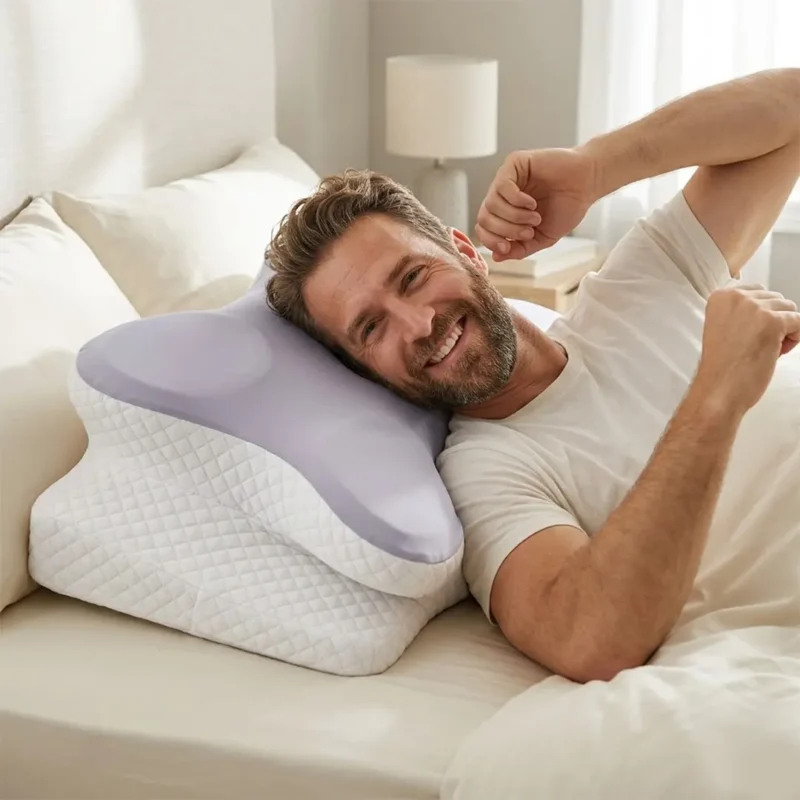
Best Pillow for Sleeping in 2026
Finding the best pillow for sleeping is essential for maintaining spinal health and ensuring restorative rest throughout the night. You...
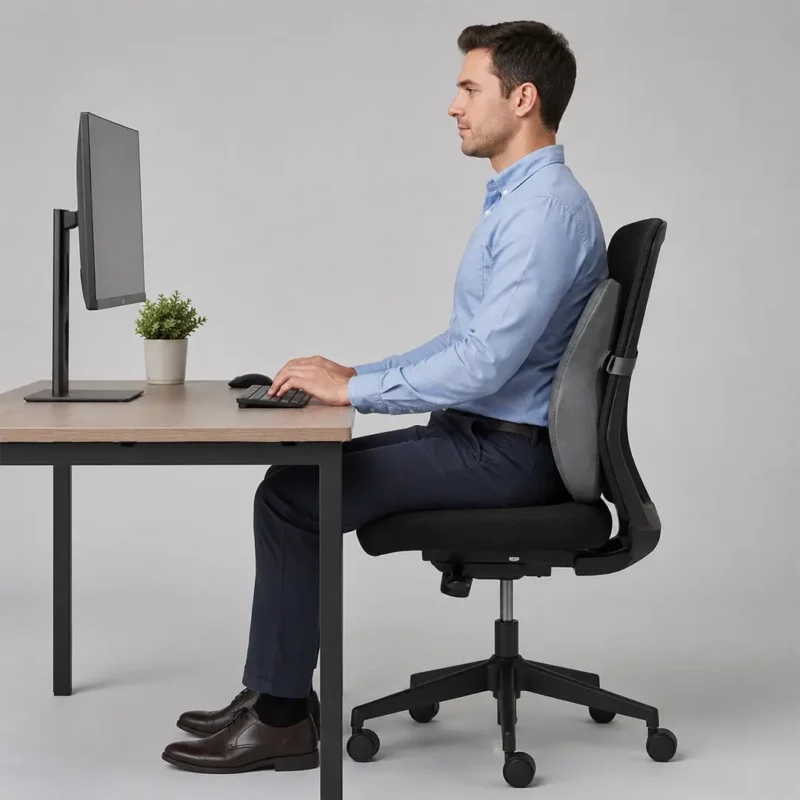
Correct Sitting Posture in Front of Computer
Maintaining correct sitting posture in front of computer screens is absolutely essential to prevent chronic musculoskeletal disorders a...
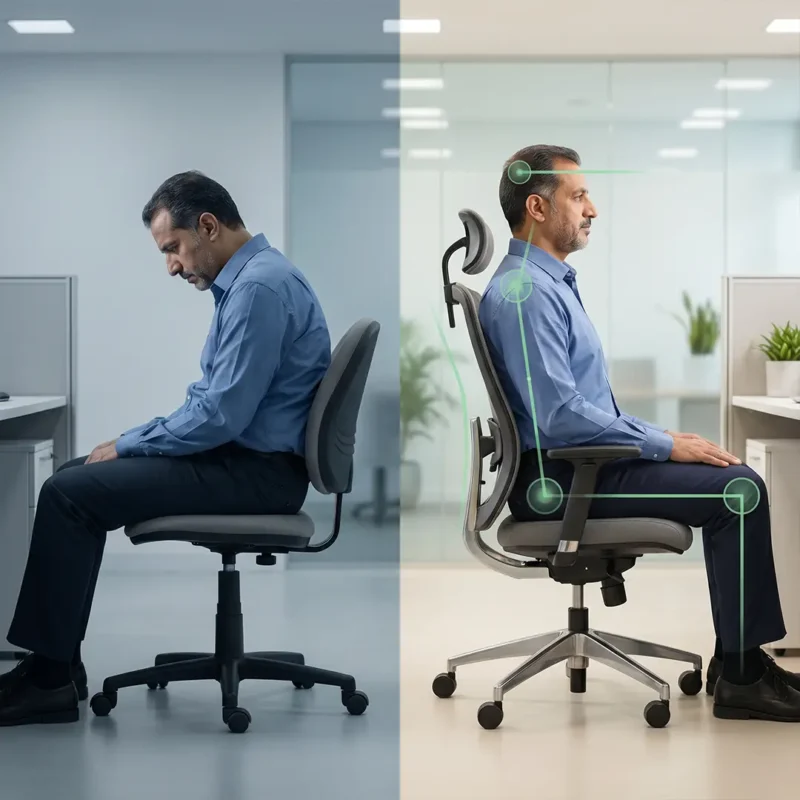
Proper Sitting Posture: How to Sit Correctly for Better Back Health
Proper sitting posture is the simplest way to reduce strain when you work, study, or relax for long hours. It means aligning your feet,...