In celebration of Saudi National Day discount 15% use code Watan


















Blog

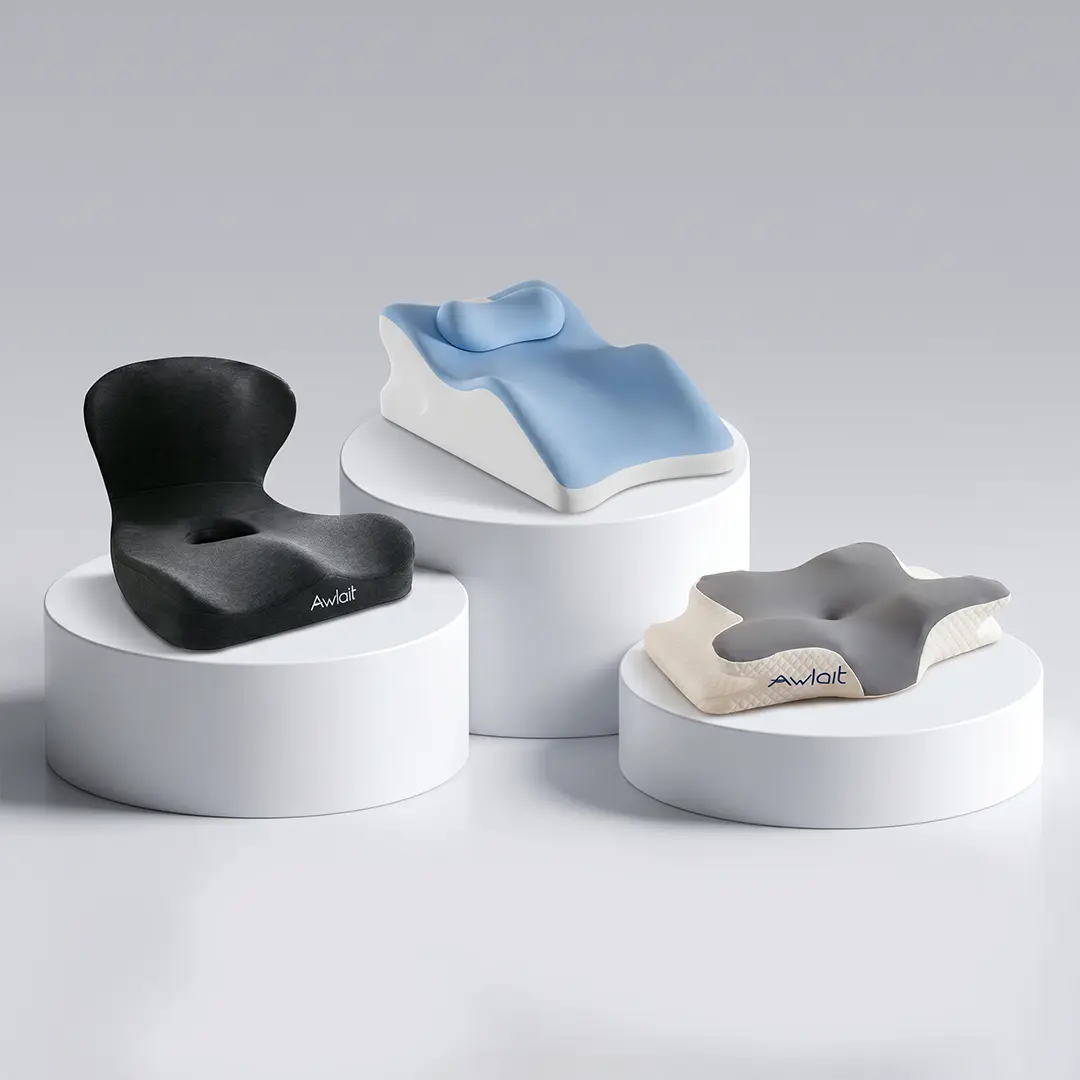
The best memory foam pillows are engineered to provide superior cervical support by adapting to the unique contours of your head and neck. Unlike traditional polyester or down alternatives, high-density viscoelastic foam distributes weight evenly, reducing pressure on the spine and alleviating morning stiffness. In 2026, selecting the right loft and cooling technology is essential for maintaining spinal health during sleep. This guide explores the most effective solutions for neck pain, ensuring you achieve optimal alignment regardless of your position.
What Makes a Memory Foam Pillow Different
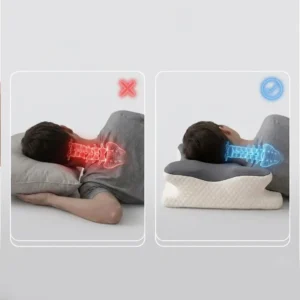
Understanding the material science behind your bedding is the first step toward better sleep. Memory foam, technically known as viscoelastic polyurethane, is a high-density material that responds to both body heat and pressure. This unique combination allows it to mold specifically to the shape of your head and neck, providing a level of customization that traditional materials simply cannot match.
The science behind viscoelastic support
When you lie down, the foam softens in response to your warmth, allowing the heavier parts of your head to sink while providing firm upward support to the delicate Cervical Spine (Q185253). This mechanical response ensures that there is no single compression point on your nerves or muscles. By maintaining the natural curvature of the spine, the best memory foam pillows prevent the structural collapse often seen in fiber-filled alternatives, which typically lose their support within just two hours of use.
Shredded vs solid memory foam: The critical difference
Choosing between shredded and solid foam is not just about feel; it is about biomechanical stability.
- Solid Memory Foam: Offers a consistent loft and fixed shape. It is the superior choice for cervical alignment because it does not shift or flatten throughout the night.
- Shredded Memory Foam: Consists of torn foam pieces that are highly moldable. While excellent for airflow and general comfort, the loft can shift during sleep, leading to inconsistent support for the neck.
For those specifically seeking pillows for neck pain, a solid or contoured design is the recommended standard. Shredded options remain a favorite for “comfort sleepers” who do not suffer from chronic stiffness but enjoy the plush feel of a moldable pillow.
Are the Best Memory Foam Pillows Good for Neck Pain?
The relationship between sleep surface and musculoskeletal health is well-documented in clinical research. For individuals suffering from chronic discomfort, a cervical pillow made of high-quality memory foam is often a primary recommendation from orthopedic specialists.
What research says about cervical support
Clinical studies have shown that memory foam significantly reduces electromyography (EMG) activation in neck muscles compared to standard polyester fills. By allowing the muscles to remain in a neutral state, the foam facilitates deeper recovery. Furthermore, best contour pillows—which feature a dual-lobe design—have been found to outperform flat surfaces for patients with chronic cervical issues, as they mechanically enforce the correct sleeping posture.
Memory foam vs down pillows for neck pain
While down pillows are often associated with luxury, they are biologically poorly suited for pain relief. Down feathers compress almost immediately under the weight of the head (5–6 kg), leaving the neck without structural support by midnight. In contrast, high-density memory foam maintains its loft throughout the entire sleep cycle, providing measurable alignment benefits that prevent the “cricked neck” sensation many experience upon waking.
The effectiveness of a support surface is not measured by its softness. The best memory foam pillows are those that maintain neutral cervical alignment—neither allowing the head to tilt too far back nor pushing it too far forward
Best Memory Foam Pillows by Sleep Position
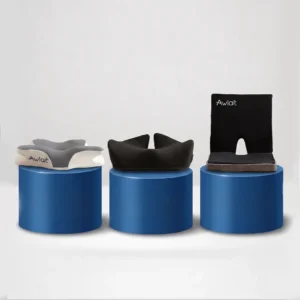
Choosing a pillow is not a one-size-fits-all process; your primary sleep position dictates the required height (loft) and firmness. To find the best memory foam pillows for your body, you must match these metrics to your anatomy to ensure the spine remains neutral.
Best memory foam pillow for side sleepers
Side sleepers require the highest loft, typically between 10–14 cm, to fully bridge the gap between the shoulder and the ear. A high-density foam (45D–50D) is crucial here to prevent the head from dipping toward the mattress. We recommend the cervical pillow from Awlait, as its high-contour side provides the structural integrity needed to support the heavy load of the head in this position.
Best cervical / contour memory foam pillow for back sleepers
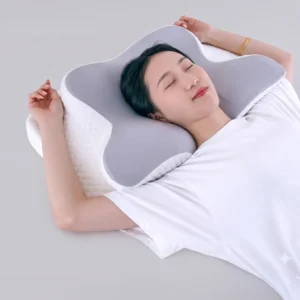
Back sleepers need a moderate loft of 7–10 cm to preserve the natural “C-curve” or cervical lordosis. The best cervical pillows for this position usually feature a central cavity that cradles the back of the head while the raised edges support the neck. This prevents the chin from tilting toward the chest, which can restrict airflow and cause morning soreness.
Best memory foam pillow for stomach sleepers
Stomach sleeping is the most taxing position for the spine due to the required neck rotation. If you cannot switch positions, look for an ultra-thin profile (under 7 cm) to minimize strain. Using a Multi Position Pillow as a body support can help you transition to side sleeping, which is significantly better for long-term health.
| Sleep Position | Ideal Loft (cm) | Required Density | Recommended Product |
| Side | 10 – 14 cm | High (50D) | Awlait Cervical Pillow |
| Back | 7 – 10 cm | Medium/High | Awlait Cervical Pillow |
| Stomach | < 7 cm | Soft/Low | Multi Position Pillow |
Best Contour & Cervical Memory Foam Pillows: How They Differ
Understanding the distinction between flat and shaped foam is vital for pain management. While both use viscoelastic material, their mechanical impact on the neck varies significantly.
What is a contour pillow and how does it support the spine?
A contour pillow features a wave-like shape with two different heights. The higher lobe is designed for side sleeping, while the lower lobe provides the perfect cradle for back sleepers. By targeting the C3–C5 vertebrae support zone, the best contour pillows maintain the spine’s natural alignment more effectively than traditional flat surfaces.
Flat memory foam vs contour — who should choose what?
Flat pillows offer versatility and are often preferred by those who switch positions frequently without having specific pain. However, for those dealing with chronic stiffness or “tech neck,” a dedicated cervical pillow from Awlait with a 50D density provides the corrective support necessary to decompress the neck during sleep.
Memory Foam Pillow Problems
Despite their benefits, memory foam has unique characteristics that buyers in the GCC, KSA, and UAE markets should consider, particularly regarding the warm climate.
Heat retention — the #1 complaint
Traditional foam can trap body heat, causing the surface temperature to rise. To solve this, the best memory foam pillows in 2026 utilize open-cell technology or gel infusions. These features are non-negotiable for hot sleepers, as they facilitate airflow and help regulate temperature throughout the night.
Off-gassing and safety
New foam may emit a slight chemical odor, known as off-gassing, which typically dissipates within 24 to 72 hours. Look for CertiPUR-US certified foam to ensure the product is free from harmful chemicals. People often ask: Are memory foam pillows safe to use every day? The answer is yes, provided they are certified and replaced every 3–5 years as the density begins to degrade.
How Long Do Memory Foam Pillows Last?
The durability of your pillow depends largely on its construction type. Solid memory foam (40D+) typically lasts 3 to 5 years before it loses its supportive loft. In contrast, shredded foam versions may need replacement every 2 years as the individual pieces break down faster.
Signs it is time for a replacement include visible compression that no longer bounces back, waking up with new neck stiffness, or the pillow feeling significantly softer than when first purchased. Keeping your best memory foam pillows in top condition requires using a protective cover and regular ventilation.
How to Choose the Best Memory Foam Pillow: A 6-Criterion Decision Framework
To ensure you are investing in a product that actually improves your health, use this structured framework before making a purchase. The best memory foam pillows are defined by these technical specifications:
- Loft (Height): Must match your sleep position (10–14cm for side, 7–10cm for back).
- Density: Minimum 40D for basic support; 50D is required for chronic neck pain relief.
- Type: Choose solid contour for corrective support or shredded for adjustable comfort.
- Cooling Technology: Essential for the Middle Eastern climate—look for gel-infused or open-cell structures.
- Certification: Ensure it is CertiPUR-US certified to guarantee safety and low VOC emissions.
- Warranty: A quality brand like Awlait offers a 24-month non-collapse warranty.
| Criterion | Why it Matters | Ideal Specification |
| Loft | Spinal Alignment | Position-dependent (cm) |
| Density | Support Longevity | 40D to 50D |
| Cooling | Sleep Quality | Gel or Open-cell foam |
Memory Foam Pillows
Nighttime recovery is only half the battle. Your daytime habits often dictate how much work your pillow has to do at night. Issues like lower back pain when sitting can create a chain reaction of tension that travels up to your cervical spine.
How daytime posture affects your neck
If you suffer from “Tech Neck” due to hours at a desk, your cervical muscles remain in a state of chronic strain. To fully resolve this, you must address the entire spinal ecosystem. Using a Back Support Cushion or a Back Support for Car during your commute ensures that your spine remains neutral throughout the day. Furthermore, using a coccyx cushion helps align the pelvis, which reduces the thoracic compensation that often leads to neck stiffness.
Products to complete your support system
- [Back Support Cushion]: Corrects lumbar curve to reduce cervical strain.
- [Coccyx Cushion]: Provides pelvic stability for long hours of sitting.
- [Back Support for Car]: Maintains the spine’s natural “S” curve during travel.
“The best memory foam pillows act as a corrective tool, but they work most effectively when paired with ergonomic daytime support. If you’re struggling with how to relieve tailbone pain while sitting, remember that pelvic misalignment is often the hidden culprit behind stubborn neck tension.”
Frequently Asked Questions
Are memory foam pillows good for neck pain?
Yes. Solid contour memory foam pillows with a density of 40D or higher are clinically shown to outperform traditional pillows by maintaining neutral cervical alignment and reducing muscle strain throughout the night.
What is the difference between memory foam and regular pillows?
The primary difference is pressure adaptation and loft stability. Regular pillows collapse and require constant fluffing, whereas the best memory foam pillows provide consistent, heat-responsive support that doesn’t flatten.
How long do memory foam pillows last?
High-quality solid memory foam typically lasts 3 to 5 years. You should replace your pillow once you notice it no longer returns to its original shape or if you begin waking up with neck stiffness.
Are memory foam pillows safe to use every day?
Yes, they are safe for daily use. Ensure your pillow is CertiPUR-US certified to guarantee it is free from harmful chemicals and heavy metals.
| User Type | Recommendation | Key Feature | Shop Link |
| Chronic Neck Pain | Awlait Cervical Pillow | 50D Contour | [Shop Now] |
| Side Sleepers | High-Loft Contour | 12cm Support | [Shop Now] |
| Back Sleepers | Medium-Loft Contour | Occiput Cradle | [Shop Now] |
| Hot Sleepers | Cooling Gel Memory Foam | Temp Regulation | [Shop Now] |
| Active Shifters | Multi Position Pillow | Versatility | [Shop Now] |
Most users notice a significant improvement in sleep quality and a reduction in morning stiffness within 1 to 2 weeks of consistent use. For a deeper dive into improving your rest, read our comprehensive guide on the best pillow for sleeping.
In summary, choosing the best memory foam pillows requires balancing density, loft, and cooling technology to achieve restorative sleep. By aligning your cervical spine and supporting your specific sleep position, these pillows effectively eliminate chronic neck pain. Investing in high-quality, certified foam ensures long-term durability and safety, providing a complete spinal support system that enhances your overall daily well-being.

Related posts
How to Ease Lower Back Pain

How to Ease Lower Back Pain: Safe Home Care, Exercises, and Warning Signs
The best way to ease lower back pain is usually to remain ge...

Herniated Disc Pain Relief
Herniated Disc Pain Relief
Herniated Disc Pain Relief starts with gentle activity, brief rest, supportive sitting and sleeping positio...
Best Recliner for Back Pain
Best Recliner for Back Pain: The Ultimate Ergonomic
Finding the best recliner for back pain requires selecting a seat built on ergono...
How to Choose a Recliner Chair
How to Choose a Recliner Chair: An Ergonomic & Buyer's Guide
Learning How to Choose a Recliner Chair comes down to evaluating your...
Recliner Chair Prices
Awlait recliner chair prices currently start from SAR 1,269 and can reach SAR 2,815, depending mainly on the selected reclining mechani...

How to Relieve Back Pain
Learning how to relieve back pain requires a structured, step-by-step approach. It begins with applying cold therapy to soothe lumbar m...
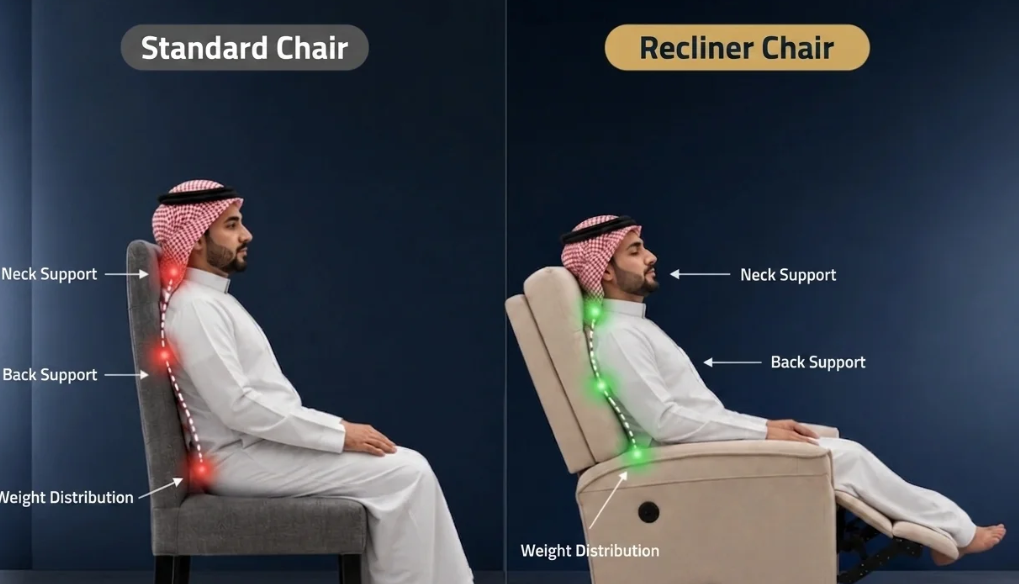
benefits of recliner chair
The benefits of recliner chair extend far beyond simple relaxation, offering comprehensive body support and relieving stress on joints ...
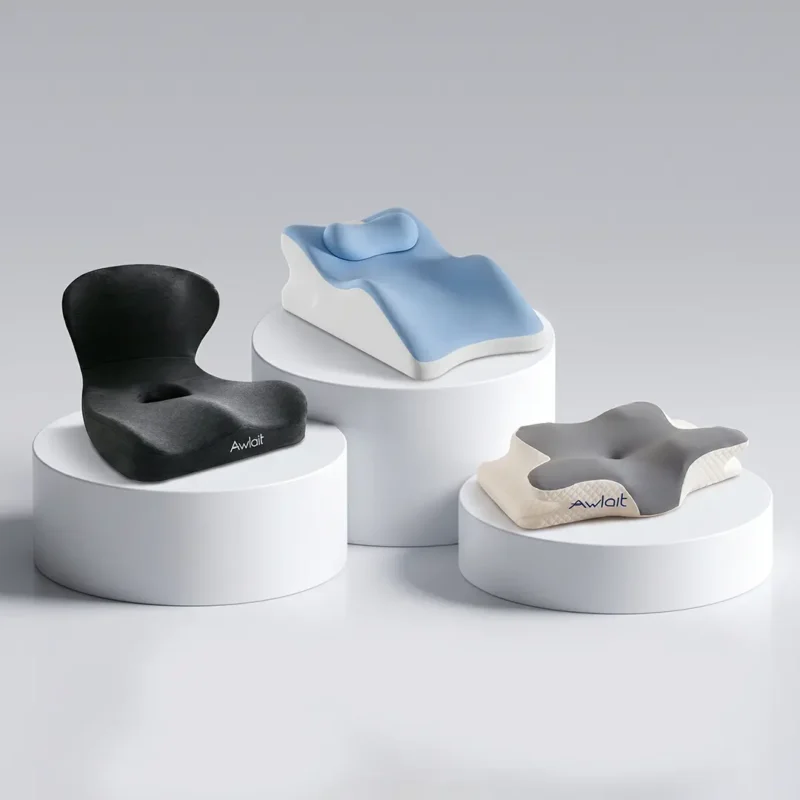
Best Memory Foam Pillows in 2026
The best memory foam pillows are engineered to provide superior cervical support by adapting to the unique contours of your head and ne...
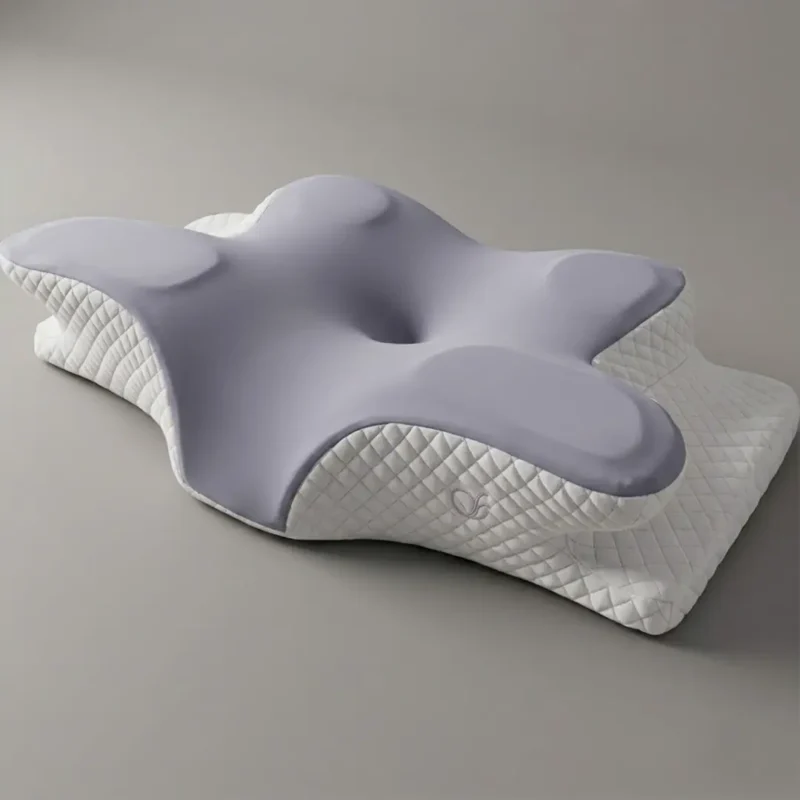
Best Type of Pillow for Neck Pain: Orthopedic Guide by Sleep Position
Finding the best type of pillow for neck pain requires matching your sleep position with the correct loft and material. A misaligned ce...
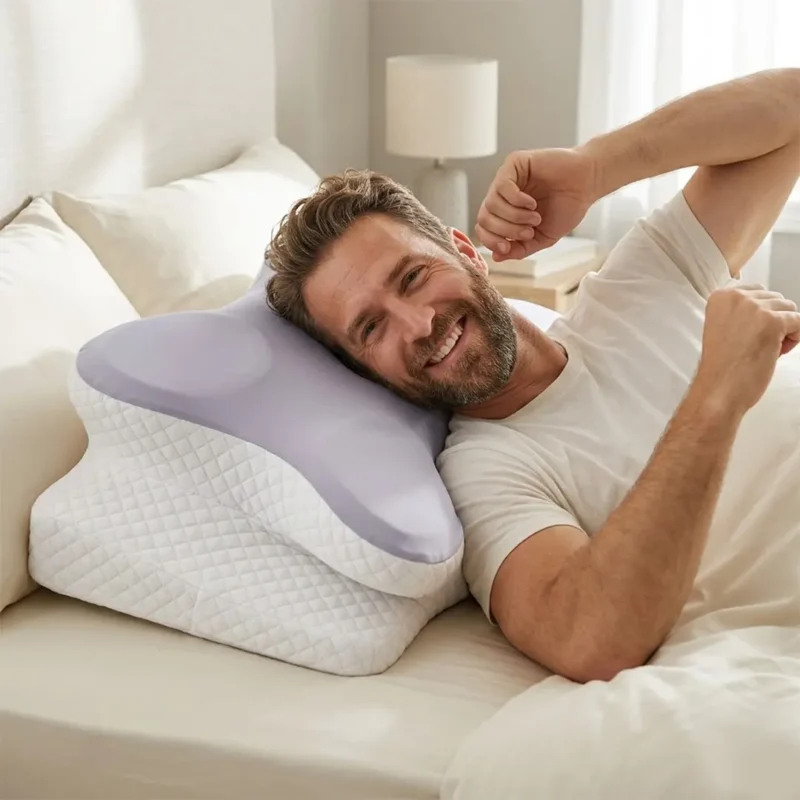
Best Pillow for Sleeping in 2026
Finding the best pillow for sleeping is essential for maintaining spinal health and ensuring restorative rest throughout the night. You...
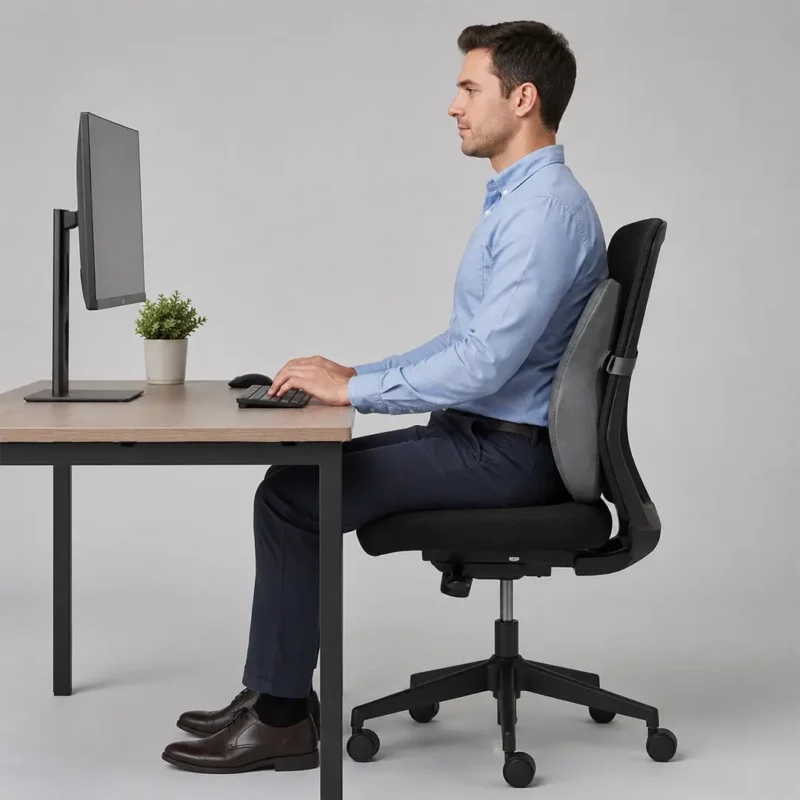
Correct Sitting Posture in Front of Computer
Maintaining correct sitting posture in front of computer screens is absolutely essential to prevent chronic musculoskeletal disorders a...
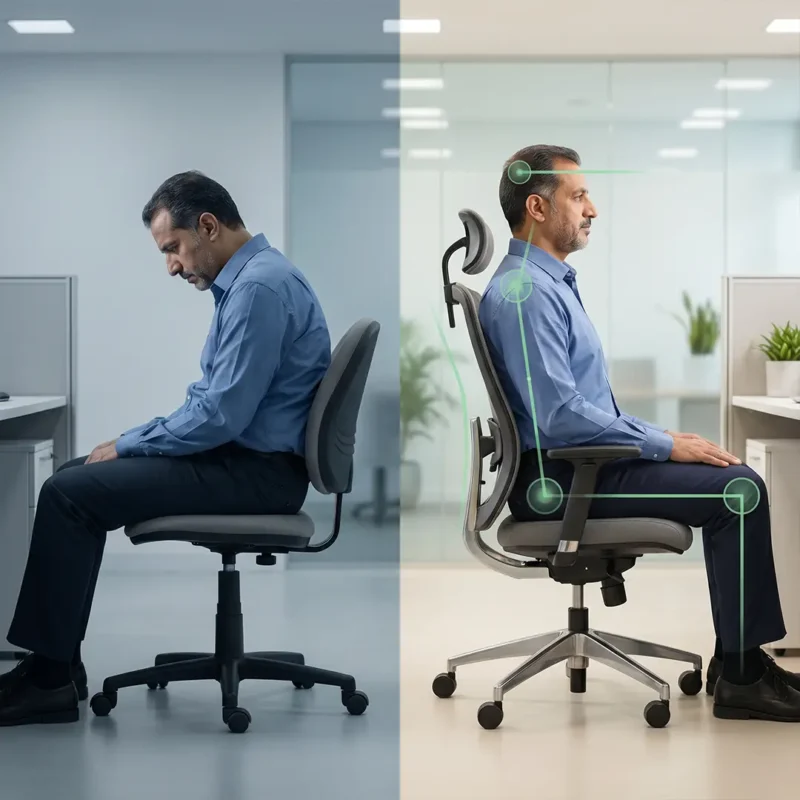
Proper Sitting Posture: How to Sit Correctly for Better Back Health
Proper sitting posture is the simplest way to reduce strain when you work, study, or relax for long hours. It means aligning your feet,...