In celebration of Saudi National Day discount 15% use code Watan














Blog

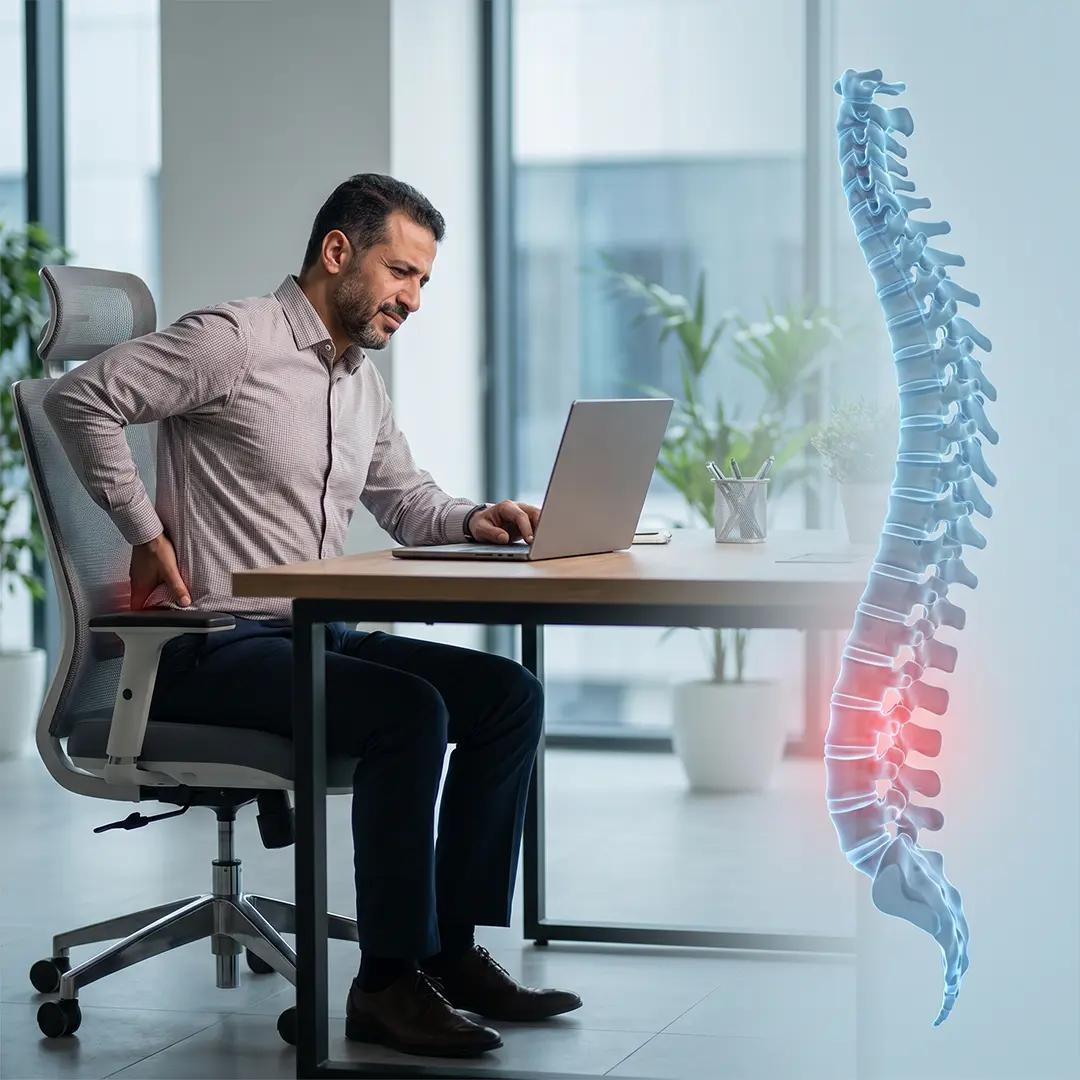
Lower Back Pain When Sitting is one of the most common problems among office workers and people who spend long hours at a desk. Poor posture, prolonged sitting, and spinal disc compression can place excessive stress on the lower back muscles and nerves. Over time, this pressure may lead to stiffness, inflammation, and persistent discomfort. Understanding the real causes of sitting-related back pain is the first step toward improving posture, reducing pressure on the spine, and finding effective long-term relief.
“Most desk-related lower back pain stems from daily movement deficits, not acute structural injuries. True spinal longevity requires intermittent decompression throughout the working hours.”
Why Does Lower Back Pain Happen When Sitting?
The human frame is optimized for dynamic movement rather than prolonged static positions. Remaining seated for extended intervals forces the natural lumbar lordosis to experience profound structural stress, altering weight distribution across the lumbar spine.
Sitting with incorrect posture increases hydrostatic internal disk pressure by up to 40% compared to standing, according to the Nachemson Scale. This mechanical load primarily targets lower lumbar segments, accelerating L4-L5 vertebrae deterioration over time.
The Difference Between S-Cu rve and C-Curve Posture
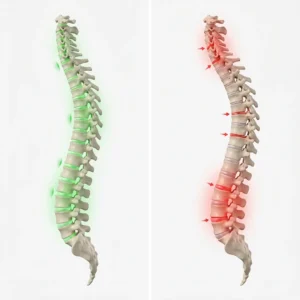
Anatomical alignment relies on keeping the natural S-curve intact to act as a shock absorber. Conversely, an office slump creates a harmful C-curve posture where the pelvis tilts posteriorly.
This configuration stretches posterior ligaments and compresses the anterior side of intervertebral discs. Weak core muscles then fail to stabilize the lumbar region. Understanding proper sitting posture is the primary milestone for sustained sitting posture and back health.
Intradiscal Pressure Comparison on L4-L5 Vertebrae
| Sitting & Standing Positions | Intradiscal Pressure Percentage | Impact Level on Lumbar Discs |
| Supine (Lying Flat) | 25% | Optimal Recovery |
| Standing Upright | 100% | Baseline Load |
| Sitting with Ergonomic Support | 110% | Manageable Strain |
| Slouched Sitting (C-Curve) | 140% – 185% | Critical Risk |
The 6 Most Common Causes of Lower Back Pain From Sitting
Herniated Disc and Disc Compression (L4-L5 Focus)
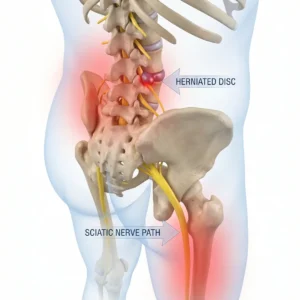
A classic herniated disc occurs when the annulus fibrosus cracks under stress, causing the nucleus pulposus to bulge outward. Sitting intensifies this protrusion as compressed vertebrae pinch nerve roots directly. Patients frequently experience explicit L4-L5 vertebrae compression symptoms, presenting as localized burning, muscular weakness, or a dull ache across the belt line.
Sciatic Nerve Compression While Sitting
The sciatic nerve travels from the lower lumbar segments down to the lower extremities. Unsupportive seating subjects the pelvis to prolonged pressure, irritating this neural tract. Consequently, achieving sciatica pain relief while sitting becomes exceptionally challenging without active postural modifications.
Muscular strain remains localized, whereas sciatic compression radiates sharp, electric pain down the gluteal muscles and thighs. Managing this requires targeted positional releases and learning how to relieve tailbone pain while sitting safely.
Other Common Causes
Several everyday muscular and environmental factors play a massive role in creating lower back pain when sitting:
- Core Muscle Deconditioning: Weakness within the transverse abdominis decreases pelvic stabilization.
- Acute Muscular Strain: Overworked paraspinal muscles experience micro-tears compensating for poor chair setups.
- Piriformis Syndrome: A tight piriformis muscle traps the underlying sciatic nerve during extended sessions.
- Lack of Lumbar Support: Flat-backed chairs deprive the lumbar spine of its physical foundation.
- Static Fluid Stagnation: Immobilization blocks the natural nutritional imbibition required for disc health.
“Correct sitting posture does not mean maintaining a perfectly rigid, static frame. Active and regular dynamic movement every 30 to 45 minutes is exponentially more valuable than holding a fixed position all day.”
Warning Signs: When Is Lower Back Pain Serious?
First Signs of L4-L5 Compression You Shouldn’t Ignore
Paying close attention to how your body responds to extended sitting helps identify progressive neurological symptoms early. If you exhibit signs like tingling across the outer thigh, foot weakness, or sharp pain running past the knee, you are likely experiencing classic L4-L5 vertebrae compression symptoms.
Seek immediate emergency medical evaluation if you encounter these clinical “Red Flags”:
- Sudden loss of bowel or bladder control (Cauda Equina Syndrome).
- Progressive numbness spreading through the saddle/perineal region.
- Severe, unremitting deep bone pain that intensifies when lying flat at night.
Muscle Pain vs. Nerve Pain: Quick Diagnostic Guide
Muscular discomfort presents as a dull, heavy ache across the lower lumbar region, responding well to rest, gentle heat, and minor positional shifts. Conversely, neural irritation feels like a sharp, shooting electric shock following specific pathways down the leg, remaining highly resistant to simple positional adjustments.
Decision Tree: Diagnosing Your Lumbar Pain Type
| Symptom Type | Possible Cause | Recommended Focus |
| Widespread Dull Ache / Stiff Muscles | Likely Musculoskeletal Strain | Focus on Posture & Core Stability |
| Sharp / Shooting Electric Shock down Leg | Likely Neural Entrapment / Sciatica | Requires Decompression & Medical Review |
Correct Sitting Posture to Prevent and Relieve Lower Back Pain
The Ideal Sitting Position: Step-by-Step
Modern spine research shows that maintaining an open hip angle between 100 and 110 degrees significantly reduces internal intradiscal pressures compared to a strict 90-degree posture.
Configure your primary workstation using this sequence:
- Adjust seat height so your feet rest flat on the floor, with knees horizontally aligned with or slightly below hips.
- Slide your pelvis backward until your lower back firmly meets the built-in lumbar support.
- Align your monitor so the top third of the screen sits directly at eye level to prevent forward head tilt.
- Position your keyboard close enough that your elbows remain bent at a natural 90-degree angle by your sides.
Adopting this setup ensures you maintain a proper correct sitting posture in front of computer terminals to protect spinal health.
Dynamic Sitting vs. Static Sitting
Remaining locked in a single posture causes structural fluid stagnation and reduces regular nutrient exchange within intervertebral discs. Kinetic strategies strongly emphasize dynamic sitting over rigid immobility. Implementing micro-movements, like small pelvic tilts using flexible chair mechanisms, helps pump vital nutrients back into the discs.
Ergonomic Solutions: Chair Setup, Lumbar Support & Desk Optimization
How to Choose the Right Back Support for Your Chair
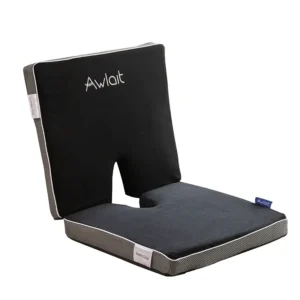
A properly placed support should fit snugly into the natural inward curve of your lower back, right above the belt line. Using an advanced, high-density Back Support Cushion provides the reliable structural foundation needed to counteract an unsupportive desk chair and prevent harmful spinal slouching.
The Coccyx Cushion: Who Needs It and Why
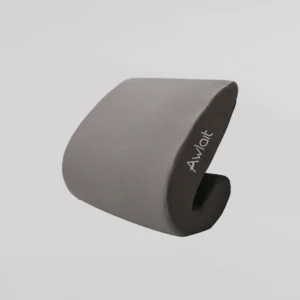
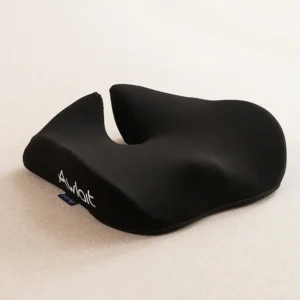
Slouching shifts body weight directly onto the tailbone, causing localized pressure, chronic coccydynia, and deep discomfort. Using an ergonomically contoured coccyx cushion redistributes weight away from vulnerable bony areas. Its distinct U-shaped cutout suspends the tailbone in the air to relieve pressure. Reviewing deep analyses on what is the best seat cushion for lower back pain helps select the ideal foam density.
Car Drivers & Long Commuters: Back Support on the Road
Driving subjects the spine to unique physical stresses. Vehicle vibrations combined with continuous pedal operation force the pelvis into an unsupportive posterior tilt. Installing a specialized Back Support for Car helps damp road vibrations while keeping your pelvis in a neutral position, significantly reducing lower back pain when sitting during long commutes.
Comparison Matrix of Lumbar Support Interventions
| Support Device Type | Primary Mechanical Benefit | Best Suited For | Potential Drawback |
| Orthopedic Lumbar Roll | Targeted lordosis preservation | Standard office chairs | Limited lateral stabilization |
| Anatomical Coccyx Cushion | Suspends tailbone pressure | Hard surfaces & coccydynia | Requires correct chair height |
| Automotive Back Support | Dampens road vibrations | Long-distance driving | May require strap adjustments |
Fast Relief: How to Relieve Lower Back Pain From Sitting Right Now
5 Stretches You Can Do at Your Desk
If you experience an unexpected flare-up of lower back pain when sitting, these movements reduce muscular tension, promote blood circulation, and decompress loaded spinal segments directly from your workspace:
- Seated Spinal Twist: Sit upright, place left hand on right knee, and rotate torso right for 20 seconds.
- Seated Piriformis Stretch: Cross right ankle over left knee, keep spine tall, and lean forward slightly.
- Desk-Assisted Hip Flexor Release: Stand, extend one leg back into a shallow lunge, and tuck your pelvis forward.
- Seated Cat-Cow: Rest hands on knees, alternate between arching your back and rounding your spine.
- Posterior Pelvic Tilt: Contract abdominal muscles, pressing your lower back firmly into your chair for 5 seconds.
Sciatica Relief: Specific Positions and Movements
Achieving effective sciatica pain relief while sitting requires positional adjustments that open neural pathways rather than overstretching irritated tissue. Keep your hips angled slightly above your knees and avoid crossing your legs. Apply an ice pack for 15 minutes to reduce acute inflammation, then switch to a heating pad to relax tight paraspinal muscles.
The 30-30-30 Recovery Rule
Adopting specific sitting rules avoids chronic lower back pain when sitting over years of office work. This structured recovery sequence ensures regular physical breaks without disrupting your workflow:
30 Minutes of Continuous Sitting: 3 Minutes of Standing Work: 30 Seconds of Active Decompression Stretches
Sleep, Mattress & Nighttime Recovery for Lower Back Pain
How Poor Sleep Position Worsens Daytime Back Pain
Your body relies on sleep to repair and rehydrate compressed intervertebral discs. However, sleeping on an unsupportive mattress causes your spine to twist, preventing muscles from recovering fully.
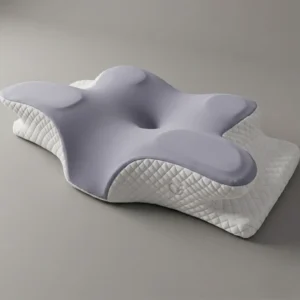
To support natural alignment, place an anatomically contoured cervical pillow under your neck to align your upper spine. This nighttime care ensures your body recovers, preventing structural lower back pain when sitting during the day.
The Multi-Position Pillow: Versatile Recovery Tool
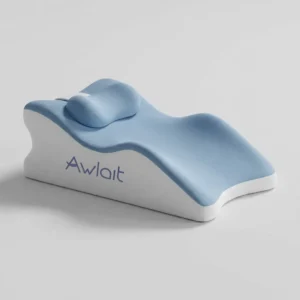
Standard bed pillows often fail to provide customized structural support. Investing in an adaptable Multi Position Pillow allows you to customize your support setup. Placing it between your knees while side sleeping keeps your pelvis square, preventing painful twisting forces across the L4-L5 vertebrae, while placing it under your knees when back sleeping flattens and relieves the lumbar spine.
When to See a Doctor: A Clear Decision Guide
Track your specific symptoms over time to determine when to seek professional medical intervention:
- Weeks 1-2 (Acute Muscle Fatigue): Implement Ergonomic Chair Adjustments & 30-30-30 Rule.
- Weeks 3-6 (Persistent Dull Ache): Consult a Physical Therapist for Targeted Core Stabilization.
- Weeks 6+ (Chronic Neurological Pain): Seek Specialist Orthopedic Consultation & Diagnostic MRI Imaging.
“Effective lumbar support must continuously maintain the natural curve of the spine without pushing the pelvis forward uncomfortably. True dynamic relief is achieved by balancing external support with regular movement.”— Dr. Sarah Jenkins, Director of Ergonomic Research
FAQ Section
Why does my lower back hurt whenever I sit down?
Sitting increases internal disc pressure by up to 40% compared to standing upright. When you adopt a slouched C-curve posture, you place massive mechanical strain on your lumbar ligaments and muscles. This structural overloading is the primary reason why individuals experience persistent lower back pain when sitting at office desks.
How do I relieve lower back pain from sitting?
To achieve immediate relief, adopt the 30-30-30 recovery rule to break up long periods of immobility. Additionally, adjusting your workspace to maintain a hip angle of 100 to 110 degrees helps reduce spinal compression. Utilizing high-density supportive cushions can also prevent recurring lower back pain when sitting during long shifts.
Why does my back hurt when I sit without support?
Sitting without proper pelvic support forces your lumbar spine to lose its natural lordotic alignment entirely. As a result, your deep lower back muscles must contract continuously to keep your upper body balanced. This constant muscular overwork leads to rapid fatigue, metabolic waste accumulation, and structural aches.
What are the first signs of L4-L5 compression?
The earliest indicators of severe disc compression typically include localized numbness, tingling sensations, or shooting pain radiating down into the glutes. You might also notice distinct muscular weakness when attempting to flex your foot upward. If these symptoms intensify while bending forward or sitting down, schedule a professional diagnostic MRI assessment promptly.
Taking proactive control of your workstation layout is the most effective way to eliminate debilitating spinal strain permanently. By combining active movement breaks with specialized orthopedic cushions, you can fully protect your intervertebral discs from excessive pressure. Investing in your workspace ergonomics today ensures that lower back pain when sitting no longer limits your professional productivity or long-term health.

Related posts
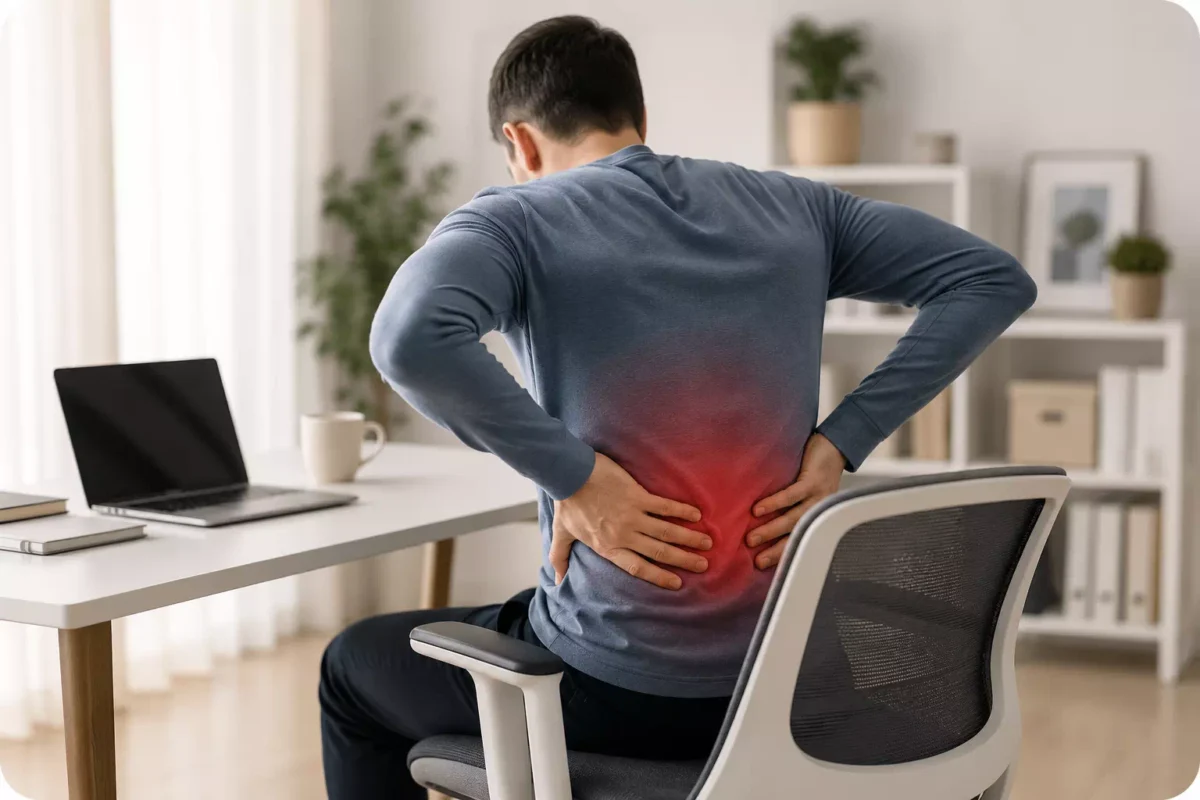
How to Ease Lower Back Pain

How to Ease Lower Back Pain: Safe Home Care, Exercises, and Warning Signs
The best way to ease lower back pain is usually to remain ge...

Herniated Disc Pain Relief
Herniated Disc Pain Relief
Herniated Disc Pain Relief starts with gentle activity, brief rest, supportive sitting and sleeping positio...
Best Recliner for Back Pain
Best Recliner for Back Pain: The Ultimate Ergonomic
Finding the best recliner for back pain requires selecting a seat built on ergono...
How to Choose a Recliner Chair
How to Choose a Recliner Chair: An Ergonomic & Buyer's Guide
Learning How to Choose a Recliner Chair comes down to evaluating your...
Recliner Chair Prices
Awlait recliner chair prices currently start from SAR 1,269 and can reach SAR 2,815, depending mainly on the selected reclining mechani...
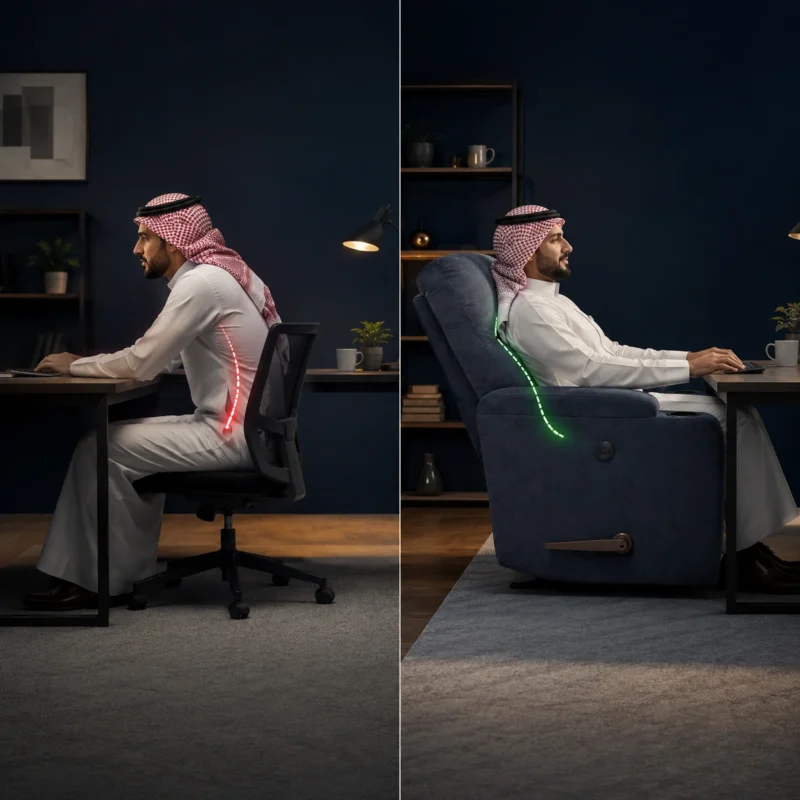
How to Relieve Back Pain
Learning how to relieve back pain requires a structured, step-by-step approach. It begins with applying cold therapy to soothe lumbar m...
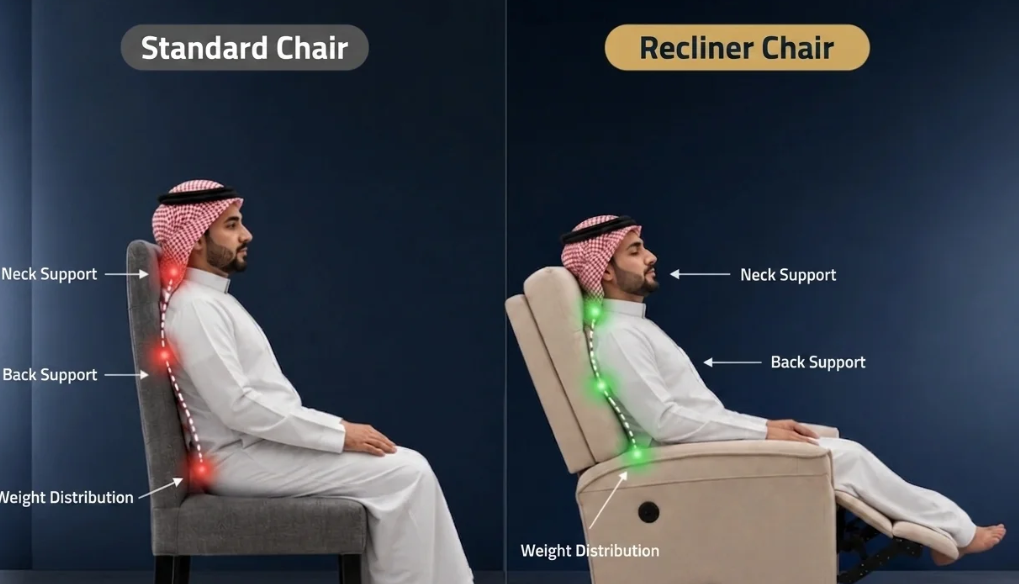
benefits of recliner chair
The benefits of recliner chair extend far beyond simple relaxation, offering comprehensive body support and relieving stress on joints ...
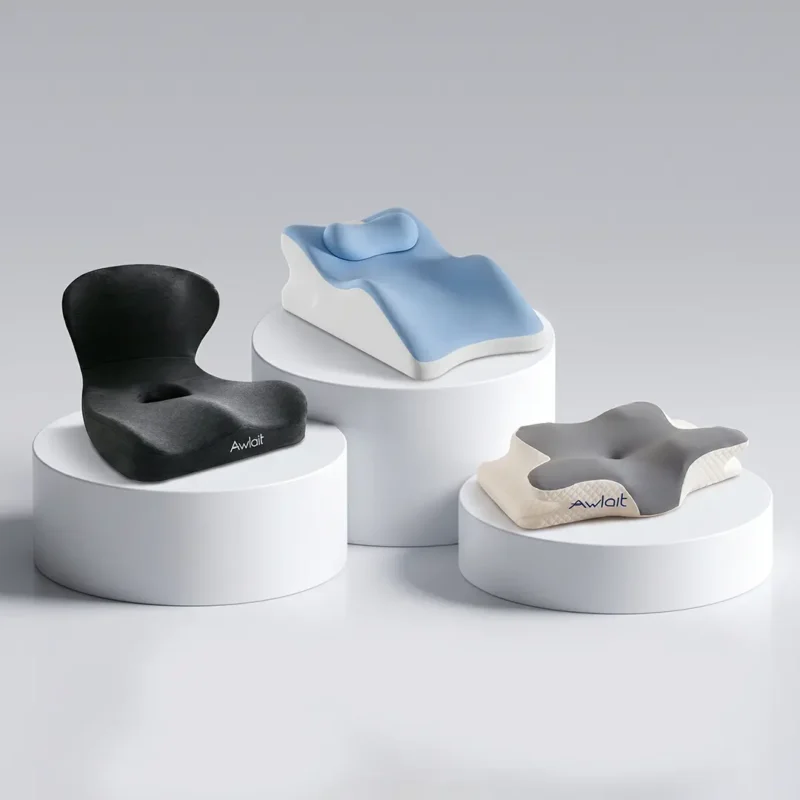
Best Memory Foam Pillows in 2026
The best memory foam pillows are engineered to provide superior cervical support by adapting to the unique contours of your head and ne...
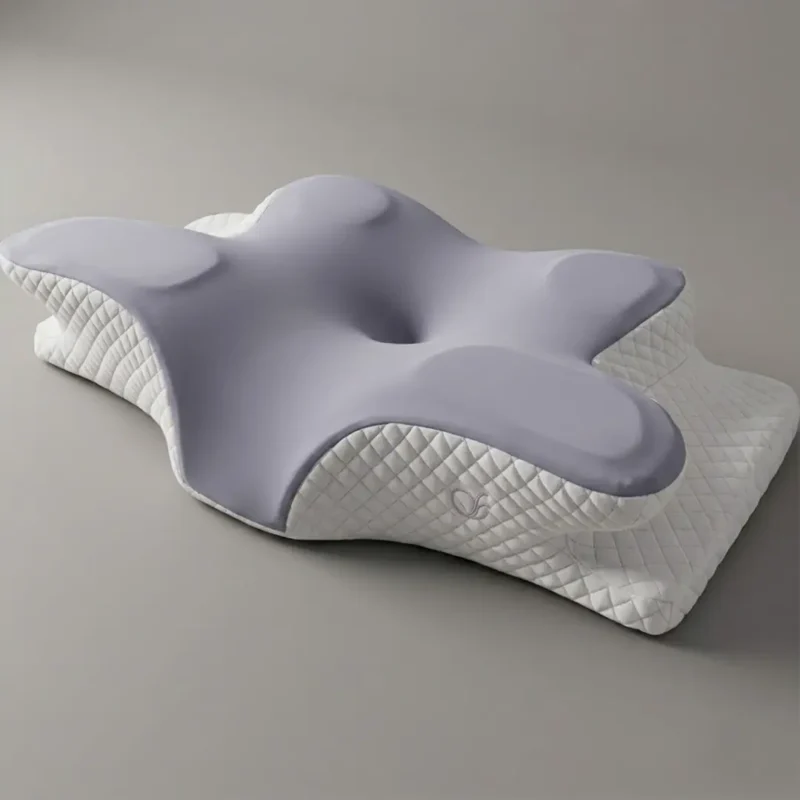
Best Type of Pillow for Neck Pain: Orthopedic Guide by Sleep Position
Finding the best type of pillow for neck pain requires matching your sleep position with the correct loft and material. A misaligned ce...
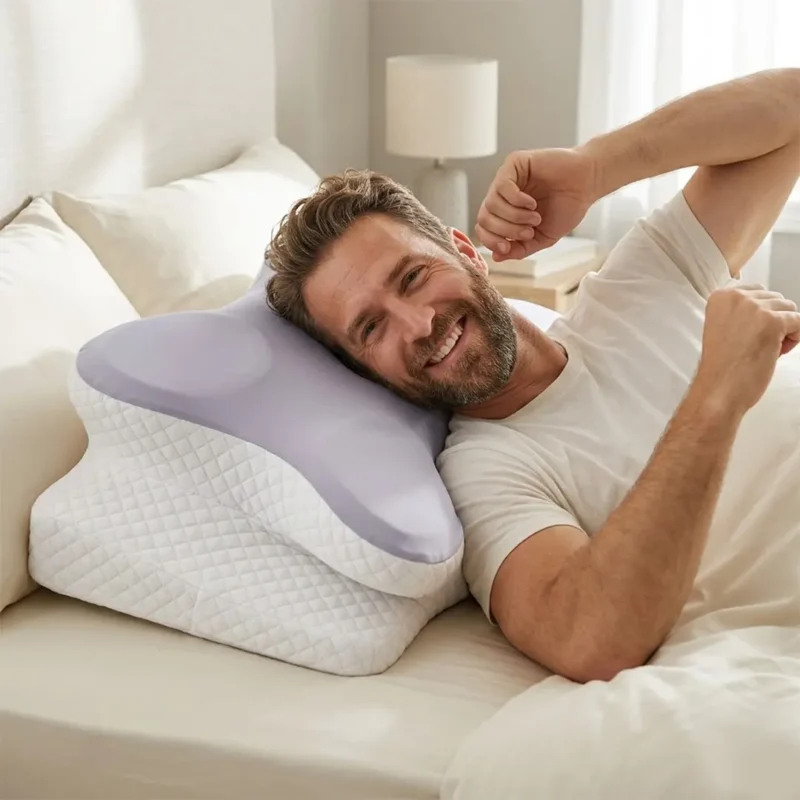
Best Pillow for Sleeping in 2026
Finding the best pillow for sleeping is essential for maintaining spinal health and ensuring restorative rest throughout the night. You...
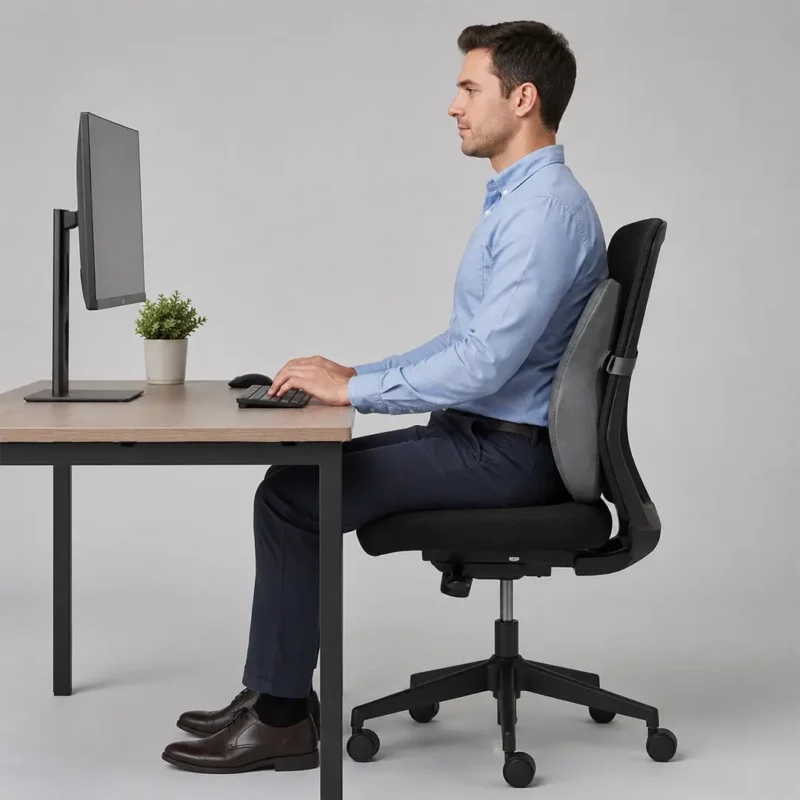
Correct Sitting Posture in Front of Computer
Maintaining correct sitting posture in front of computer screens is absolutely essential to prevent chronic musculoskeletal disorders a...
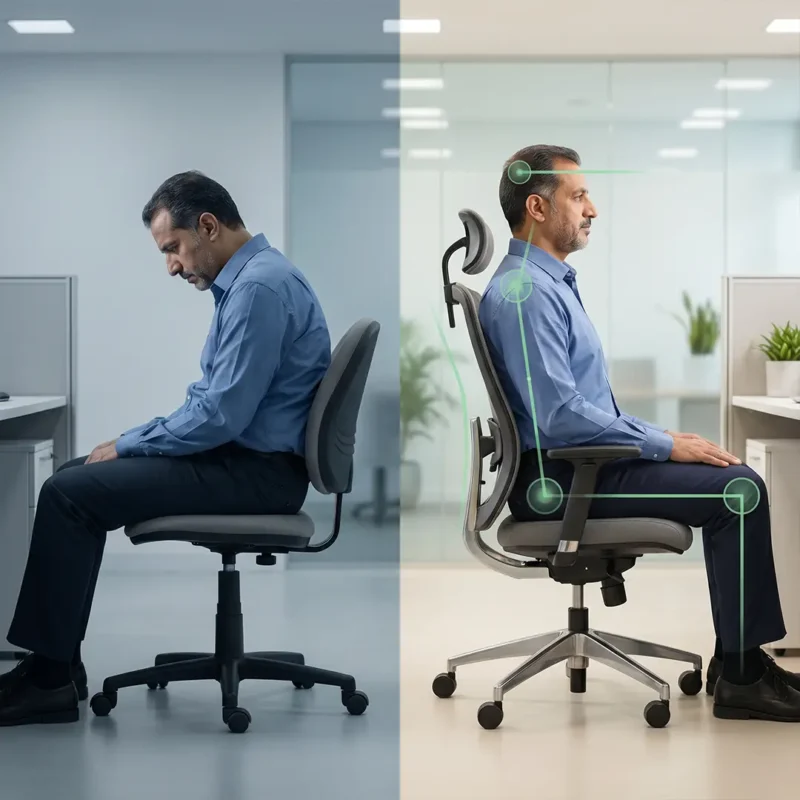
Proper Sitting Posture: How to Sit Correctly for Better Back Health
Proper sitting posture is the simplest way to reduce strain when you work, study, or relax for long hours. It means aligning your feet,...