In celebration of Saudi National Day discount 15% use code Watan





















Blog


Herniated Disc Pain Relief
Herniated Disc Pain Relief starts with gentle activity, brief rest, supportive sitting and sleeping positions, and a treatment plan matched to the location and severity of symptoms. Avoid staying in bed for long periods, change position often, and stop any movement that increases radiating pain, numbness, or weakness. Seek urgent medical care for new bladder or bowel problems, numbness around the saddle area, or worsening weakness, because these signs may indicate nerve compression that should not be managed at home.
How Can Herniated Disc Pain Relief Be Approached Safely?
Start With Activity You Can Tolerate
A herniated disc can irritate a nerve in the lower back or neck, but symptoms vary widely. Some people mainly experience local pain, while others develop pain, tingling, numbness, or weakness that travels into an arm or leg.
That difference matters because the safest plan depends on the affected area and the neurological symptoms present. Herniated Disc Pain Relief commonly begins by reducing the activity that triggered a flare-up without stopping all movement.
Light walking, changing position, and returning gradually to normal daily tasks are generally preferred to prolonged bed rest, provided they do not make symptoms spread or intensify.
What Should You Expect During Recovery?
Recovery does not follow one fixed schedule. Symptoms may improve gradually over several weeks, while some people need physical therapy, medication, imaging, or specialist review.
Slower improvement does not automatically mean surgery is required. Useful signs of progress include less pain, better sleep, easier movement, and no new weakness.
Persistent symptoms, worsening numbness, or declining strength should prompt medical review rather than repeated self-treatment.
Expert Insight
Herniated Disc Pain Relief should be individualized. Disc location, symptom direction, numbness, weakness, pregnancy, age, and other health conditions can change what is appropriate. Stop any movement that sends pain farther into an arm or leg and seek professional advice.
When Is a Herniated Disc an Emergency?
Do Not Wait When These Symptoms Appear
New loss of bladder or bowel control, numbness around the genitals or inner thighs, or rapidly worsening weakness can indicate severe nerve compression. These symptoms require urgent assessment and should not be monitored at home.
Neurological Red Flags
- Difficulty starting urination or loss of bladder control
- Loss of bowel control
- Numbness around the saddle area or inner thighs
- New or increasing weakness in an arm or leg
- Increasing difficulty walking or standing
- Severe pain with rapidly progressing neurological symptoms
Symptoms That Need a Medical Appointment
Arrange an appointment if the pain lasts for several weeks, does not respond to basic home measures, or interferes with sleep and work.
Medical review is also appropriate when pain follows an injury or occurs with fever, unexplained weight loss, swelling, or steadily worsening symptoms.
A clinical examination can help determine whether the symptoms are consistent with nerve irritation or another condition. The clinician can then decide whether medication, physical therapy, imaging, or referral is needed.
Herniated Disc Pain Relief at Home


Home care may be reasonable when symptoms are stable and no red flags are present. The purpose of Herniated Disc Pain Relief at home is to maintain safe movement, reduce irritation, and support daily function—not to push a disc back into place.
Movement and Short Rest
Use a short period of rest if the pain becomes intense, then return gradually to movement you can tolerate. Avoid spending hours sitting or lying down without changing position.
Gentle walking around the home or outdoors may be more helpful than remaining still. Break housework, shopping, and lifting into smaller tasks instead of completing everything at once.
Stop and seek advice if pain begins travelling farther down an arm or leg, numbness increases, or new weakness develops.
Cold or Warm Compresses
Cold may feel more comfortable after a recent flare-up, while warmth may help with stiffness or muscle tension.
Use a cloth barrier between the skin and the source of heat or cold, and choose the option that feels more comfortable. These measures can reduce discomfort, but they do not treat the affected disc itself.
Do not place heat or ice directly on the skin or fall asleep on a heating pad. Extra caution is needed when sensation is reduced or circulation problems are present.
Pain Medicines
There is no single “strongest” painkiller that is best for everyone. The safest choice depends on pregnancy, age, stomach ulcers, kidney or heart disease, allergies, and other medicines being taken.
Ask a doctor or pharmacist before using anti-inflammatory medicines or stronger prescription treatments. Do not combine products containing the same active ingredient, increase doses without advice, or use medicine prescribed for someone else.
Medication may provide temporary symptom control, but it should be combined with appropriate movement, activity modification, and professional care when necessary.
Physical Therapy and Herniated Disc Pain Relief Exercises
A physical therapist can assess movement, strength, posture, and the direction of symptoms before choosing a suitable program.
Herniated disc pain relief exercises may involve gentle mobility, gradual trunk strengthening, and safer ways to sit, lift, and perform daily activities.
The wrong exercise can increase radiating pain or numbness. Use general resources such as Back Pain Relief Exercises for education, but perform only movements that are appropriate for your condition and approved by a qualified clinician.
| Approach | Main purpose | When it may help | When to stop | When to seek advice |
| Light movement | Maintain activity | When walking is tolerated | Pain spreads or weakness increases | Normal activity becomes difficult |
| Short rest | Calm a temporary flare | After an aggravating task | Rest becomes prolonged | You cannot return to movement |
| Heat or cold | Reduce discomfort | When it feels soothing | Skin irritation or worse pain | Sensation is reduced |
| Physical therapy | Improve movement and function | After individual assessment | New neurological symptoms | Pain remains persistent |
| Medication | Temporary symptom control | After a safety review | Side effects occur | Before stronger medicines |
Sitting and Sleeping Positions for Better Comfort
No single position guarantees Herniated Disc Pain Relief, but reducing long periods of stillness can make daily life more manageable.
Keep the feet supported, choose a back position that does not increase symptoms, and place frequently used items within easy reach.
Sitting at Work
Set the monitor high enough to reduce neck bending. Keep both feet on the floor or on a footrest, and use light lumbar support if it feels comfortable.
Position the keyboard and mouse close enough to avoid reaching. Avoid working from bed or a very low sofa for extended periods.
Stand, walk, or change position regularly because even a supportive chair cannot replace movement.
Using Comfort Chairs and Recliners
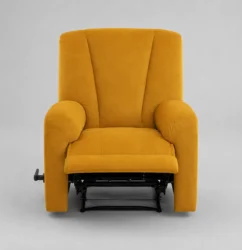
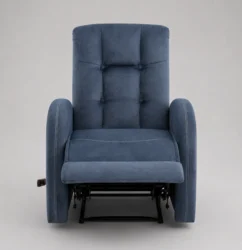
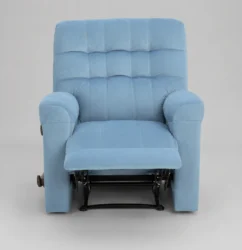
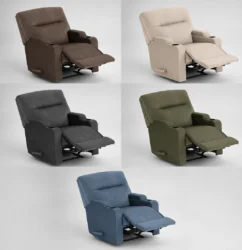
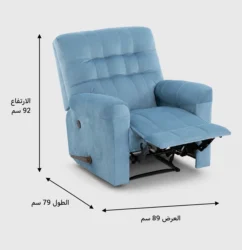
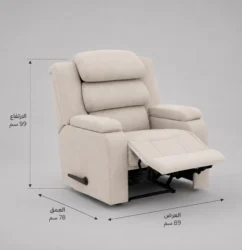
A well-designed Electric Power Recliner Chair may make it easier to change the backrest angle and raise the legs without significant effort.
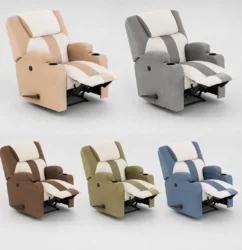
An Adjustable Recliner can also offer several positions for reading, relaxing, or watching television.
You can compare a Power Recliner with a Recliner with Ottoman based on ease of adjustment, available space, and how well the feet are supported.
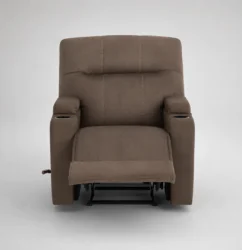
A Brown Recliner Chair is primarily a style choice, while an Office Recliner Chair may suit people who want more positioning options during desk work.
These Comfort Chairs are intended to improve everyday comfort and make position changes easier. They are not medical treatments, do not return a disc to its original position, and should not replace movement or professional care.
Sleeping and Getting Out of Bed
Some people feel more comfortable sleeping on their side with a pillow between the knees. Others prefer sleeping on the back with support under the knees.
Choose the position that keeps the neck and back comfortable without increasing radiating symptoms.
To get out of bed, roll onto your side, move the legs over the edge, and push the body upward with the arms instead of twisting suddenly.
For broader daily guidance, read How to Relieve Lower Back Pain.
Herniated Disc Pain Relief for the Neck
How Cervical Disc Symptoms Differ
Herniated Disc Pain Relief in the neck requires attention to arm and hand symptoms, not just local neck pain.
Cervical nerve irritation may cause pain that travels into the shoulder, arm, or hand, together with tingling, numbness, or weakness.
Not every episode of neck pain is caused by a herniated disc. A medical assessment is particularly important if hand strength is declining, objects are being dropped, or balance and walking are affected.
Daily Adjustments for Neck Strain
Raise the monitor closer to eye level, bring the phone upward instead of bending the head down, and support the forearms while typing.
Change position regularly and avoid carrying a heavy bag on one shoulder. These adjustments can reduce prolonged strain, but they should not be presented as treatment for every cervical disc problem.
Avoid aggressive neck manipulation or random stretching when pain travels into the arm or when weakness or numbness is present.
Expert Insight
Strong massage, forceful stretching, and neck manipulation are not suitable for every case. Stop any movement that increases arm pain, tingling, or weakness, and seek an assessment before continuing.
When Cervical Symptoms Need Assessment
Seek medical review for:
- Hand weakness
- Frequent dropping of objects
- Worsening numbness
- Balance or walking problems
- Pain after a significant injury
- Symptoms that repeatedly disturb sleep and work
Movements and Activities to Modify During a Flare-Up

Herniated Disc Pain Relief does not require avoiding all activity. It means changing movements that clearly worsen symptoms or cause pain to travel farther into an arm or leg.
Lifting and Bending
Avoid combining a rounded back, heavy lifting, and trunk rotation.
Keep the object close to the body, bend through the knees and hips, and ask for help when the load is heavy.
Reduce sudden movements and repetitive tasks during a flare-up, then return to normal activity gradually as symptoms allow.
Prolonged Sitting and Driving
Adjust the seat before driving and break up long journeys when possible.
Do not drive if pain, weakness, or numbness affects safe control of the vehicle. No chair or cushion can compensate fully for uninterrupted sitting.
Position changes and movement breaks remain important even when the seat feels supportive.
Exercises That Increase Symptoms
There is no universal list of exercises that every person with a herniated disc must avoid.
Stop an exercise if it causes pain to spread, increases numbness, or produces weakness. Seek assessment if balance, walking, or strength is affected.
General Back Pain Relief Exercises can support understanding, but they should not replace an individualized plan.
| Activity | Prefer | Avoid during a flare-up | Safer alternative |
| Sitting | Change position | Remaining still for hours | Shorter periods with movement |
| Driving | Adjust the seat | Driving with impaired control | Shorter journeys |
| Lifting | Keep the load close | Bending while twisting | Divide the load |
| Sleeping | Use a comfortable position | Twisting to get up | Roll onto the side first |
| Desk work | Raise the screen | Working from bed | Use an adjusted workstation |
| Exercise | Progress gradually | Ignoring spreading pain | Clinician-guided program |
Herniated Disc Pain Relief During Pregnancy

Expert Insight
A pregnant person should not select medication or an exercise program from an article alone. Treatment choices should be discussed with the obstetric clinician or another professional familiar with the pregnancy and medical history.
Why Pregnancy Needs a Different Plan
Pregnancy changes body-weight distribution, posture, and the suitability of some medicines.
Herniated Disc Pain Relief during pregnancy therefore requires an assessment that separates common pregnancy-related back pain from symptoms of nerve irritation.
The stage of pregnancy, general health, and any additional pregnancy symptoms all affect what is appropriate. New back pain should not automatically be assumed to come from a disc.
Options to Discuss With a Clinician
- Light activity suited to the pregnancy
- Pregnancy-focused physical therapy
- Sitting and sleeping adjustments
- Heat when medically appropriate
- Medication approved by the obstetric clinician or pharmacist
Pregnant people should seek urgent care for increasing weakness, saddle numbness, bladder or bowel changes, severe pain after a fall, or pregnancy symptoms that require obstetric assessment.
Does Smoking Affect a Herniated Disc?
Smoking and Disc Health
Smoking is associated with poorer disc health and a higher risk of disc degeneration.
It is one modifiable risk factor, but it is not the only cause. Age, body weight, genetics, work demands, and repeated lifting can also contribute.
Why Quitting Supports Prevention
Quitting supports general health and removes a factor linked with poorer spinal disc health.
It is most useful as part of a wider plan that includes appropriate activity, safer lifting, and better sitting habits.
Stopping smoking does not guarantee that pain will disappear. Professional support can make a quit plan more realistic and sustainable.
A Practical Daily Relief Plan
Morning
- Roll onto your side before getting out of bed.
- Check for changes in pain, numbness, or weakness.
- Begin with light movement you can tolerate.
- Avoid heavy lifting immediately after waking.
- Follow the plan provided by your clinician.
During Work and Driving
- Adjust the chair, monitor, and foot support.
- Change position regularly.
- Divide heavy tasks into smaller stages.
- Use supportive seating without relying on it alone.
- Monitor whether symptoms travel farther into a limb.
Evening
- Note which activities improved or worsened symptoms.
- Avoid starting unfamiliar exercises during a flare.
- Use an approved comfort measure.
- Check for new neurological symptoms.
- Decide whether medical review is needed.
| Time | What to monitor | Action | Stop or seek help when |
| Morning | Pain and movement | Gentle activity | Weakness or numbness increases |
| Work | Time spent sitting | Change position | Pain begins to spread |
| Driving | Safe vehicle control | Take movement breaks | Driving is no longer safe |
| Evening | Symptom progression | Review the day | A red flag appears |
Frequently Asked Questions About Herniated Disc Pain Relief
How Can I Relieve Herniated Disc Pain at Home?
Use gentle movement, avoid prolonged bed rest, change sitting and sleeping positions, and try heat or cold with skin protection.
Stop activities that increase radiating pain, numbness, or weakness. Seek professional advice if symptoms do not improve or if neurological changes appear.
What Is the Strongest Painkiller for a Herniated Disc?
There is no single strongest option that is safe for everyone.
The best choice depends on age, pregnancy, medical history, other medicines, and the type of pain. Ask a doctor or pharmacist before taking anti-inflammatory or prescription medicines.
Can a Recliner Treat a Herniated Disc?
No. A recliner may make position changes easier and support the legs or back comfortably, but it does not heal a disc or replace medical treatment.
Stop using any position that increases symptoms.
Is Walking Good for a Herniated Disc?
Gentle walking may be appropriate when it does not increase radiating pain, numbness, or weakness.
Start with an amount you can tolerate and progress gradually. Follow professional advice when symptoms are severe or neurological.
Can Pregnancy-Related Herniated Disc Pain Be Treated at Home?
Some comfort measures may be appropriate, but medicines and exercises should be discussed with the obstetric clinician.
Urgent assessment is needed for weakness, bladder or bowel changes, saddle numbness, severe pain after a fall, or concerning pregnancy symptoms.
Does Smoking Make a Herniated Disc Worse?
Smoking is associated with poorer disc health and disc degeneration.
It is not the only cause, but stopping removes a modifiable risk factor and supports overall health.
Herniated Disc Pain Relief is built around safe movement, activity modification, comfortable sitting and sleeping positions, and care matched to individual symptoms.
Medication, rest, and supportive seating may help with comfort, but none should replace proper assessment when pain persists.
Monitor for increasing weakness, saddle numbness, or bladder and bowel changes, and seek urgent care if they appear. When symptoms are stable, gradual movement and a professionally guided plan can support a safer return to normal daily activity.

Related posts
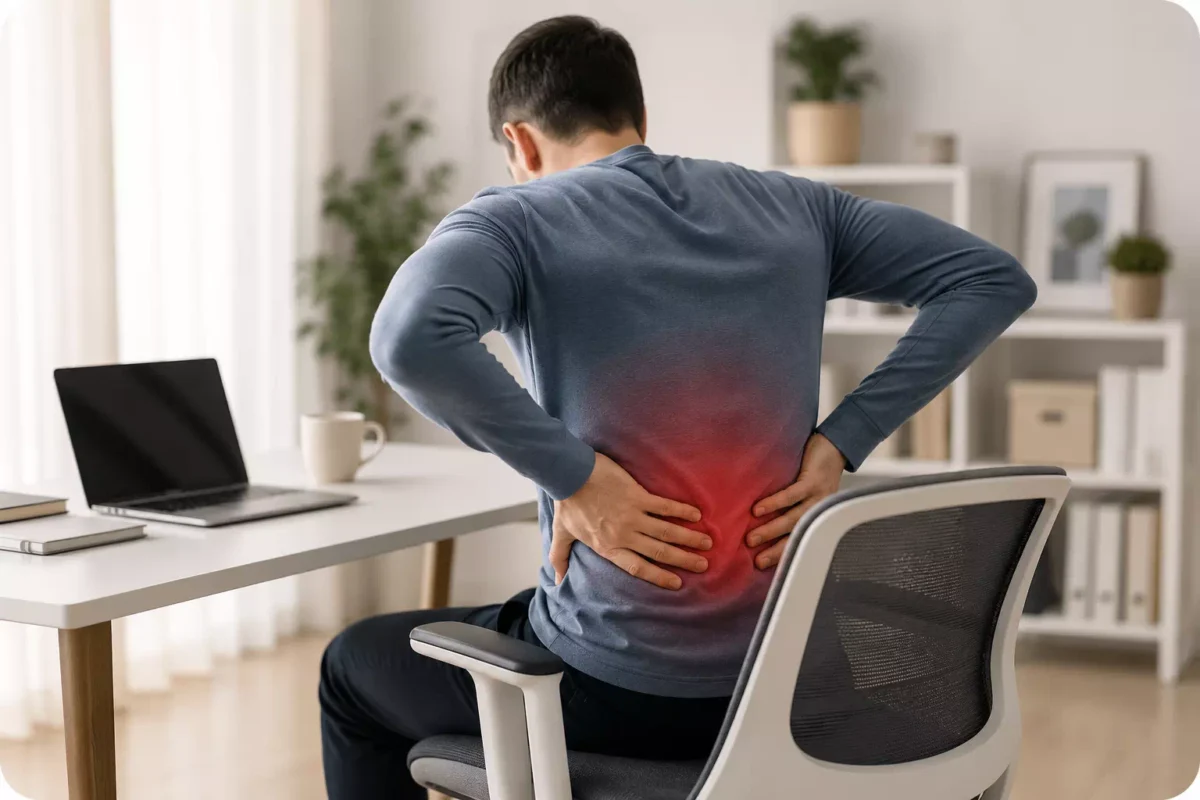
How to Ease Lower Back Pain

How to Ease Lower Back Pain: Safe Home Care, Exercises, and Warning Signs
The best way to ease lower back pain is usually to remain ge...

Herniated Disc Pain Relief
Herniated Disc Pain Relief
Herniated Disc Pain Relief starts with gentle activity, brief rest, supportive sitting and sleeping positio...
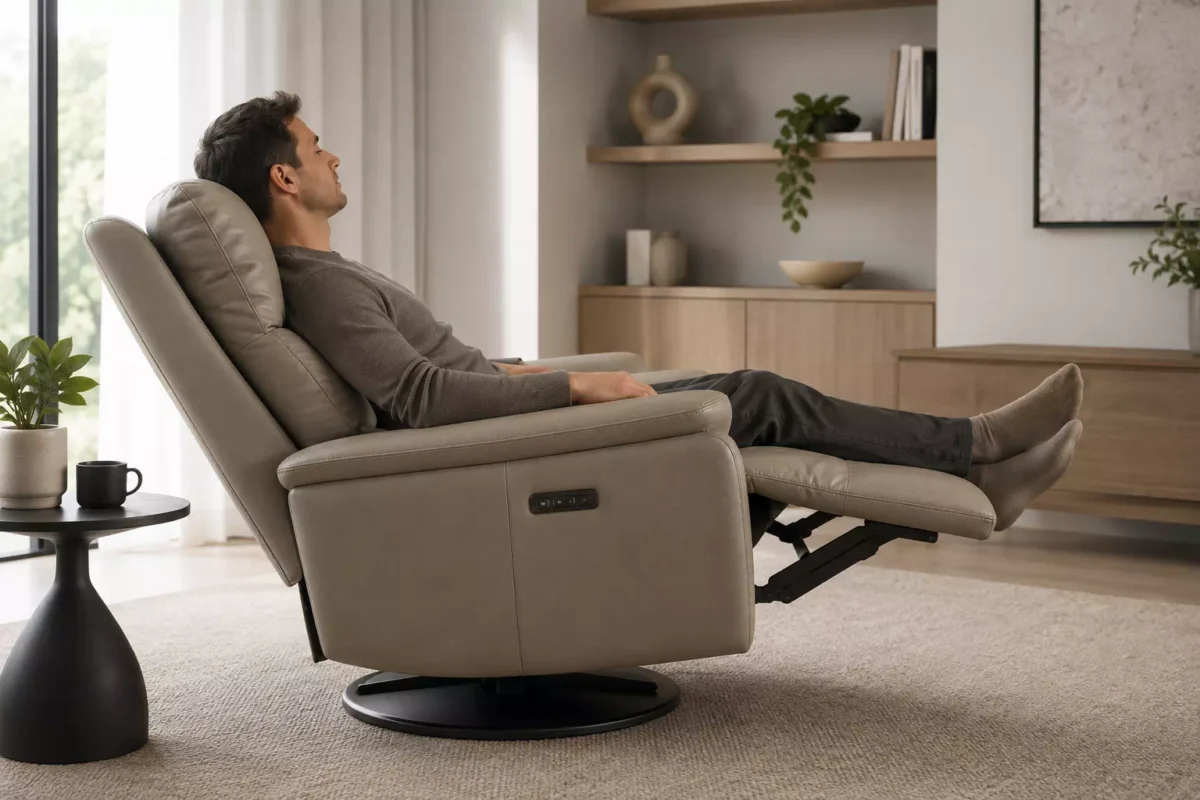
Best Recliner for Back Pain
Best Recliner for Back Pain: The Ultimate Ergonomic
Finding the best recliner for back pain requires selecting a seat built on ergono...

How to Choose a Recliner Chair
How to Choose a Recliner Chair: An Ergonomic & Buyer's Guide
Learning How to Choose a Recliner Chair comes down to evaluating your...
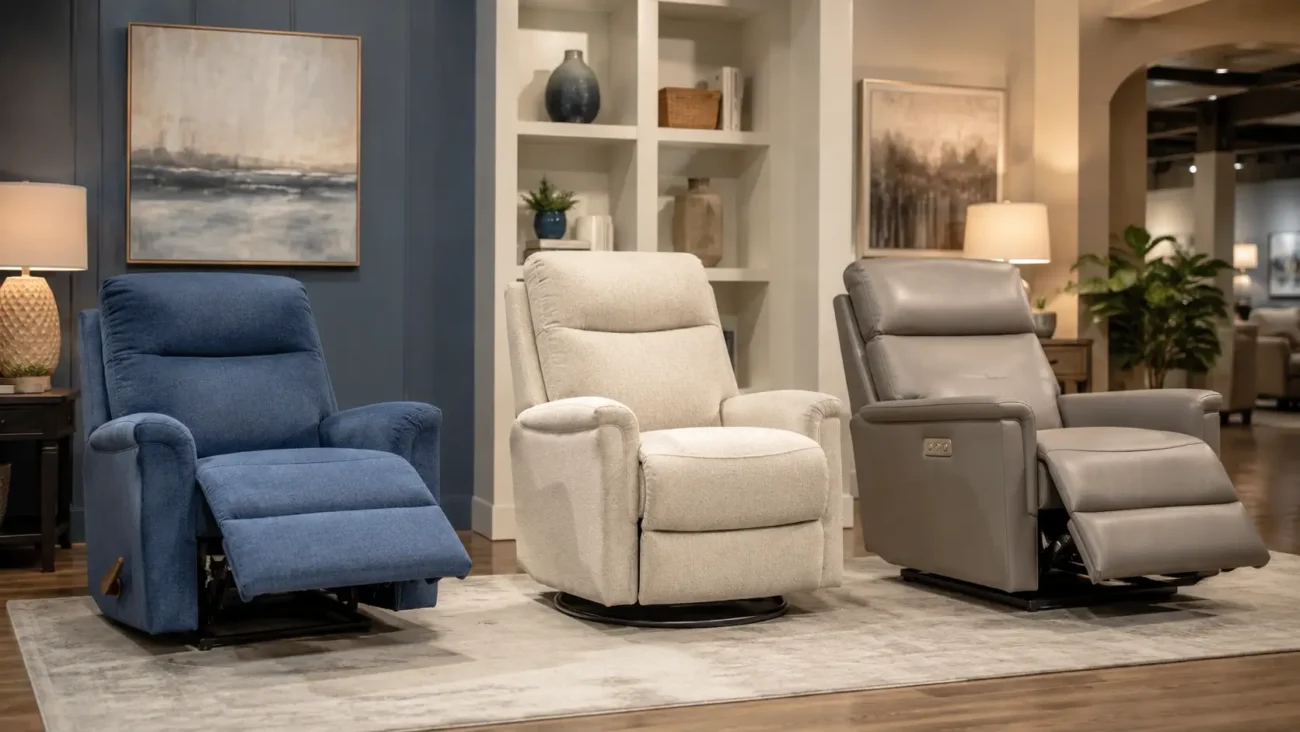
Recliner Chair Prices
Awlait recliner chair prices currently start from SAR 1,269 and can reach SAR 2,815, depending mainly on the selected reclining mechani...
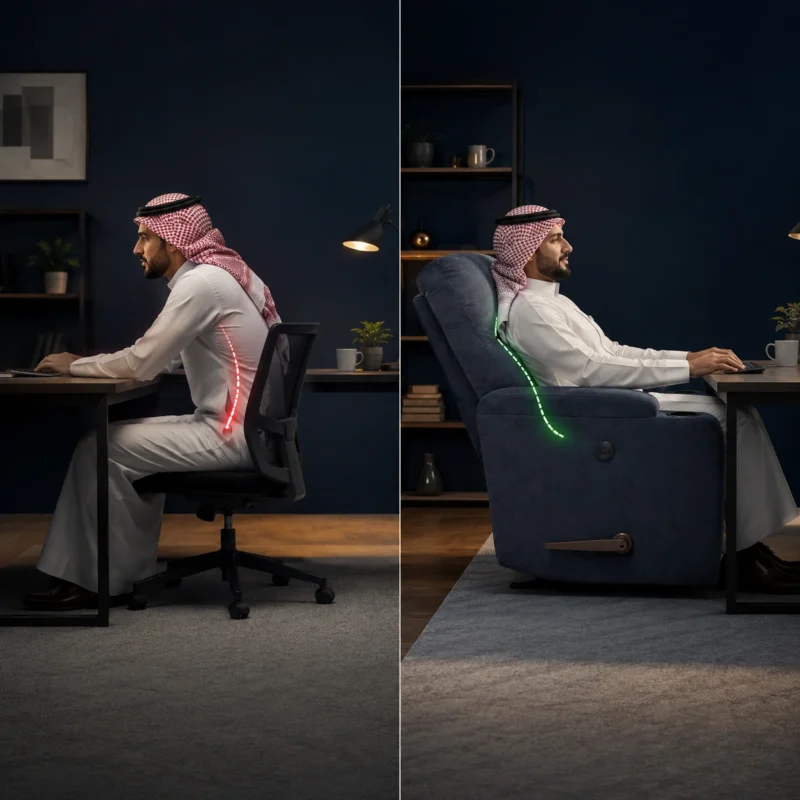
How to Relieve Back Pain
Learning how to relieve back pain requires a structured, step-by-step approach. It begins with applying cold therapy to soothe lumbar m...
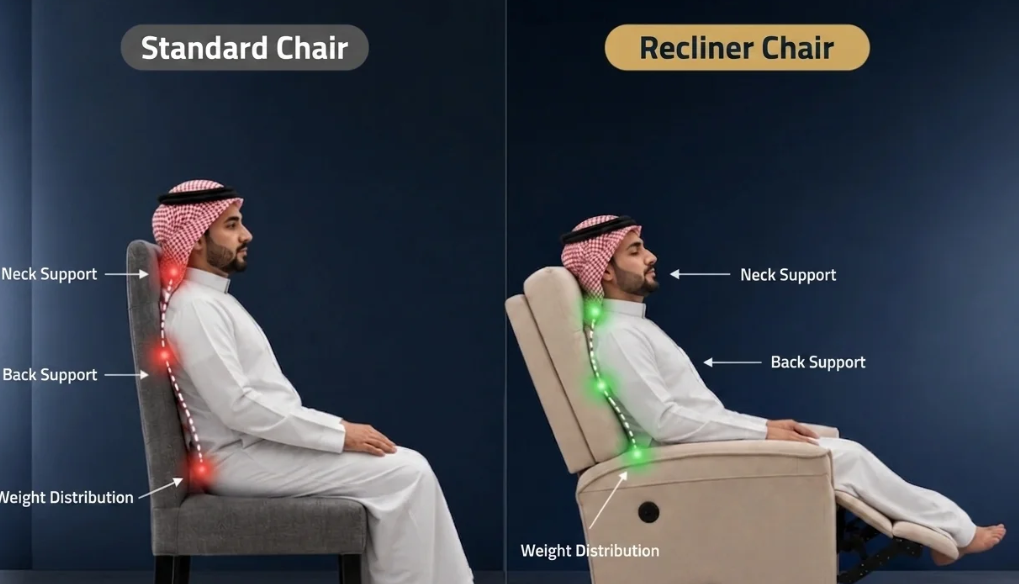
benefits of recliner chair
The benefits of recliner chair extend far beyond simple relaxation, offering comprehensive body support and relieving stress on joints ...
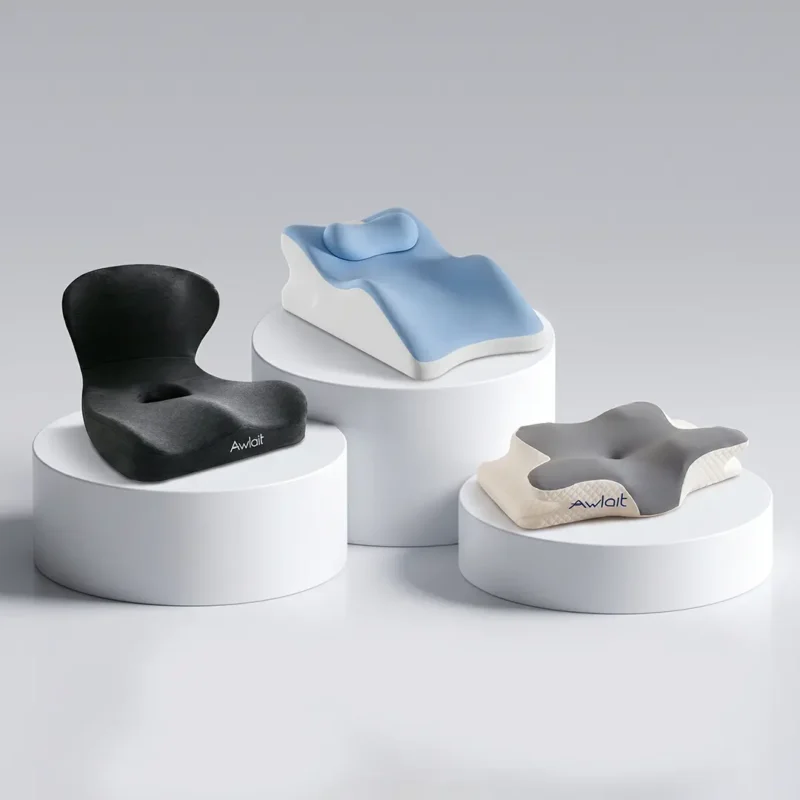
Best Memory Foam Pillows in 2026
The best memory foam pillows are engineered to provide superior cervical support by adapting to the unique contours of your head and ne...
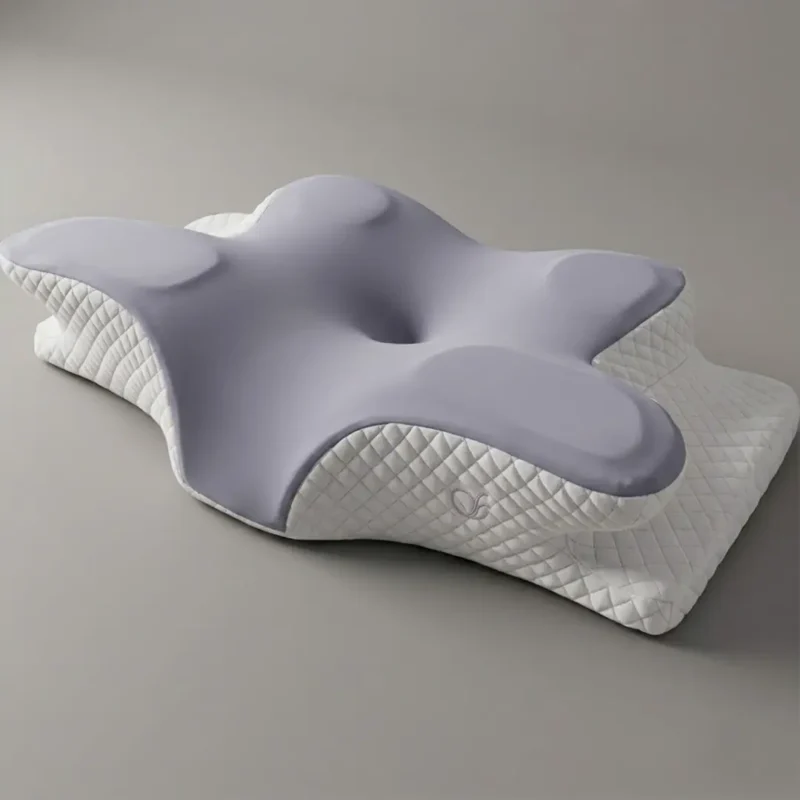
Best Type of Pillow for Neck Pain: Orthopedic Guide by Sleep Position
Finding the best type of pillow for neck pain requires matching your sleep position with the correct loft and material. A misaligned ce...
Best Pillow for Sleeping in 2026
Finding the best pillow for sleeping is essential for maintaining spinal health and ensuring restorative rest throughout the night. You...
Correct Sitting Posture in Front of Computer
Maintaining correct sitting posture in front of computer screens is absolutely essential to prevent chronic musculoskeletal disorders a...
Proper Sitting Posture: How to Sit Correctly for Better Back Health
Proper sitting posture is the simplest way to reduce strain when you work, study, or relax for long hours. It means aligning your feet,...