In celebration of Saudi National Day discount 15% use code Watan










Blog

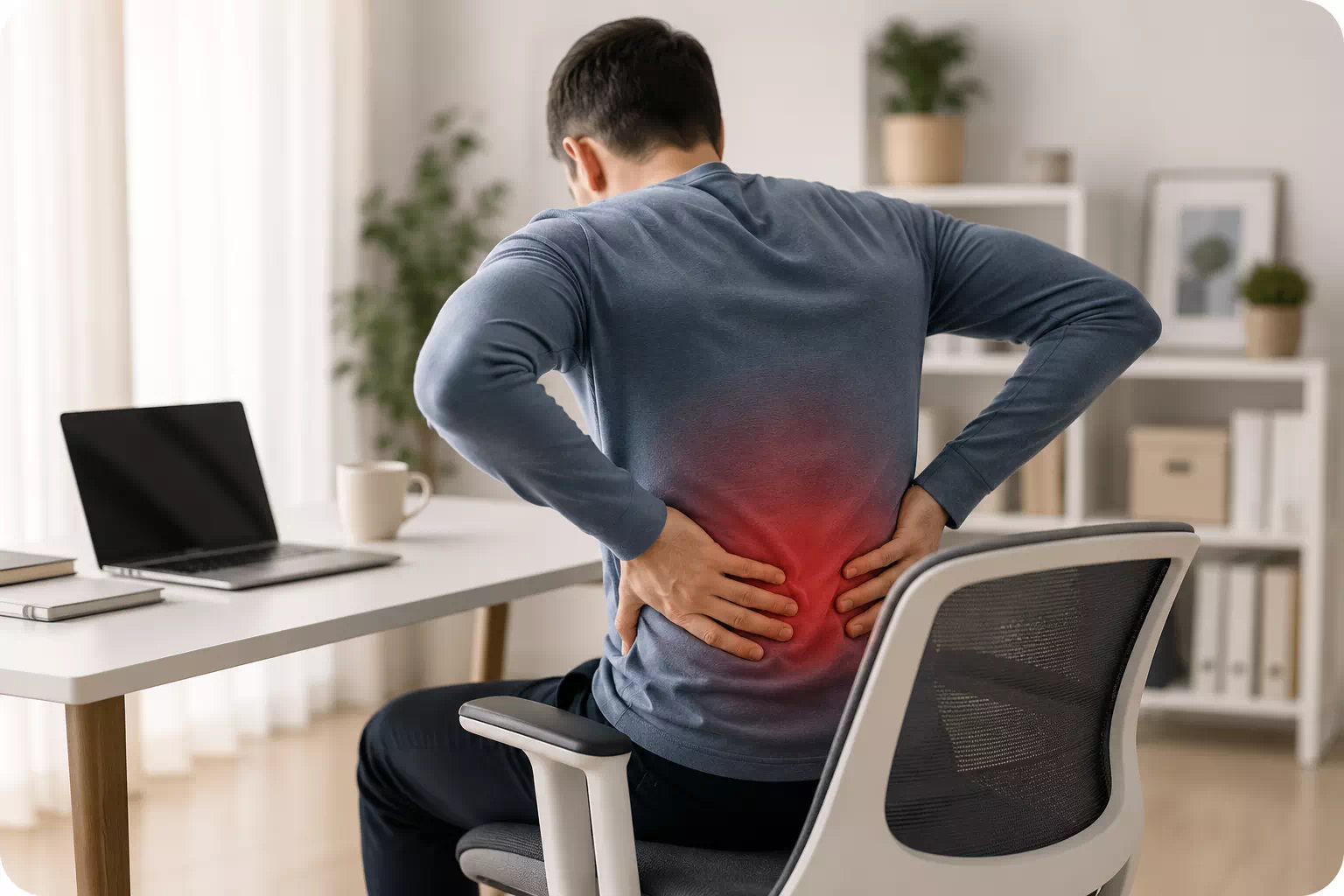
How to Ease Lower Back Pain: Safe Home Care, Exercises, and Warning Signs
The best way to ease lower back pain is usually to remain gently active, avoid prolonged bed rest, use heat or cold for short-term comfort, and gradually return to normal movement. Improving your sitting and sleeping positions may also reduce unnecessary strain.
Most episodes of uncomplicated lower back pain improve with time and conservative care. However, pain accompanied by leg weakness, numbness around the groin, or changes in bladder or bowel control requires urgent medical assessment.
Common Causes of Lower Back Pain

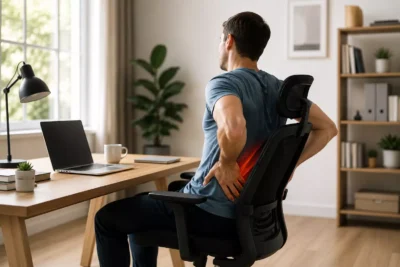
Lower back pain does not always indicate serious damage. In many cases, it develops from muscle strain, prolonged sitting, reduced activity, or sudden movements. Other cases may be related to a spinal, joint, or inflammatory condition that requires professional evaluation.
Muscular and Postural Causes
Common mechanical causes include:
- Sitting for long periods without changing position.
- Slouching or sitting without adequate lower-back support.
- Lifting a heavy object while bending or twisting.
- Sudden increases in exercise or physical workload.
- Weakness or reduced endurance in the abdominal, hip, and back muscles.
- Sleeping in a position that places sustained strain on the lower back.
Pain caused by muscle or postural strain may feel like aching, tightness, stiffness, or discomfort that changes with movement or position.
Medical Causes
Persistent or radiating pain may sometimes be associated with:
- A herniated disc: A spinal disc may irritate or place pressure on a nearby nerve.
- Sciatica: Nerve-related pain that may travel from the lower back into the buttock, thigh, calf, or foot.
- Inflammatory arthritis: Conditions such as ankylosing spondylitis or psoriatic arthritis can cause ongoing lower-back stiffness, particularly after rest.
- Spinal stenosis: Narrowing around the spinal nerves that may cause pain, weakness, or heaviness in the legs.
- Osteoporosis-related fractures: More likely after a fall or in people with weakened bones.
- Kidney or abdominal conditions: Some internal conditions can produce pain that feels as though it comes from the back.
A healthcare professional can help distinguish common muscular pain from conditions that require testing or specialized treatment.
When Is Lower Back Pain an Emergency?
Seek emergency medical care if lower back pain is accompanied by:
- New loss of bladder or bowel control.
- Difficulty starting urination or being unable to tell when the bladder is full.
- Numbness around the genitals, buttocks, or inner thighs.
- Severe or rapidly worsening weakness in one or both legs.
- Back pain following a serious fall, collision, or other major injury.
These symptoms may indicate significant pressure on the nerves at the base of the spine. NHS guidance recommends urgent assessment when back or leg pain occurs with bladder, bowel, or saddle-area sensory changes. See the NHS information on cauda equina syndrome warning signs.
Arrange a medical evaluation promptly if:
- The pain is severe and worsening quickly.
- You have a fever, chills, or feel generally unwell.
- The pain regularly wakes you at night or does not change with position.
- You have unexplained weight loss.
- You have a history of cancer, osteoporosis, serious infection, or long-term steroid use.
- Pain travels down the leg with persistent numbness or weakness.
- Symptoms are not improving after several weeks.
For additional guidance, review the NHS page on back pain and when to get medical help.
How to Ease Lower Back Pain at Home
1. Stay Gently Active
Avoid remaining in bed for long periods. Short, comfortable walks and light daily activity can help prevent stiffness and loss of muscle strength.
You may need to reduce strenuous activities for a few days, but complete inactivity is rarely helpful for uncomplicated back pain. Return to normal tasks gradually and change position regularly.
Both NICE guidance on lower back pain and MedlinePlus home-care guidance encourage appropriate activity rather than prolonged bed rest.
2. Use Heat or Cold Safely
Heat and cold may both provide short-term comfort, although individual responses vary.
Cold packs may be useful when:
- Pain began after a recent strain or minor injury.
- The area feels swollen or irritated.
- Cooling feels more comfortable than heat.
Wrap the cold pack in a towel and avoid placing it directly on the skin.
Heat may be useful when:
- Muscles feel tight or stiff.
- The discomfort is related to prolonged sitting.
- Warmth makes gentle movement easier.
Apply a wrapped heat pack for approximately 15–20 minutes and check the skin regularly. Do not sleep on a heating pad.
MedlinePlus suggests that ice may be used during the first 48–72 hours after a recent injury before changing to heat. This is a general guideline rather than a strict rule, so use the option that feels comfortable unless a healthcare professional has advised otherwise.
3. Consider Over-the-Counter Pain Relief Carefully
Some people use over-the-counter pain relievers to remain active while symptoms settle. However, these medicines are not suitable for everyone.
Non-steroidal anti-inflammatory drugs such as ibuprofen can interact with other medicines and may be unsuitable for people with stomach ulcers, kidney disease, cardiovascular conditions, certain types of asthma, or pregnancy.
Follow the product label and speak with a pharmacist or doctor before taking pain medication if you:
- Have an existing medical condition.
- Take prescription medicines.
- Are pregnant or breastfeeding.
- Are unsure which medicine is appropriate.
- Need pain relief for more than a few days.
4. Change Position Regularly
There is no single perfect posture that should be maintained all day. Even a supportive position can become uncomfortable when held for too long.
Try to:
- Stand or walk briefly every 30–60 minutes.
- Keep both feet supported when sitting.
- Avoid sitting with a wallet or bulky object under one side of the pelvis.
- Position screens near eye level.
- Keep frequently used objects within easy reach.
- Use the chair’s backrest instead of leaning forward continuously.
5. Avoid Heavy Lifting During a Flare-Up
Temporarily avoid movements that clearly increase pain, particularly heavy lifting combined with bending and twisting.
When lifting becomes comfortable again:
- Move close to the object.
- Keep your feet apart for balance.
- Bend through the hips and knees.
- Keep the object close to your body.
- Turn with your feet rather than twisting your lower back.
Sitting Positions That May Reduce Lower-Back Strain
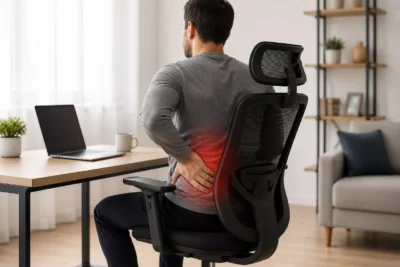
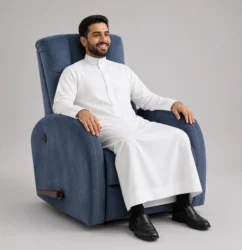
A supportive chair should allow your back to contact the backrest without forcing you into an uncomfortable shape. Your feet should rest on the floor or a stable footrest, and your hips and knees should remain comfortable.
A slightly reclined position may feel better than sitting rigidly upright, particularly during rest. However, a recliner should not be treated as a substitute for regular movement, physical therapy, or medical care.
| Feature | Unsupported Upright Seating | Supportive or Reclined Seating |
| Backrest | May leave the lumbar area unsupported | Can support the natural lower-back curve |
| Body weight | Concentrated mainly through the pelvis | Distributed across a larger contact area |
| Leg support | Often absent | May include an adjustable footrest |
| Position changes | Usually limited | Allows different resting positions |
| Best use | Short tasks when posture is maintained | Reading, resting, or changing position |
| Main limitation | Can encourage slouching and fatigue | Can encourage inactivity if used for too long |
For work that requires typing or precise desk tasks, a properly adjusted office chair is usually more suitable than a deeply reclined chair. Recliners are better used for comfortable breaks, reading, television, or relaxation.
Proper Sleeping Positions for Lower Back Pain
The best sleeping position is one that feels comfortable and allows the spine, hips, and legs to remain supported.
Sleeping on Your Back
Place a pillow beneath your knees. This may reduce tension through the hips and help maintain a comfortable lower-back position.
A small rolled towel may also be placed beneath the lower back if it feels supportive, but remove it if it increases pain.
Sleeping on Your Side
Keep the knees slightly bent and place a pillow between them. This can reduce rotation through the pelvis and prevent the upper leg from pulling the lower back forward.
Avoid curling tightly into a ball if that increases stiffness.
Sleeping on Your Stomach
Stomach sleeping may increase lower-back arching for some people. Placing a thin pillow beneath the lower abdomen or pelvis may make the position more comfortable.
Choosing a Mattress
There is no single mattress firmness that works for everyone. Choose a mattress that:
- Keeps the body supported without excessive sinking.
- Allows you to change position comfortably.
- Does not create obvious pressure points.
- Feels supportive according to your usual sleeping position and body type.
Replace or repair a mattress if it has deep sagging that causes the pelvis to sink unevenly.
Sleeping Positions During Pregnancy
Lower back discomfort is common during pregnancy because of changes in body weight, posture, and the position of the pelvis.
The American College of Obstetricians and Gynecologists recommends side sleeping later in pregnancy. Helpful adjustments include:
- Keeping one or both knees slightly bent.
- Placing a pillow between the knees.
- Supporting the abdomen with another pillow.
- Using a full-length body pillow if needed.
- Turning onto your side if you wake up on your back, without panicking.
See ACOG’s guidance on back pain during pregnancy and sleeping positions during pregnancy.
Pregnant women should speak with their maternity-care professional before starting new exercises or taking pain medication.
Exercises That May Help Ease Lower Back Pain
Exercise should be gentle and controlled. Stop if a movement produces sharp pain, new numbness, weakness, or pain that travels farther down the leg.
People with a recent injury, osteoporosis, pregnancy, previous spinal surgery, or a diagnosed spinal condition should seek professional advice before beginning a new exercise program.
Knee-to-Chest Stretch
- Lie on your back with both knees bent.
- Bring one knee gently toward your chest.
- Hold it without forcing the movement.
- Return the foot to the floor.
- Repeat on the other side.
This stretch may help some people with muscular tightness. Skip it if bending the spine increases pain or leg symptoms.
Cat-Cow Movement
- Begin on your hands and knees.
- Slowly round your back within a comfortable range.
- Gradually move in the opposite direction without forcing a deep arch.
- Continue slowly for several repetitions.
The purpose is gentle spinal movement, not maximum flexibility.
Glute Bridge
- Lie on your back with your knees bent and feet on the floor.
- Tighten your abdominal and buttock muscles gently.
- Lift your hips until your shoulders, hips, and knees form a comfortable line.
- Hold briefly.
- Lower slowly.
Avoid lifting so high that the lower back becomes excessively arched.
Bird-Dog
- Begin on your hands and knees.
- Tighten your abdominal muscles gently.
- Extend one leg behind you without rotating your pelvis.
- Add the opposite arm only when you can remain stable.
- Return slowly and repeat on the other side.
This movement develops control around the trunk without requiring heavy spinal loading.
Modified Side Plank
Begin with your knees bent and support your upper body on one forearm. Lift your hips slightly while keeping your shoulders and pelvis aligned.
This exercise may not be appropriate during an acute painful flare-up. Start only when basic movement is comfortable.
What Are the McGill Big Three Exercises?
The “McGill Big Three” refers to three trunk-endurance exercises associated with spine researcher Dr. Stuart McGill:
- The modified curl-up.
- The side plank.
- The bird-dog.
These exercises are designed to challenge the muscles around the spine while limiting repeated bending. They are not a universal treatment plan, and correct technique matters. A physiotherapist can modify them according to your symptoms, fitness level, and medical history.
Treating Pain Directly Above the Buttocks
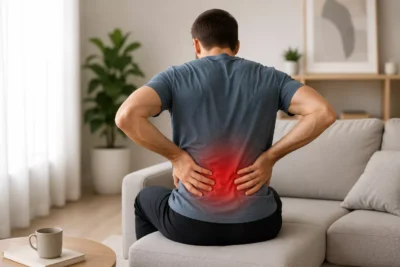
Pain above the buttocks may come from several nearby structures, including:
- Lower-back muscles.
- The sacroiliac joints.
- The tailbone or surrounding tissues.
- Lumbar facet joints.
- A spinal disc or nerve.
- Hip muscles and tendons.
Because these structures are close together, location alone cannot confirm the cause.
For mild pain, try gentle walking, avoiding uneven sitting, and supporting both feet. Do not repeatedly press, stretch, or manipulate the area aggressively.
Seek professional assessment if the pain:
- Began after a fall.
- Is strongly concentrated on one side.
- Travels into the leg.
- Causes numbness or weakness.
- Worsens when coughing or sneezing.
- Persists despite several weeks of appropriate self-care.
Can a Recliner Help with Lower Back Comfort?
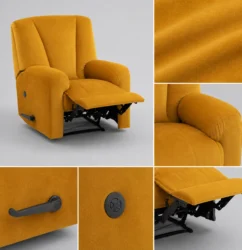
A recliner cannot diagnose or treat the cause of lower back pain. However, an adjustable, well-supported chair may help some people find a more comfortable resting position by:
- Supporting the lower back and upper body.
- Allowing the backrest angle to be changed.
- Supporting the legs during rest.
- Reducing the need to remain in one fixed position.
- Making transitions between upright and reclined positions easier.
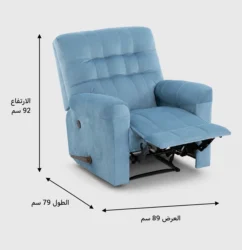
Choose a chair based on fit and adjustability rather than medical claims. Your feet, thighs, lower back, shoulders, and head should feel supported without pressure behind the knees.
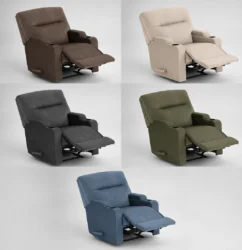
Supportive Seating Options
- Electric Power Recliner Chair: Suitable for users who prefer effortless position changes using electric controls.
- Adjustable Recliner: Provides multiple positioning options for reading and relaxation.
- Swivel Rocking Recliner Chair: Combines reclining, rocking, and swivel movement for flexible living spaces.
- Grey Recliner Chair: A neutral design with adjustable resting positions for home use.
- Recliner with Ottoman: Provides separate leg support that can be repositioned according to comfort.
Compare more models in the Comfort Chairs collection or review the main Recliner Chair page.
Important: Supportive furniture should complement movement and appropriate healthcare. It should not be presented as a cure for sciatica, a herniated disc, arthritis, or any other medical condition.
How to Prevent Lower Back Pain from Returning
No strategy can prevent every episode, but these habits may reduce avoidable strain:
- Change sitting and standing positions regularly.
- Build activity levels gradually.
- Strengthen the abdominal, hip, and back muscles.
- Use appropriate lifting technique.
- Avoid sudden increases in exercise intensity.
- Adjust your desk, screen, and chair to fit your body.
- Take breaks during long journeys.
- Maintain a body weight that supports your general health.
- Address sleep problems and persistent stress.
- Seek early professional advice when symptoms repeatedly interfere with daily activities.
For broader guidance, see How to Relieve Back Pain.
Frequently Asked Questions
What Is the Fastest Way to Relieve Lower Back Pain?
For uncomplicated muscular pain, the most helpful first steps are usually gentle movement, short periods of heat or cold, avoiding prolonged bed rest, and temporarily modifying activities that clearly aggravate the pain.
There is no instant cure that works for every cause. Severe, radiating, or persistent symptoms require assessment.
Should I Use Heat or Ice for Lower Back Pain?
Either may provide temporary relief. Cold may feel helpful after a recent strain, while heat may be more comfortable for stiffness or muscle tightness.
Use a protective layer, limit each application to around 15–20 minutes, and stop if the skin becomes painful, numb, or discolored.
Does Rheumatism Cause Lower Back Pain?
Some inflammatory rheumatic diseases can affect the lower back and sacroiliac joints. Warning signs may include prolonged morning stiffness, pain that improves with activity rather than rest, recurring symptoms, or pain beginning at a younger age.
A rheumatologist or other qualified clinician should evaluate suspected inflammatory pain.
How Should Pregnant Women Sleep to Reduce Lower Back Pain?
Side sleeping with the knees slightly bent is generally recommended later in pregnancy. A pillow between the knees and another beneath the abdomen may improve comfort and pelvic support.
What Causes Pain Above the Buttocks?
Possible causes include muscle strain, sacroiliac joint irritation, tailbone pain, hip-related tension, or irritation involving a spinal joint, disc, or nerve. A physical examination may be necessary to identify the source.
When Should I Consult a Doctor?
Arrange an appointment if lower back pain is severe, recurring, worsening, affecting sleep or mobility, travelling down the leg, or failing to improve after several weeks.
Seek emergency care for new bladder or bowel changes, numbness around the groin or buttocks, or rapidly worsening leg weakness.
Learning how to ease lower back pain begins with safe movement, sensible symptom management, and recognizing when professional care is necessary. Avoid prolonged inactivity, change position regularly, and introduce stretching or strengthening gradually.
Explore Awlait’s Comfort Chairs to compare adjustable seating options designed for everyday support and relaxation.

Related posts
How to Ease Lower Back Pain

How to Ease Lower Back Pain: Safe Home Care, Exercises, and Warning Signs
The best way to ease lower back pain is usually to remain ge...
Herniated Disc Pain Relief
Herniated Disc Pain Relief
Herniated Disc Pain Relief starts with gentle activity, brief rest, supportive sitting and sleeping positio...
Best Recliner for Back Pain
Best Recliner for Back Pain: The Ultimate Ergonomic
Finding the best recliner for back pain requires selecting a seat built on ergono...
How to Choose a Recliner Chair
How to Choose a Recliner Chair: An Ergonomic & Buyer's Guide
Learning How to Choose a Recliner Chair comes down to evaluating your...
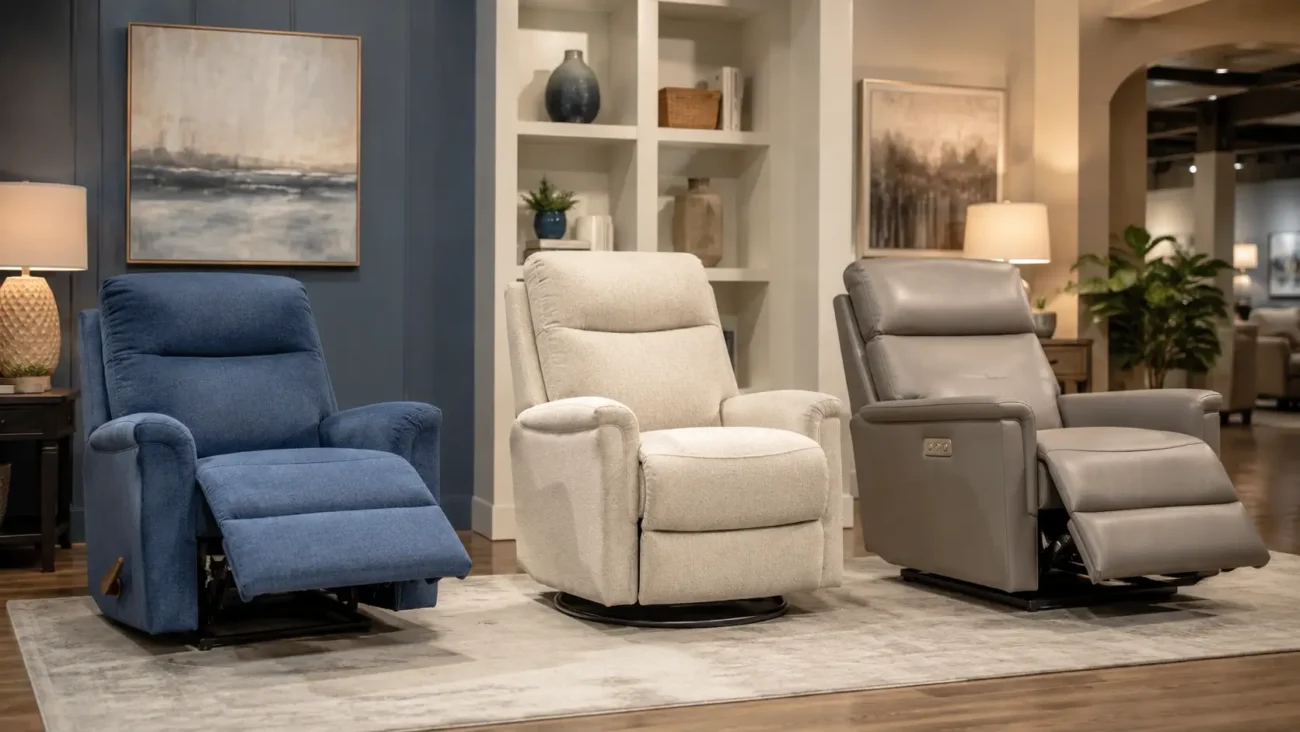
Recliner Chair Prices
Awlait recliner chair prices currently start from SAR 1,269 and can reach SAR 2,815, depending mainly on the selected reclining mechani...
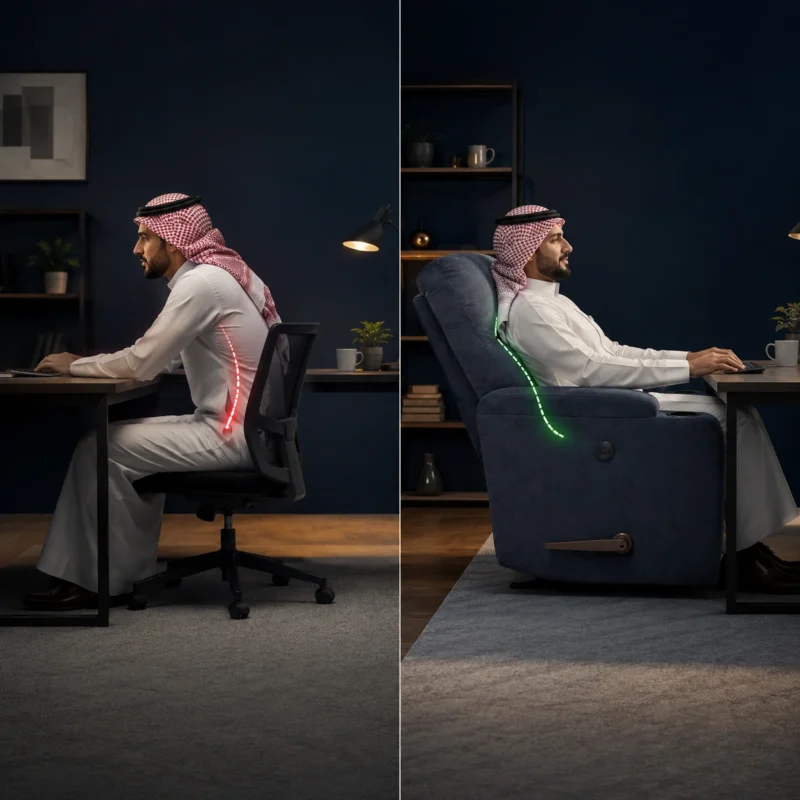
How to Relieve Back Pain
Learning how to relieve back pain requires a structured, step-by-step approach. It begins with applying cold therapy to soothe lumbar m...
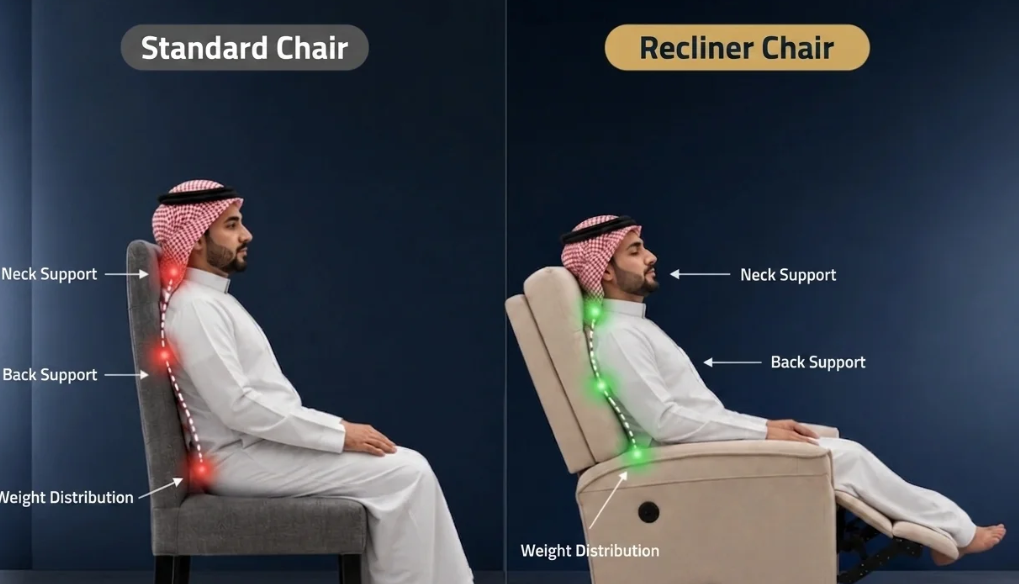
benefits of recliner chair
The benefits of recliner chair extend far beyond simple relaxation, offering comprehensive body support and relieving stress on joints ...
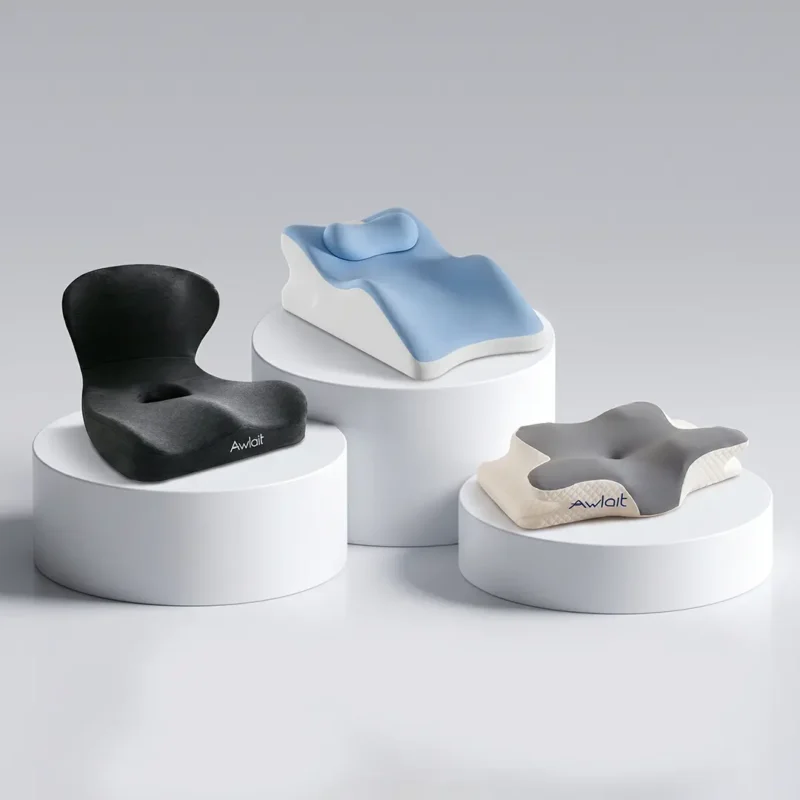
Best Memory Foam Pillows in 2026
The best memory foam pillows are engineered to provide superior cervical support by adapting to the unique contours of your head and ne...
Best Type of Pillow for Neck Pain: Orthopedic Guide by Sleep Position
Finding the best type of pillow for neck pain requires matching your sleep position with the correct loft and material. A misaligned ce...
Best Pillow for Sleeping in 2026
Finding the best pillow for sleeping is essential for maintaining spinal health and ensuring restorative rest throughout the night. You...
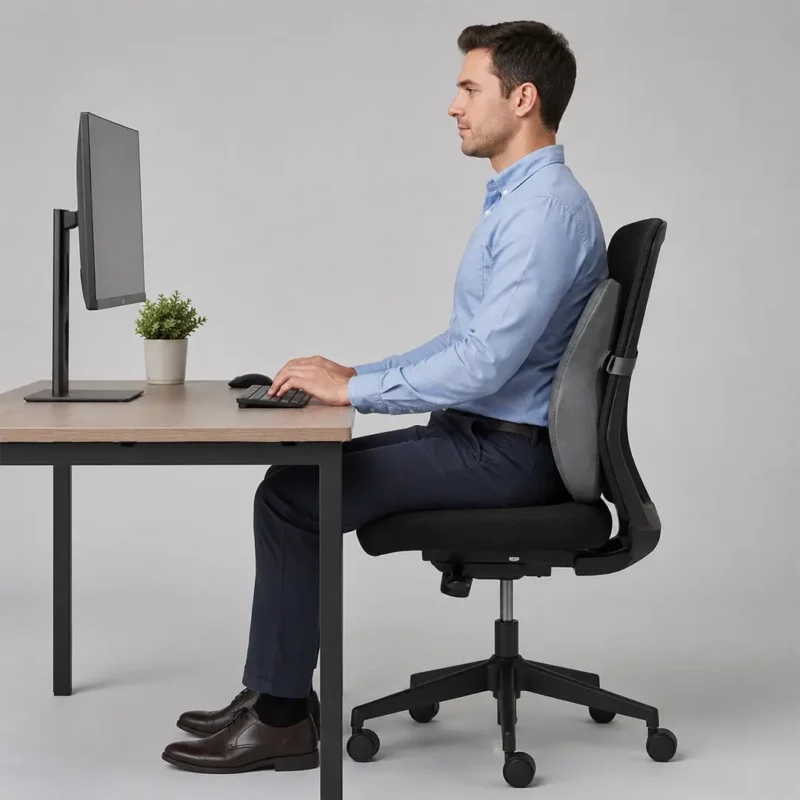
Correct Sitting Posture in Front of Computer
Maintaining correct sitting posture in front of computer screens is absolutely essential to prevent chronic musculoskeletal disorders a...
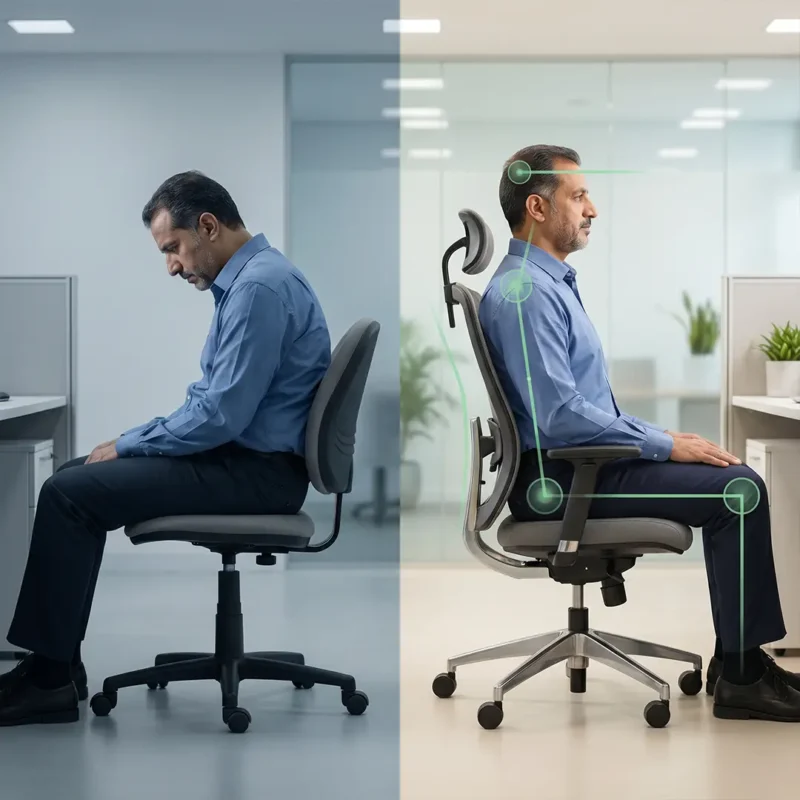
Proper Sitting Posture: How to Sit Correctly for Better Back Health
Proper sitting posture is the simplest way to reduce strain when you work, study, or relax for long hours. It means aligning your feet,...