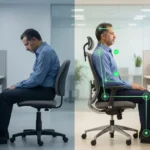
Finding a way to learn how to relieve tailbone pain while sitting is essential for anyone suffering from coccydynia. This sharp, localized discomfort can turn daily office work or long commutes into a painful ordeal. Fortunately, managing this condition involves a combination of ergonomic adjustments and specialized support. By using the right cushions and correcting your posture, you can significantly reduce mechanical pressure on your spine. This comprehensive guide explores seven proven methods to provide you with immediate relief today.
What Is Tailbone Pain and Why Does Sitting Make It Worse?
Tailbone pain, medically referred to as coccydynia, is an inflammatory condition affecting the small triangular structure at the base of your spinal column. While the coccyx is small, its role in supporting your body while seated is massive. Understanding the mechanics of this pain is the first step toward effective management and long-term recovery.
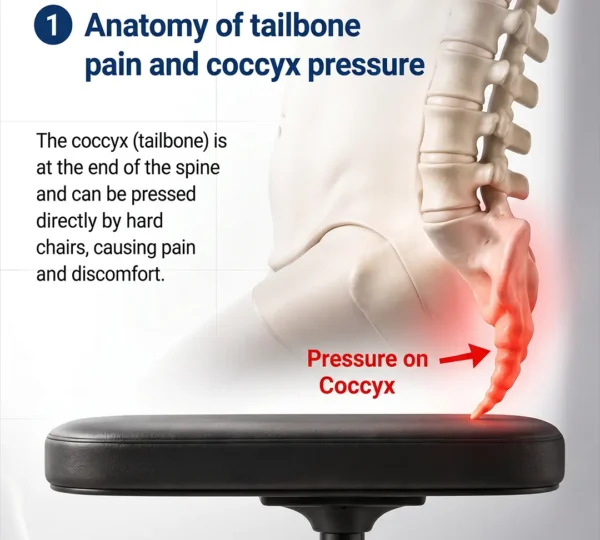
The anatomy behind coccyx pressure
The human body is designed to distribute weight through the “sitting bones” (ischial tuberosities). However, poor posture or anatomical variations often cause the weight to shift backward directly onto the coccyx. This shift is problematic because the tailbone is not meant to be a primary weight-bearing structure.
Biomechanical research indicates that the mechanical load on the coccyx increases by 3 to 5 times when moving from a standing to a sitting position. On a standard flat chair, the tailbone is compressed between the seat surface and your internal structures. Using a specialized coccyx cushion creates a “floating” environment, redirecting that force away from the sensitive nerves.
Common causes — from falls to office chairs
Coccydynia rarely happens without a trigger. Identifying your specific cause helps in selecting the right coccyx pain treatment protocol. Common contributors include:
Acute Trauma: Direct falls onto the buttocks or repetitive strain from cycling.
Childbirth: The ligaments around the coccyx can stretch or tear during delivery.
Sedentary Lifestyle: Prolonged sitting on poorly designed office chairs creates micro-trauma.
Body Mass Index (BMI): Both high weight (excessive pressure) and low weight (lack of natural padding) can trigger inflammation.
Best Pillow to Relieve Tailbone Pain: How to Choose the Right Coccyx Cushion
Understanding how to relieve tailbone pain while sitting requires more than just a soft surface; it requires a scientific approach to weight distribution. Not all cushions are created equal, and choosing the wrong one can actually exacerbate the inflammation by causing your pelvis to sink into an unstable position.
5 technical criteria for a coccyx cushion
When searching for a pillow for tailbone pain, look for these five specific engineering standards to ensure long-term relief:
Core Density: Aim for 50D high-density memory foam. This ensures the cushion supports your weight without “bottoming out” against the hard chair.
Anatomical Cutout: A true coccyx cushion must have a rear cutout that is wide enough to ensure the tailbone is completely suspended in the air.
Contoured Surface: The top should have a gentle slope to encourage a forward pelvic tilt, which naturally offloads the lower spine.
Breathable Cover: Since heat can increase inflammation, a mesh or breathable fabric cover is essential for temperature regulation during long hours.
Anti-Slip Bottom: Stability is key; the cushion should not slide, as sudden movements can cause sharp jolts of pain.
Awlait vs generic cushions
Many generic options use low-grade foam that loses its shape within weeks. In contrast, specialized brands focus on medical-grade materials that provide consistent coccyx pain relief over time.
Feature
Generic Foam Pillow
Awlait Coccyx Cushion
Material Density
20D – 30D (Soft)
50D (High-Response)
Shape Retention
1–3 Months
2+ Years Guarantee
Relief Target
General Softness
Targeted Coccyx Offloading
Cover
Polyester / Cotton
Cooling Mesh / Removable
Keyword Target
pillow for tail bone pain
special pillow for tailbone pain
Tailbone Pain Relief Exercises: 3 Stretches That Actually Work
While a pillow to relieve tailbone pain handles the external pressure, targeted exercises address the internal muscle tension. The muscles surrounding the coccyx, such as the piriformis and pelvic floor, often tighten in response to pain, creating a cycle of discomfort.
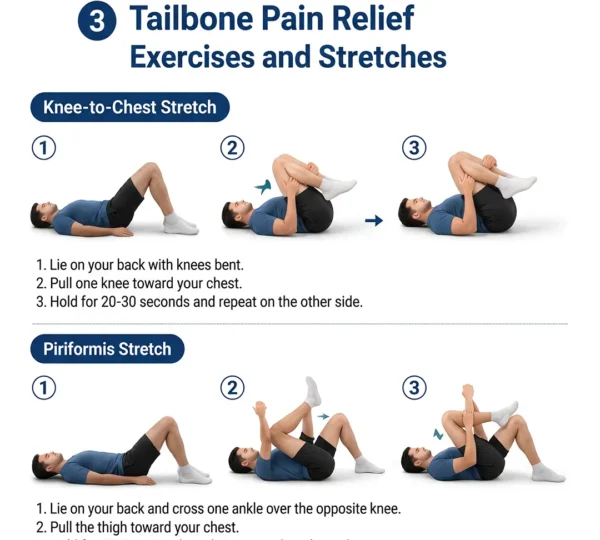
Knee-to-Chest Stretch: Lie on your back and gently pull one knee toward your chest. Hold for 30 seconds and repeat on the other side. This elongates the gluteal muscles.
Piriformis Stretch: While lying down, cross one ankle over the opposite knee and gently pull the bottom leg toward you. This releases deep hip tension that contributes to coccyx pain treatment.
Pelvic Tilts: While standing or lying down, gently tuck your tailbone under and then release. This promotes blood flow and flexibility in the sacroiliac region.
Note: If you suspect a fracture after a fall, avoid these exercises until cleared by a professional to safely relieve tailbone pain.
Coccyx Pain Treatment: When Home Remedies Aren’t Enough
Most cases of coccydynia are managed successfully at home. According to statistics from the Cleveland Clinic, approximately 90% of patients find a total resolution of symptoms using conservative methods like cushions and stretches without needing surgery.
Conservative → medical escalation path
If your pain persists beyond six weeks despite using a pillow for coccyx pain, your doctor may suggest a graded medical approach. This typically starts with physical therapy focused on pelvic floor relaxation. If physical therapy isn’t enough, local nerve blocks or corticosteroid injections can provide significant temporary relief. Surgical removal of the coccyx (coccygectomy) is rare and reserved only for the most chronic, non-responsive cases.
Red flags — when to see a doctor immediately
While most tailbone pain is mechanical, some symptoms require urgent medical evaluation. See a specialist if you experience:
Sudden numbness in the groin or legs.
Unexplained fever over 39°C accompanied by localized swelling.
Significant changes in bowel or bladder control.
Pain that is progressively worsening despite rest.
Tailbone Pain After a Fall, During Pregnancy
Women are biologically more susceptible to coccydynia due to a broader pelvic structure, which places more direct pressure on the coccyx. Additionally, pregnancy triggers the release of “relaxin,” a hormone that softens ligaments, making the tailbone more mobile and prone to irritation.
For postpartum recovery, using a Multi Position Pillow can help support the hips and lower back during nursing or resting. If your pain started after a direct fall, the priority is to rule out a fracture. Once a fracture is excluded, following an offloading protocol with a specialized seat is the fastest way to recovery.
How to Set Up Your Workspace to Prevent Tailbone Pain While Sitting
Your desk environment plays a massive role in your recovery. A comprehensive strategy on how to relieve tailbone pain while sitting must include a workspace audit. Ensure your monitor is at eye level to prevent slouching, as leaning forward or hunching puts immense stress on the base of your spine.
Your hips should be slightly higher than your knees, and your feet should rest flat on the floor or a footrest. If you spend significant time driving, using a Back Support for Car in addition to your seat cushion can prevent the vibration of the road from aggravating your condition. This dual-support system ensures that whether you are at the office or on the road, your spine remains in a neutral, pain-free alignment.
Sitting Surface
Pressure Level
Tailbone Impact
Hard Wood/Plastic
Extremely High
Direct Compression
Standard Office Foam
Medium
Gradual Sinking / Bottoming out
Awlait U-Cushion
Minimal
Total Offloading (Suspended)
How to Relieve Tailbone Pain While Sitting: 7 Immediate Methods
If you are currently struggling with discomfort, you need a protocol that works instantly. Here is a breakdown of seven proven strategies to manage your symptoms and prevent further irritation.
Use a coccyx cushion (U-shape vs donut)
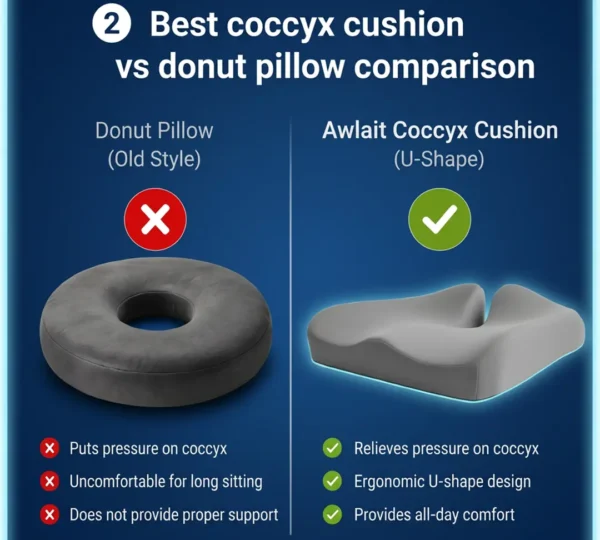
The most critical tool in your arsenal is a specialized pillow to relieve tailbone pain. Traditionally, people used donut-shaped pillows, but modern ergonomics favors the U-shape. The U-shaped cutout ensures the coccyx never touches the seat, whereas donut pillows can sometimes increase pressure on the surrounding pelvic floor.
Quality matters when choosing a special pillow for tailbone pain. Awlait cushions use 50D high-density memory foam, which provides the necessary “push-back” to keep you elevated. Unlike generic options that flatten within weeks, these are designed with a 2-year shape-retention guarantee, ensuring your tailbone remains suspended.
Adjust sitting posture (forward tilt 10–15°)
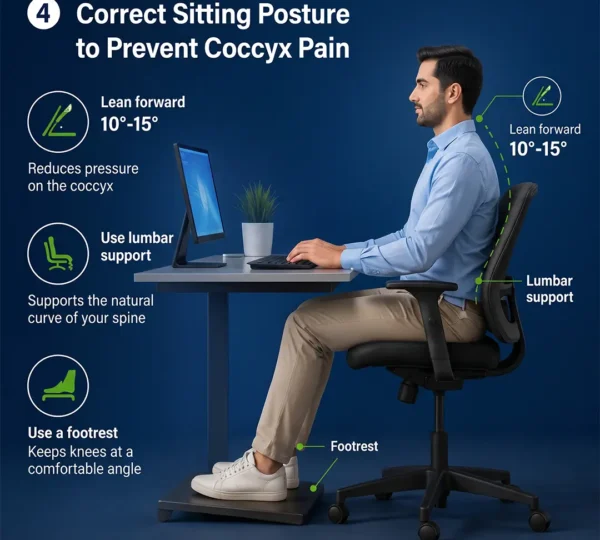
Posture is the second pillar of relief. Most people lean back when in pain, which actually puts more weight on the tailbone. Instead, try tilting your pelvis forward by about 10 to 15 degrees. This shifts the weight back onto your sitting bones and thighs.
To maintain this position comfortably, consider using a Back Support Cushion. This helps preserve the natural curve of your lower spine, making it easier to maintain the forward tilt without straining your muscles.
Ice first, heat after 48 hours
For new or acute pain, apply an ice pack for 15 minutes, three times a day. Cold therapy reduces inflammation and numbs the sharp pain. After the initial 48-hour inflammatory phase, you can switch to heat therapy to relax the surrounding muscles that may have gone into spasm.
(NSAIDs, breaks, footrest, and lumbar support)
Movement Breaks: Set a timer for every 30 minutes. Standing up for even 60 seconds allows blood flow to return to the compressed tissues.
Footrests: Using a footrest helps keep your hips at a slightly higher angle than your knees, facilitating that essential pelvic tilt.
Lumbar Support: Ensure your chair has adequate lower back support to prevent slouching, which is a primary trigger for how to relieve tailbone pain from sitting.
Anti-inflammatories: Over-the-counter NSAIDs can manage the chemical side of inflammation while you work on the mechanical side.
Clinical Insight: The Mechanics of Pressure Offloading
From a biomechanical perspective, the most effective way to address coccydynia is through a concept called “mechanical decompression.” When you use a high-density, U-shaped seat, you are not just sitting on a “soft” surface; you are fundamentally changing the physics of your seated posture. By creating a void directly beneath the coccyx, you transfer the gravitational load to the ischial tuberosities and the fleshy parts of the thighs. This is the gold standard for how to relieve tailbone pain while sitting because it stops the cycle of micro-trauma, allowing the inflamed ligaments to finally enter the remodeling phase of healing.
Pelvic Floor Relaxation: The Mayo Protocol
Chronic tailbone pain often leads to “secondary guarding,” where the pelvic floor muscles stay in a state of constant contraction. To break this cycle, clinicians recommend the Mayo Protocol for pelvic floor relaxation. Lie in a “happy baby” pose or a deep squat (supported) for 2–3 minutes while practicing diaphragmatic breathing. Imagine the sitting bones widening with every inhale. This technique, combined with a coccyx cushion, targets the internal tension that physical therapy alone might miss.
Frequently Asked Questions About Tailbone Pain Relief
Managing tailbone discomfort often brings up specific questions about long-term care and underlying causes. Below are the most common inquiries regarding how to relieve tailbone pain while sitting and the biological factors involved.
How do I stop my tailbone from hurting when I sit?
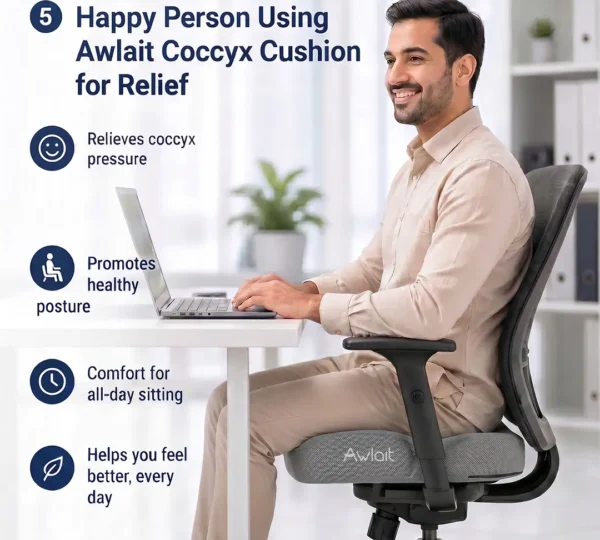
The most immediate solution for how to relieve tailbone pain while sitting is to remove the direct contact between your tailbone and the chair. Using an Awlait coccyx cushion ensures the bone remains suspended. Additionally, leaning slightly forward (10–15 degrees) shifts your weight onto the sitting bones, which are naturally designed to handle the pressure.
What vitamin deficiency causes tailbone pain?
While most coccyx pain is mechanical, deficiencies in Vitamin D3, Calcium, and Magnesium can weaken bone density and slow down ligament repair. Low levels of Vitamin B12 have also been linked to heightened nerve sensitivity, which can make minor tailbone inflammation feel significantly more intense.
How did I cured my tailbone pain?
Recovery narratives almost always involve a “multi-modal” approach. Most individuals who successfully cured their pain report a combination of using a high-density coccyx cushion for all seated activities (including driving), performing daily piriformis stretches, and strictly avoiding hard surfaces for at least 4 to 6 weeks to allow the inflammation to subside completely.
What triggers tailbone pain?
The primary triggers include direct trauma (falls), prolonged sitting on hard or poorly cushioned chairs, and pregnancy. However, “micro-trauma” from slouching—which forces the coccyx to bear weight instead of the sitting bones—is the most common hidden trigger in office workers.
Your 7-Day Tailbone Pain Relief Plan
If you follow a structured protocol, you can expect to see a significant reduction in discomfort within the first week. This exclusive timeline is designed to provide you with the most effective strategy for how to relieve tailbone pain while sitting.
Phase
Days
Action Plan
Goal
1: Decompression
Day 1–2
Switch to an Awlait coccyx cushion; Apply ice 3x daily.
Arrest acute inflammation.
2: Mobilization
Day 3–5
Begin the 3 stretches (Piriformis/Knee-to-chest); Switch to heat.
While nerve endings in the coccyx are sensitive, most people experience a 40-60% reduction in pain within the first 7 days of using a specialized pillow to relieve tailbone pain. Complete healing of the ligaments typically takes 4 to 8 weeks, provided the mechanical pressure is consistently removed.
Learning how to relieve tailbone pain while sitting is a journey of small, consistent adjustments. By combining the technical support of an Awlait coccyx cushion with proper ergonomic setup and targeted stretching, you can reclaim your productivity and comfort. Don’t let a hard chair dictate your quality of life.

 Finding a way to learn how to relieve tailbone pain while sitting is essential for anyone suffering from coccydynia. This sharp, localized discomfort can turn daily office work or long commutes into a painful ordeal. Fortunately, managing this condition involves a combination of ergonomic adjustments and specialized support. By using the right cushions and correcting your posture, you can significantly reduce mechanical pressure on your spine. This comprehensive guide explores seven proven methods to provide you with immediate relief today.